


INP-WealthPk
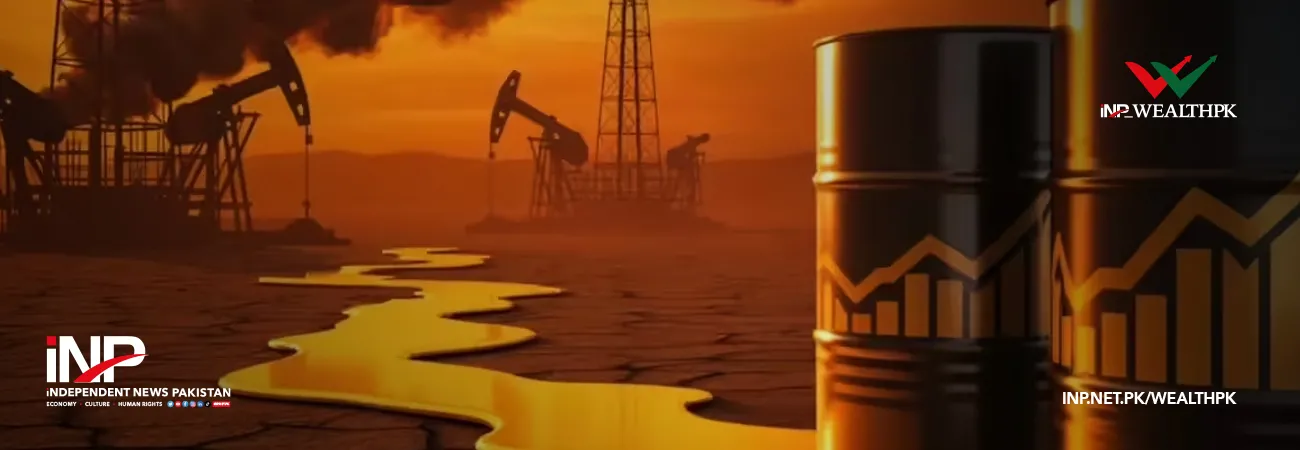
Oil surge above $100 heightens pressure on Pakistan’s economy, energy strategy
April 29, 2026
By Qudsia Bano
A sharp surge in global oil prices amid escalating geopolitical tensions is forcing Pakistan and other energy-importing economies to reassess their energy strategies, as rising fuel costs threaten growth, inflation stability and external balances.
International benchmark crude prices have crossed the $100 per barrel mark in recent weeks, driven by supply disruptions linked to tensions in the Middle East and uncertainty over the Strait of Hormuz, which carries nearly 20 per cent of global oil trade. The spike has intensified volatility in energy markets and raised concerns about sustained supply-side pressures.
According to estimates by the International Monetary Fund, a 10 per cent increase in oil prices can push global inflation higher by around 0.4 percentage points while dampening overall economic output. With crude prices remaining elevated, global growth projections for 2026 have already been revised downward to approximately 2.5 per cent.
For Pakistan, the implications are particularly significant. The country relies heavily on imported fuel, with petroleum products forming a major share of its import bill. In recent years, Pakistan’s annual oil import bill has ranged between $15 billion and $20 billion, making it highly vulnerable to external price shocks. A sustained rise in oil prices is expected to widen the current account deficit, accelerate inflation and increase pressure on foreign exchange reserves.
Domestic fuel prices typically track global benchmarks, so international spikes quickly translate into higher transportation and production costs across the economy. This, in turn, affects key sectors such as manufacturing, agriculture and logistics, complicating overall economic management.
However, analysts believe the current shock also presents an opportunity to accelerate structural reforms in Pakistan’s energy sector. The rising cost of imported fuel is expected to strengthen the case for diversifying the energy mix and reducing long-term dependence on external sources.
Aamir Bashir, an energy analyst at K-Electric, said the ongoing oil shock exposes long-standing vulnerabilities in Pakistan’s energy framework. Repeated cycles of global price increases, he noted, have consistently strained the external account, underscoring the need for a more resilient and self-sufficient energy model.
Pakistan, he said, has significant untapped potential in renewable energy, particularly solar and wind, which could help reduce reliance on imported fuels over time. Scaling up renewable capacity and improving grid integration would not only stabilise energy costs but also enhance long-term economic sustainability.
Sadia Khan, an operations specialist at Pakistan State Oil, said the immediate impact of rising global oil prices is already visible in domestic fuel pricing and supply chain costs. Oil marketing companies, she explained, are directly affected by fluctuations in international markets, which influence procurement costs and pricing structures.
While short-term policy measures can help manage price volatility, she noted that long-term resilience will depend on strengthening local refining capacity and storage infrastructure. Improving supply chain efficiency and investing in alternative energy solutions will be critical for reducing exposure to global market shocks.
Economists say the current energy shock reflects a broader trend of rising volatility in global commodity markets, driven by geopolitical tensions and shifting supply dynamics. Countries that invest in diversified and resilient energy systems are likely to be better positioned to manage future disruptions.
For Pakistan, the surge in global oil prices presents both immediate economic challenges and a strategic inflection point. While the pressure on inflation and external accounts is significant, the situation also reinforces the urgency of long-delayed energy reforms aimed at building a more sustainable and secure energy framework.
Credit: INP-WealthPk