

آئی این پی ویلتھ پی کے
Study identifies KP as core zone for Pakistan’s tea industry
December 13, 2025
Azeem Ahmed Khan
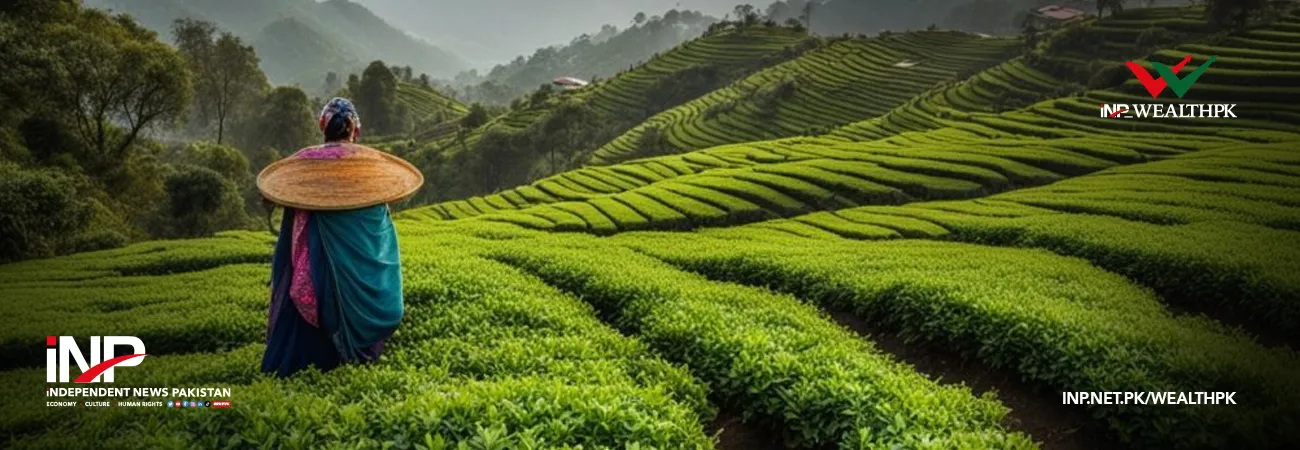
The Khyber Pakhtunkhwa (KP) province has been formally identified as the country’s primary tea-growing zone, with 31 existing smallholders and 1,026 acres of surveyed cluster sites mapped for expansion, according to a strategy document prepared under the FAO Technical Cooperation Programme. The document, available with Wealth Pakistan, notes that KP’s Hazara region, particularly Mansehra district, possesses the most favourable combination of terrain, soil profile, rainfall patterns and land configuration necessary for high-value tea cultivation.
Unlike other areas of Pakistan, KP already has a community of smallholder growers who planted tea in earlier decades and still have mature bushes that can be rehabilitated for renewed production. According to the report, 31 smallholders continue to maintain tea fields of less than five acres each. However, many of these plots require substantial infilling and technical support to achieve commercial productivity.
The strategy identifies these farms as essential demonstration sites for Phase-1 of Pakistan’s tea development programme, given their long-standing presence and suitability for rapid revitalisation. In addition to the smallholders, technical surveys conducted under the programme mapped 10 contiguous cluster sites in Mansehra district covering approximately 1,026 acres.
These cluster blocks, each exceeding 20 acres under single ownership, meet the key criteria for tea cultivation: marginal sloped land not competing with annual crops, soil pH between 4.5 and 6, adequate soil depth, and reliable access to natural or irrigated water sources. The report specifies that cluster models offer an efficient starting point for scaling up plantations because they allow centralised management, mechanised field activities where appropriate, and more organised input distribution.
They also make it possible to establish leaf-collection systems early, linked to nearby processing units. Beyond smallholder and cluster farms, the strategy categorises larger plantation-model opportunities on state-owned or forest lands of 100 acres or more. These plantation blocks are expected to play a role in later phases of expansion, once nursery capacity, extension services and processing infrastructure have matured enough to support larger-scale operations.
The document notes that KP’s topography gives it a comparative advantage in the production of orthodox and specialty teas, which rely on cooler climates and slower leaf growth. These conditions—common in Mansehra and nearby areas—differ from those in tropical CTC-producing regions. As a result, Pakistan’s tea strategy emphasises the development of high-value orthodox and specialty varieties rather than mass-market CTC teas.
According to the document, the mapping of tea-suitable areas in KP provides the foundation for the first 600-acre expansion target under Phase-1 (2025–2030). Of this, a significant portion will come from rehabilitating existing smallholder plots and activating the surveyed cluster sites. The report stresses that long-term expansion will depend on resolving land ownership complexities, ensuring stable lease arrangements, and preventing future disputes arising from inheritance or local land fragmentation.
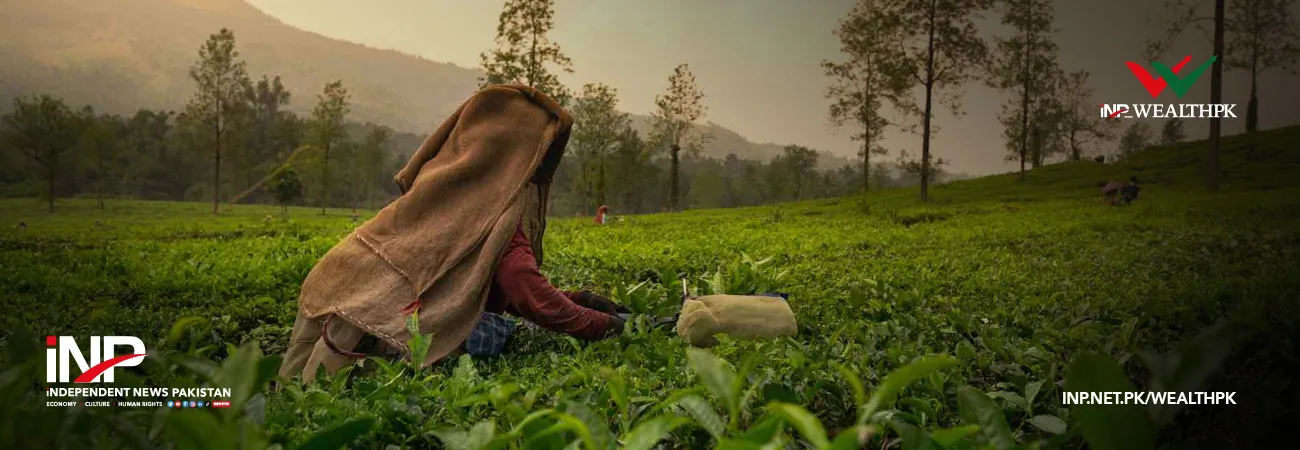
The document recommends using only land parcels with clear title, enforceable contracts and secure long-term agreements. The strategy further highlights KP’s socio-economic suitability for tea development. Tea harvesting is labour-intensive and globally dominated by women, creating income opportunities in rural areas where limited employment alternatives exist. The document adds that KP’s existing tourism potential—particularly in Hazara—can be linked with tea routes, plantations and processing centres to create additional revenue streams for communities.
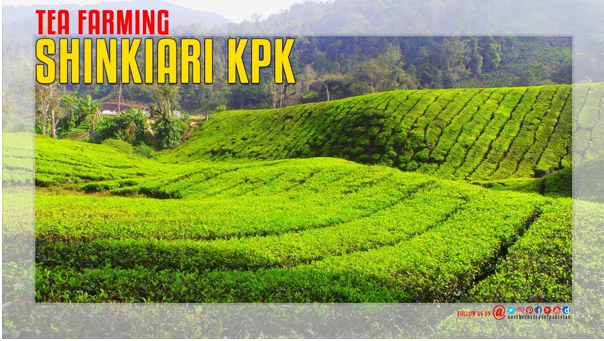
Credit: INP-WealthPk
متعلقہ مضامین