


i NEWS PAK-CHINA

Pakistan Pavilion in Wuhan opens new export gateway to ChinaBreaking
April 26, 2026
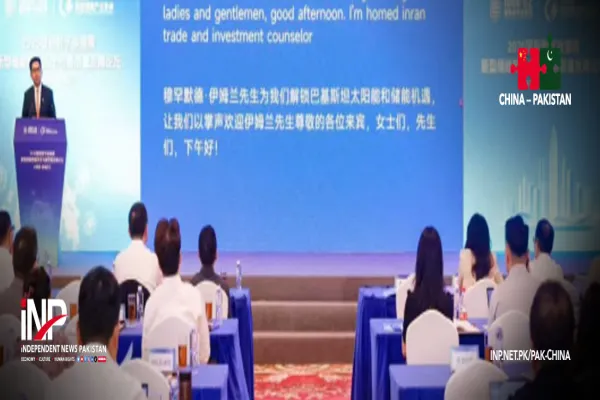
Inside the Pakistan National Pavilion at the Wuhan Financial Holdings Central China Trade Service Zone, two live-streamers sit before a display of gemstones and jewelry, pitching their sparkle to online viewers across China.
Their rapid-fire Mandarin sales talk reflects a broader ambition: to turn Pakistan’s niche exports into mainstream products for Chinese consumers, China Economic Net (CEN) reported on Sunday
The scene captures a shift in how trade between the two countries is evolving from infrastructure-led cooperation toward consumer-driven commerce, powered by e-commerce and institutional platforms.
For members of a visiting Pakistani delegation, the pavilion offered both inspiration and a reality check.
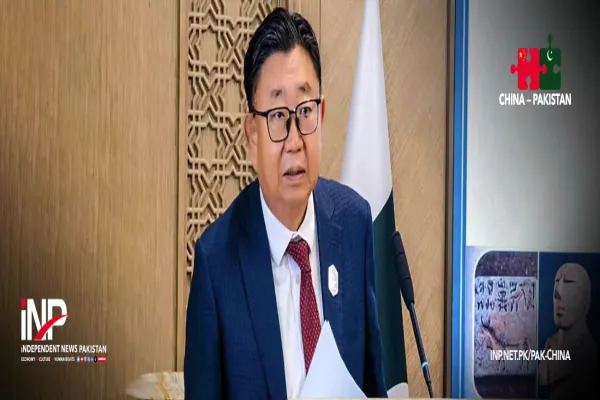
“This is a great experience, a world-level platform for us,” said Mir Salam Khan Jogezai, a delegate from Balochistan, during an interview with China Economic Net.
Surrounded by displays of minerals, handicrafts and food products from Pakistan, Mir highlighted, “We have quality products and this platform opens the door for valuable trade orders”.
“I will return to my province and encourage the business community to take full advantage of this platform. This is a major channel for us to enter the Chinese market,” he added.
Xie Jiangang, Vice President of Wuhan Yangluo Port Service Company, noted that the pavilion’s core value goes far beyond product display. It delivers full-chain market integration.
“Our key advantage is that we assist overseas exporters in completing official product registration and market access procedures.
Without these formalities, commodities cannot legally enter China,” Xie explained. Regulatory barriers have long been a major obstacle for Pakistani exporters, especially in food, cosmetics and consumer goods.
The platform also offers comprehensive end-to-end support, from market access certification to sales and distribution. “Once exporters join us, we help them locate target markets, develop sales channels and promote products,” he added.
A third unique strength is the integrated “national pavilion” model, which combines exhibition, retail and real-time market feedback.
“We collect and share consumer and market data, enabling Pakistani suppliers to adjust and optimize their products to better match the preferences of Chinese buyers,” Xie noted.
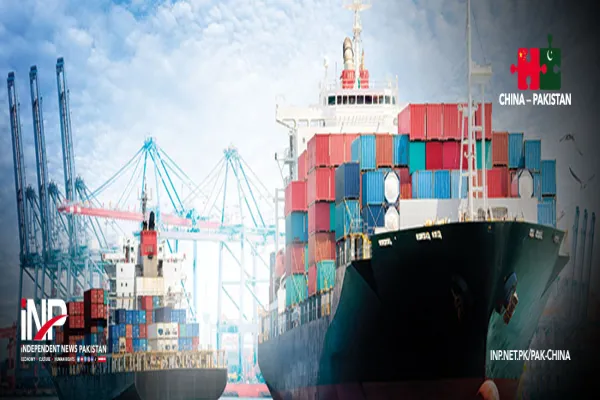
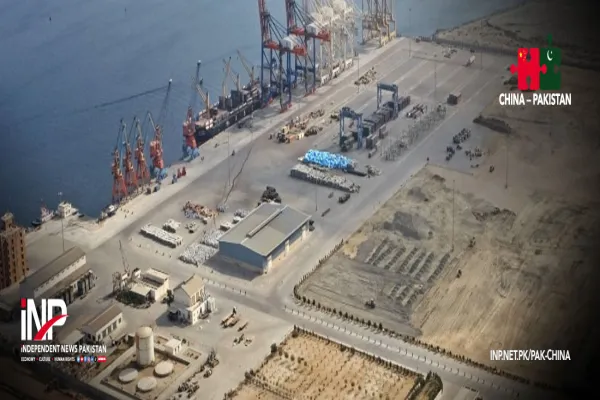
Adjacent to the Belt and Road Pavilion lies Yangluo Port, a strategic hub serving the middle and upper reaches of the Yangtze River.
With the port’s strong backing, the Pakistan Pavilion enjoys reliable support in logistics, customs clearance and large-scale trade operations, forming a stable and efficient channel for foreign goods to enter the Chinese market.
"This is a great opportunity for businesses worldwide thanks to the favorable business environment. It now depends on each country how they value this chance and promote their products," said Javaid Iqbal, President of the National Institute of Maritime Affairs of Pakistan.
Building on this solid logistics foundation, digital tools have become central to linking Pakistani products with Chinese consumers.
Muhammad Haris, the pavilion’s curator, highlighted the power of China’s e-commerce platforms. “Douyin (Tiktok) is an effective channel, with just one platform, we can reach consumers across the entire country,” he said.
Live-stream commerce has already generated impressive results. “During peak promotional periods, our monthly online sales can reach several million yuan,” Haris revealed.
However, the categories of Pakistani products are still limited at the pavilion. Haris said Chinese consumers increasingly prefer natural products.
“Pakistani products have great potential in this niche market, as we have many brands for natural shampoos and skincare items,” he said.
Haris is determined to introduce more Pakistani flagship products to China, including rose essential oil, olive oil, saffron, and mangoes, all sectors where Pakistan enjoys clear comparative advantages.
Official trade data highlights the strong growth momentum. In the first quarter of this year, Pakistan’s exports to China rose nearly 45% year-on-year to more than $927 million, driven largely by minerals and agricultural goods.
The challenge, analysts say, is moving up the value chain and diversifying into branded consumer goods, precisely the niche the Wuhan pavilion aims to develop.
For Mir, the visit to Wuhan reinforced a simple conclusion: “If we use this platform well, we can bring more Pakistani products here, and grow together, " CEN added.
Credit: Independent News Pakistan (INP) — Pak-China
Related News