


i INP-WEALTHPK
Pakistan eyes East Africa trade access via proposed maritime link with DjiboutiBreaking
April 29, 2026
By Qudsia Bano
Pakistan’s proposed trilateral maritime collaboration with Ethiopia and Djibouti is viewed as a strategic move to integrate the country into emerging global trade corridors linking Asia with Africa, offering new export opportunities and improving logistical connectivity.
The initiative comes at a time when global trade is increasingly shifting toward South-South routes, particularly between Asia and Africa. Under the proposed framework, Pakistan aims to establish a structured maritime link through Djibouti, a key logistics hub in East Africa. Officials said such connectivity would help streamline cargo movement, reduce transit times, and provide Pakistani exporters with more direct access to African markets.
Djibouti holds significant strategic value in global shipping, serving as the primary maritime gateway for Ethiopia, a country of over 120 million people that depends on Djibouti’s ports for the bulk of its external trade. The corridor remains one of the most active trade routes in the Horn of Africa, handling a dominant share of regional imports and exports.
Pakistan’s engagement with this route is part of a broader plan launched in 2025 to establish direct shipping links between Karachi and Djibouti. The move is expected to reduce freight costs and improve delivery timelines, enhancing the competitiveness of Pakistani goods in African markets.
The East African Community, which Pakistan is targeting through this initiative, represents a rapidly growing market of more than 500 million people, with a combined economic output estimated at around $600 billion. Demand across the region is rising for products such as textiles, pharmaceuticals, agricultural goods, and light manufacturing items — sectors where Pakistan already maintains export capacity.
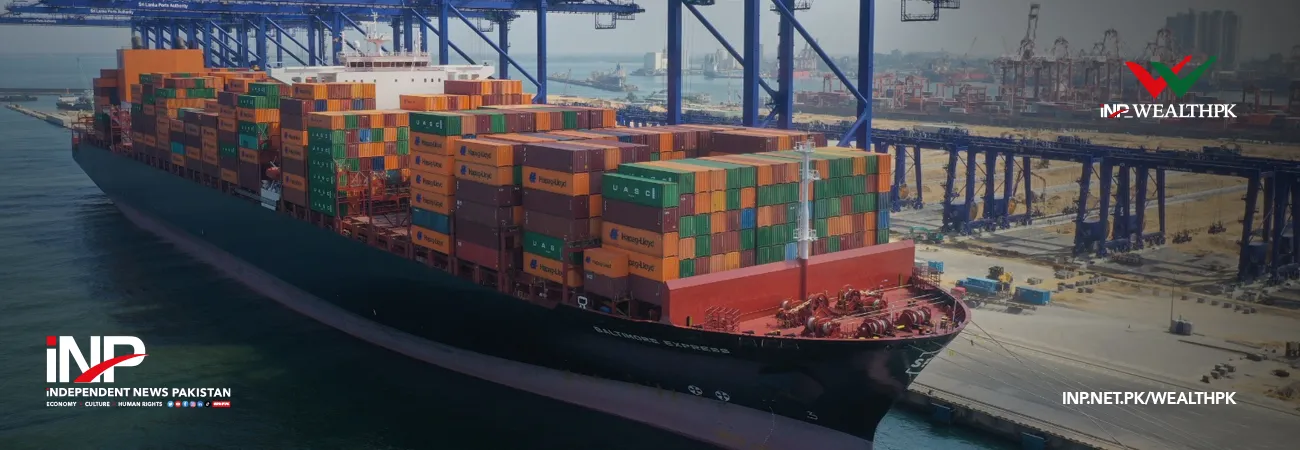
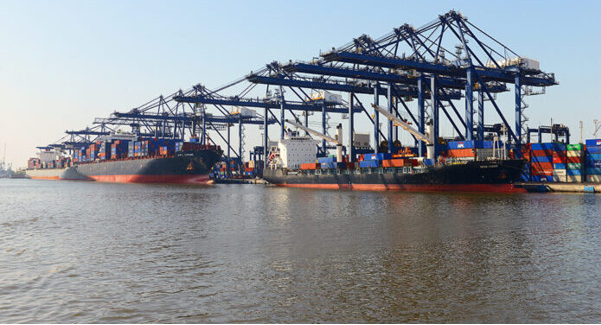
Recent improvements in Pakistan’s port performance and cargo handling capacity are also supporting this strategy. Officials report increased throughput and operational efficiency at major ports, strengthening the country’s ability to handle higher trade volumes and participate more effectively in international logistics networks.
Muhammad Asif, former Senior Officer Policy at the Ministry of Maritime Affairs, said the proposed collaboration reflects a shift in how countries are rethinking trade connectivity in response to global supply chain disruptions. He noted that reliance on traditional routes is increasingly being challenged, prompting countries to explore alternative corridors that offer greater reliability and cost efficiency.
He added that direct access to East Africa through Djibouti could help reduce reliance on intermediary hubs, allowing exporters to reach new markets more efficiently. According to him, consistent shipping routes and predictable logistics frameworks would be critical in enabling Pakistani businesses to scale exports in a competitive global environment.
Muhammad Fahad, Research Officer at the Ministry of Maritime Affairs, said the initiative could also help Pakistan position itself as a regional trade facilitator rather than just a supplier of goods. He explained that improved connectivity would not only benefit exporters but also enhance the country’s role in transshipment and regional logistics.
He further noted that African economies are experiencing steady growth in infrastructure and consumption, driving demand for imported goods. However, he emphasised that Pakistan would need to ensure efficient customs procedures, port digitisation, and policy continuity to fully capitalise on the opportunity presented by the proposed maritime framework.
According to economists, the initiative aligns with Pakistan’s broader “Engage Africa” strategy, which seeks to diversify export markets and reduce reliance on traditional trading partners. As global trade patterns evolve and new corridors emerge, countries investing in connectivity and logistics integration are expected to gain a competitive advantage.
If implemented effectively, the proposed maritime collaboration could provide Pakistan with a more direct gateway to East African markets, expand its global trade footprint, and strengthen economic linkages with one of the fastest-growing regions in the world.
Credit: INP-WealthPk
Related News