i INP-WEALTHPK

Govt saves Rs10.5bn in FY26 through project cost rationalizationBreaking
April 29, 2026
By Farooq Awan
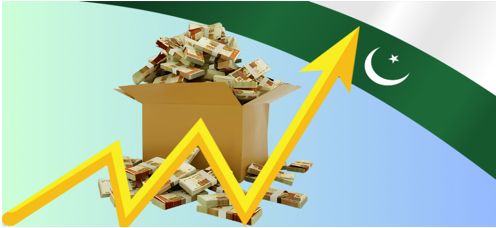
The government has achieved cumulative savings of over Rs10.5 billion during the current fiscal year through cost rationalization of development projects, reflecting efforts to improve efficiency and ensure optimal utilization of public resources.
According to the Monthly Development Update (April 2026) issued by the Ministry of Planning, Development and Special Initiatives, savings amounting to Rs10.514 billion were recorded during July-February FY2025-26, including Rs614 million saved in February alone.
The report noted that these savings were realized through a systematic and detailed scrutiny of development project proposals submitted by federal ministries, divisions, and provincial governments.
During the review process, non-essential and low-priority components of projects were identified and removed to enhance efficiency and ensure that public funds are directed toward high-impact interventions.
The document highlighted that this cost rationalization exercise is part of broader efforts to strengthen value-for-money in development spending and improve the overall quality of public investment.
It stated that the process reflects a structured approach to project evaluation, where proposals are carefully assessed to align them with national priorities and available fiscal space.
The Central Development Working Party (CDWP) plays a key role in this mechanism by reviewing project proposals and ensuring that only necessary and viable components are approved for implementation.
Through this process, project designs are streamlined, duplication is minimized, and unnecessary expenditures are avoided, contributing to more efficient allocation of scarce national resources.
The report emphasized that the government’s focus on cost rationalization is aimed at promoting results-oriented development by ensuring that each project delivers maximum economic and social benefits.
It further noted that such measures help improve transparency and accountability in the development process, while also enhancing the effectiveness of public spending.
By eliminating redundant expenditures, the savings generated through this exercise can be redirected toward priority sectors, supporting ongoing and high-impact development initiatives.
Overall, the report highlighted that cost rationalization has emerged as an important tool for strengthening fiscal discipline and improving development outcomes, particularly amid constrained resources and rising expenditure pressures.
Credit: INP-WealthPk
Related News