


INP-WealthPk
Value addition, global marketing to lift Pakistan’s salt exports to $200m
September 24, 2026
By Muhammad Luqman
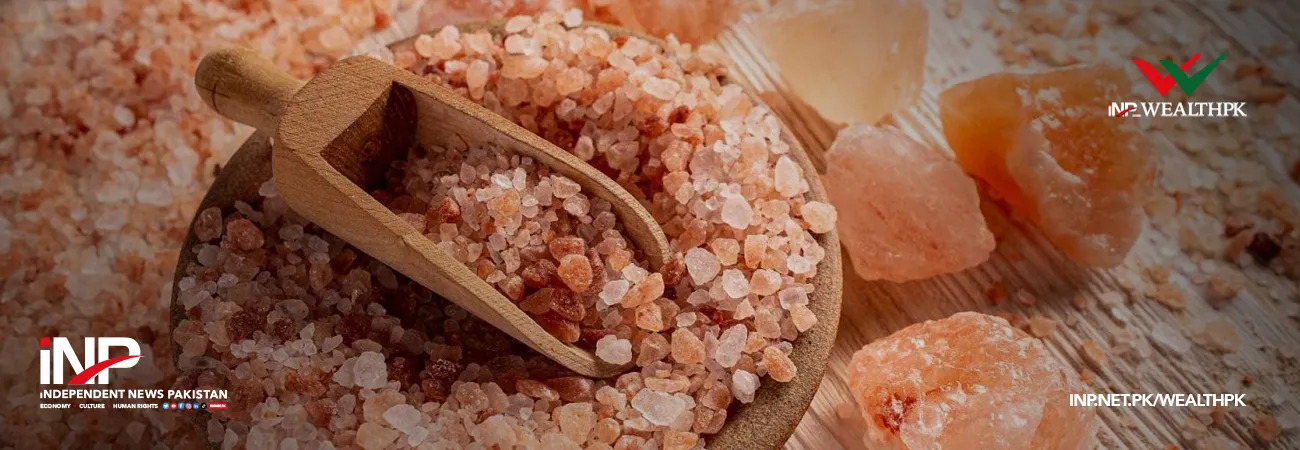
Pakistan’s salt exports, including Himalayan pink salt, have the potential to reach $200 million from the current level of around $80 million through stronger international marketing, branding and greater value addition, according to industry representatives.
Muhammad Ismail Suttar, Chairman of the Salt Manufacturers Association of Pakistan (SMAP), told Wealth Pakistan that the country exported around 250,000 tonnes of salt last year, while its annual export potential could reach as high as 800,000 tonnes.
Pakistan has more than 10 billion tonnes of salt reserves and produces approximately 4 million tonnes annually, providing a substantial resource base for expanding exports.
Suttar said the suspension of trade between India and Pakistan has helped prevent Pakistani salt from being marketed by India as its own commodity in international markets.
India, he said, is now procuring Pakistani pink salt through third countries such as Malaysia, mainly for domestic consumption.
“We also ensure that India does not sell pink salt in Western markets as its own product,” Suttar said.
Discussing the global salt market, he said annual production and consumption are broadly balanced at around 350 million tonnes.
Industries consume about 92% of salt produced globally, while the remaining 8% is used for food consumption, mostly as table salt, he said.
Within the industrial market, around 60% of salt is consumed by the chlor-alkali industry, which supplies inputs for a range of applications in the chemical, glass, paper, textile, water-treatment and construction industries.
The chlor-alkali sector primarily uses salt to produce caustic soda and soda ash, along with several by-products, including sodium hypochlorite. Associated industries include glass and PVC manufacturing.
“A similar pattern of salt consumption prevails in Pakistan, with most of the salt being consumed by four industrial units,” Suttar said.
He urged the government to accelerate efforts to secure Geographical Indication (GI) protection for Pakistani pink salt as Himalayan salt in international markets, saying it would help establish the product’s Pakistani origin and strengthen its global identity.
Suttar said salt is essentially a geographical product and is generally consumed relatively close to where it is produced because freight costs could exceed the value of the commodity.
“In Pakistan’s case, rock salt is consumed in Punjab and Khyber Pakhtunkhwa, while lake and sea salt is used in Sindh and Balochistan,” he explained.
He welcomed the Punjab government’s Pink Salt Value Addition Financing Scheme, aimed at promoting local industrialisation, increasing value-added exports and capitalising on the province’s mineral resources.
Industry representatives believe greater processing within Pakistan could substantially increase the export value of the country’s salt resources instead of relying primarily on shipments of the raw commodity.
Saquib Naveed, Chief Executive Officer of Jhelum-based Anaya Salt Craft, said Pakistan should not view pink salt simply as a commodity.
“The real opportunity lies in moving from bulk raw salt towards value-added products such as edible salts, grinders, seasoning salts, bath salts, spa products, salt lamps, candle holders, salt tiles, slabs, animal salt licks and other salt crafts,” he said.
Naveed said salt mines are located in the districts of Jhelum, Khushab and Mianwali, while salt-related manufacturing and value-addition activities have developed in several other parts of Punjab and Sindh.
“Salt craft units can be found around Jhelum, Chakwal, Lahore, Gujranwala, Sargodha and Karachi, depending on the type of product and manufacturing activity,” he said.
According to Naveed, Pakistan’s major markets for salt and salt-based products include Europe, North America and the Middle East, with demand covering both food and non-food value-added segments.
He said Pakistan has an opportunity to transform Himalayan pink salt into a much larger export industry, but achieving this requires a shift from exporting the mineral in bulk towards processing, manufacturing, branding and product innovation within the country.
Industry representatives said expanding value addition would allow Pakistan to capture a greater share of the final retail value of its salt rather than competing mainly as a supplier of a relatively low-value bulk commodity.
With substantial reserves and an established international identity for Himalayan pink salt, stronger branding, international marketing and domestic manufacturing could help Pakistan move towards the $200 million export potential identified by the industry.
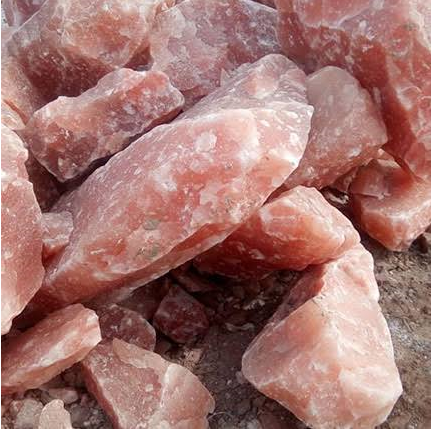
Credit: INP-WealthPk
Related Articles