INP-WealthPk
IWMB steps up biodiversity conservation in Margalla Hills
September 24, 2026
By Azeem Ahmed Khan
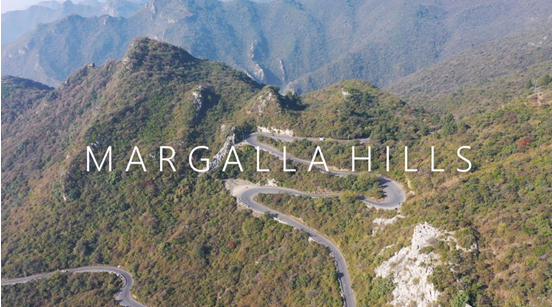
The Islamabad Wildlife Management Board (IWMB) is combining field patrols, scientific research, community awareness and wildlife rescue to strengthen the protection of Margalla Hills National Park and conserve wildlife and natural resources across the Islamabad Capital Territory.
According to documents of the Ministry of Climate Change and Environmental Coordination available with Wealth Pakistan, Margalla Hills National Park, the principal protected area managed by the IWMB, covers approximately 17,386 hectares, or 42,961 acres and supports significant biodiversity.
The park is home to more than 600 plant species, 38 mammal species, 350 bird species, 32 reptile species and nine amphibian species, highlighting the importance of its continued protection and conservation management.
Under the Islamabad Nature Conservation and Wildlife Management Act, 2024, the board is responsible for the protection, preservation, conservation and management of nature and wildlife in the Margalla Hills National Park. Its functions include implementing the law, preparing and implementing management plans, developing conservation projects, protecting wildlife, conducting research, coordinating with government agencies and stakeholders, and formulating regulations.
A major part of the board's work involves field protection and enforcement. The documents show that the IWMB conducts regular patrols and surveillance through four ranges and their respective blocks to protect wildlife and natural habitats.
Its enforcement activities target a range of threats, including hunting and poaching, illegal wildlife trade, woodcutting, encroachment, forest fires, pollution and the illegal killing or capture of wildlife.
The board has 45 sanctioned posts, of which 31 are filled and 14 remain vacant, including 26 wildlife guard posts, with 20 filled and six vacant.
Alongside enforcement, the IWMB is focusing on research to support better conservation and management decisions. The board undertakes scientific research on wildlife, biodiversity and ecosystems, collaborates with universities and research institutions, monitors wildlife and provides training and capacity-building. It also works on measures to reduce human-wildlife conflict.
Community engagement is another part of its conservation approach. The board conducts environmental education and awareness programmes and works with local communities, students, the media and other stakeholders to encourage responsible and sustainable practices around protected areas.
Wildlife rescue and rehabilitation remain a key operational responsibility. The IWMB assesses injured, sick and distressed animals and develops appropriate rescue and rehabilitation measures in coordination with veterinary clinics, wildlife hospitals and rehabilitation centres. According to the documents, 131 animals were under care at the Rescue Centre in August 2026.
The board’s institutional role brings together protected-area management, wildlife enforcement, biodiversity conservation, research, community engagement, public awareness and animal rescue to support the sustainable management of wildlife and natural resources in the federal capital.
Credit: INP-WealthPk
Related Articles