



INP-WealthPk

Trade deficit widens to $23.2bn as imports rise to $50.4bn, exports remain at $27.2bn
April 07, 2026
By Farooq Awan
Pakistan’s trade deficit in goods and services widened to $23.2 billion during Jul-Feb FY2026 as imports increased significantly while exports remained largely unchanged, according to the Monthly Economic Update and Outlook released by the Finance Division.
Total goods and services imports rose to $50.4 billion during the period, compared to $46.0 billion in the same period last year, reflecting higher demand for key commodities and inputs.
In contrast, total exports stood at $27.2 billion, slightly lower than the $27.4 billion recorded last year, indicating stagnation in export performance.
Goods exports amounted to $20.7 billion, with the textile sector remaining the primary contributor. However, overall export growth remained subdued due to a decline in food exports, particularly rice.
Within key export categories, knitwear posted a marginal increase of 0.4 percent, garments grew by 4.9 percent, and bedwear increased by 1.0 percent. These gains were not sufficient to offset the overall decline in total exports.
Services exports showed relatively stronger performance, mainly driven by IT services. IT exports increased by 19.7 percent to reach $3.0 billion during the period, contributing positively to the services account.
On the import side, the increase was driven by higher purchases of major commodities. Petroleum crude imports rose by 6.6 percent, while palm oil imports increased by 21.5 percent.
At the same time, imports of petroleum products declined by 6.2 percent, indicating some moderation in refined fuel imports.
Goods imports alone reached $41.8 billion during Jul-Feb FY2026, reflecting sustained demand for energy products, raw materials and consumer goods.
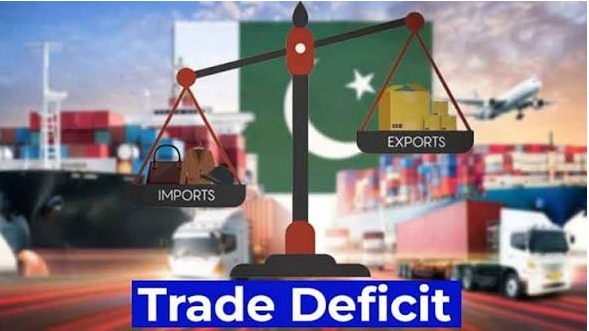
The widening trade deficit highlights the gap between rising import demand and relatively stagnant export growth during the fiscal year.
The report indicates that while certain export segments showed modest gains, overall export performance remained under pressure, particularly due to declines in key categories such as food exports.
At the same time, increasing imports, especially of essential commodities, contributed to the expansion of the trade deficit.
Overall, the trade balance during Jul-Feb FY2026 reflects continued external sector pressures, driven by higher imports and limited growth in exports.
Credit: INP-WealthPk