




i INP-WEALTHPK

Motorcycles, rickshaws should be prioritised in fuel quota rollout: ICMABreaking
April 07, 2026
By Moaaz Manzoor
Pakistan’s proposed mobile-app-based fuel quota system should prioritise motorcycles and rickshaws in its initial phase, as these vehicles dominate the transport mix and are most widely used by low- and middle-income households, according to the Institute of Cost and Management Accountants of Pakistan.
ICMA Pakistan noted that total petroleum consumption reached 13.17 million metric tonnes during July–March FY2025, with the transport sector accounting for about 80pc of overall fuel use. This, the report said, makes transport the central pressure point in any redesign of fuel subsidies.
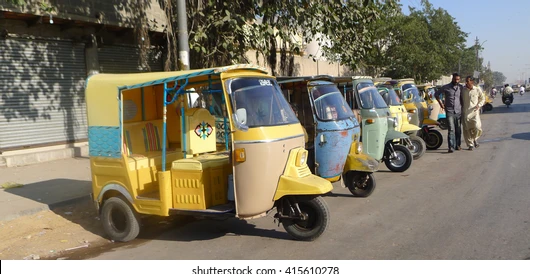
Within this mix, motorcycles and scooters account for around 78pc of registered vehicles, while rickshaws make up about 8pc. The report emphasised that these vehicles are essential for daily commuting, small business activity, and commercial mobility, particularly for lower-income users. It also observed that existing fuel subsidies tend to benefit private car owners and higher-income households more than the intended priority groups.
Against this backdrop, ICMA supported the government’s plan to begin the app-based quota system with motorcycles and rickshaws, before extending it to small cars up to 800 cc. It said a targeted approach can reduce inefficiencies, improve equity, and ensure subsidised fuel reaches those who depend on it the most.
To enhance fairness, the report recommended introducing tiered quota categories based on verified usage. These include essential service riders such as delivery workers and healthcare providers, commercial transport operators such as rickshaw and small taxi drivers, daily commuters, and occasional users with lower fuel needs. Such segmentation, it said, would align allocations more closely with actual consumption patterns.
The report also proposed a carry-forward mechanism, allowing unused quota to roll over within a defined period such as a week or a month. This would provide flexibility to users without increasing the overall subsidy burden.
To minimise exclusion, ICMA recommended incorporating USSD and SMS-based access for users without smartphones. It also called for district-level registration drives in coordination with National Database and Registration Authority, Excise & Taxation Departments, and local administrations to facilitate verification of CNICs and vehicle ownership through in-person processes.
ICMA maintained that effective subsidy reform must begin with the segments of the transport system most critical to ordinary households. In this context, motorcycles and rickshaws are not peripheral to policy design, but central to achieving targeted and equitable outcomes.
Credit: INP-WealthPk
Related News