


i INP-WEALTHPK

China’s innovation shift opens strategic window for Pakistan’s high-tech growth: expertBreaking
December 22, 2025
Ayesha Saba
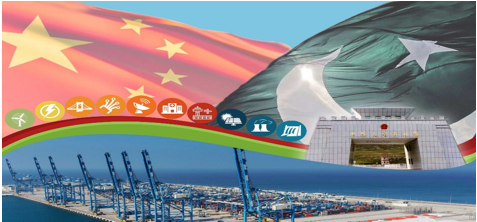
China’s transition from manufacturing-driven expansion to innovation-led growth presents Pakistan with a strategic opportunity to upgrade its industrial capacity, strengthen technological capability, and integrate more deeply into global value chains, provided Islamabad aligns policies and accelerates reforms under CPEC. In a conversation with Wealth Pakistan, Dr. Hassan Daud Butt, former Project Director of CPEC and Senior Advisor at the China Study Center and Energy China Pakistan, said China is rapidly evolving from “the world’s factory” into “its research lab, its tech incubator, and its green energy powerhouse.”
“For Pakistan, this is not a trickle-down effect,” he remarked. “It is a direct invitation to collaborate at a higher level. Our shared strategic vision through CPEC provides the perfect framework to translate this invitation into tangible growth.” Dr. Butt highlighted several priority sectors where immediate cooperation is achievable, starting with green technologies. Pakistan faces persistent energy needs and mounting climate vulnerabilities, while China leads the world in advanced and cost-effective solar, wind, and battery storage solutions.
“The goal must be to establish not just power plants, but local manufacturing ecosystems for these technologies, making Pakistan a hub for renewable energy solutions,” he said. He added that the physical corridor created under CPEC must now be complemented by a digital corridor. Deepening partnerships with Chinese leaders in 5G, fintech, artificial intelligence, and e-governance, he noted, could accelerate Pakistan’s digital transformation, create smart industrial clusters, and modernize public services — areas where the most competitive future jobs will emerge.
However, Dr. Butt cautioned that realizing these opportunities requires decisive action. “The window is open, but Pakistan must walk through it with a clear plan and decisive reforms,” he said. To attract high-tech Chinese investment, Pakistan needs a supportive ecosystem rooted in consistent policies, robust intellectual property protection, and a skilled workforce. He stressed the urgent need to upgrade technical education and vocational training to produce engineers, data scientists, technicians, and technology managers capable of meeting the demands of a fast-evolving CPEC-driven partnership. Dr.
Butt described China’s ongoing economic transformation as a pivotal test of Pakistan’s national strategy. “China’s transition offers us a chance to leapfrog stages of industrial development. This is a strategic opportunity born from a strategic relationship.” He concluded that Pakistan must align its industrial strategy with China’s innovation trajectory to secure long-term prosperity. “The next decade of CPEC must be defined by bytes and biotechnology, not just roads and infrastructure,” he emphasized.
Credit: INP-WealthPk
Related News