


i BLOGS
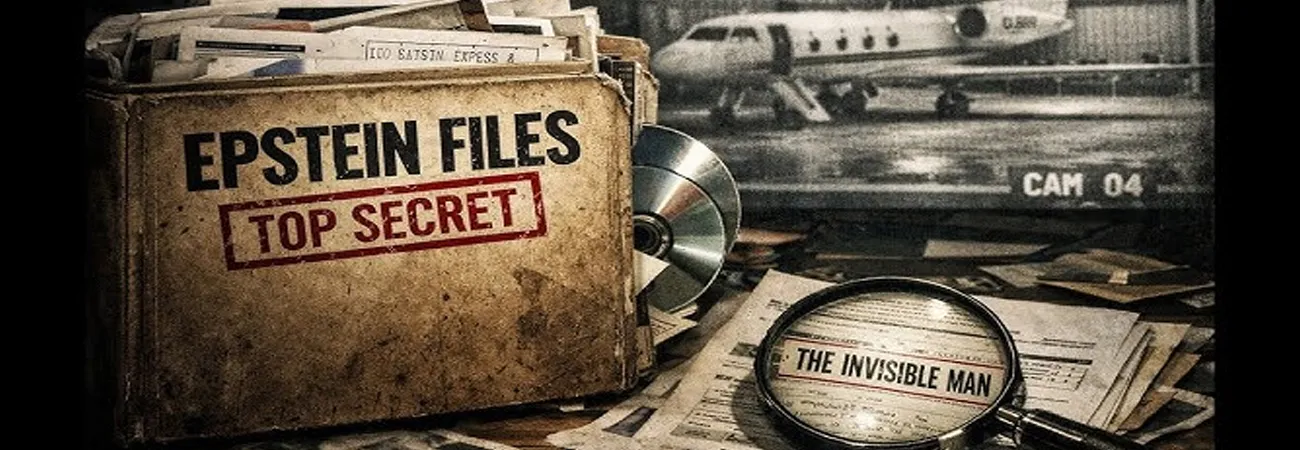
What the Epstein Files Expose About the World’s Most PowerfulBreaking
February 02, 2026
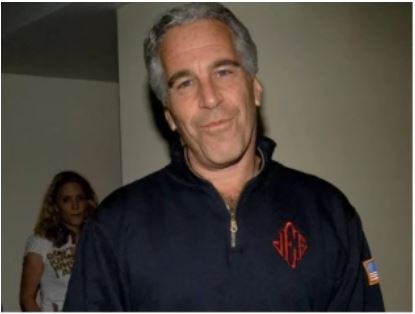
American financier Jeffrey Epstein
If there were ever a paper trail showing how deeply the world’s powerful are connected, it would be the Epstein files. From former U.S. presidents like Donald Trump and Bill Clinton to influential leaders beyond the West, including India’s prime minister Narendra Modi, the documents suggest that very few corners of political and social power remained completely distant from Jeffrey Epstein’s orbit
. Even years after Jeffrey Epstein’s death, his shadow still stretches across global politics, business, and celebrity culture.
So, what are these files, and why do they matter?
Jeffrey Epstein was not just a disgraced financier. He was someone who managed to place himself among the world’s most powerful people, presidents, royalty, billionaires, tech leaders, and influential diplomats. The newly released documents from the U.S. Department of Justice show just how wide and unsettling that network may have been.
The files contain emails, contact lists, internal memos, tips from the public, and investigative notes. They mention well-known names like Donald Trump, Bill Clinton, Bill Gates, Elon Musk, Prince Andrew, and even political figures outside the West. To be clear, appearing in these documents does not mean someone committed a crime. In many cases, it simply shows contact, communication, or social overlap. Still, the sheer number of powerful names raises uncomfortable questions.
What makes the release disturbing isn’t just who appears in the documents — it’s what they reveal about how long Epstein’s behavior was known. According to FBI notes, allegations involving underage girls were reported as early as 2006. Yet Epstein faced minimal consequences for years, eventually receiving a lenient plea deal before being arrested again in 2019.
Another troubling aspect is how Epstein appeared to use philanthropy and global causes as a shield. The files show discussions around charities, education initiatives, and even public health programs. Whether these efforts went anywhere is unclear, but the pattern is familiar: attaching yourself to respected causes can help hide darker realities.
The documents also include unverified allegations and raw tips submitted by ordinary people. Some are shocking, some are vague, and many remain unproven. This has led to confusion online, where facts, rumors, and political agendas easily blur together. Experts warn readers to be careful, not everything in the files is confirmed truth.
Perhaps the most important takeaway is this: the Epstein files are less about one man and more about a system. They show how wealth and influence can delay justice, silence victims, and protect reputations. They also highlight how marginalized people often pay the price while the powerful move on.
Even now, only part of the material has been released, with many pages still redacted. That means the full story isn’t out yet. But one thing is clear, Epstein’s case is a reminder of why transparency matters, why accountability should never depend on status, and why uncomfortable truths tend to surface, no matter how long they’re buried.
Credit: Independent News Pakistan (INP)
Related News