


i BLOGS
Rawalakot Clashes: Why Protests in Azad Kashmir Are Escalating AgainBreaking
June 15, 2026
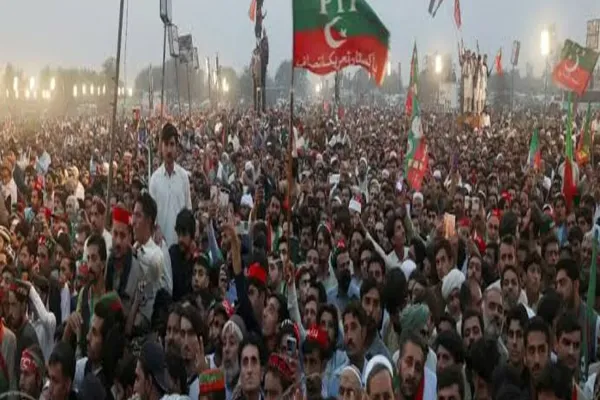
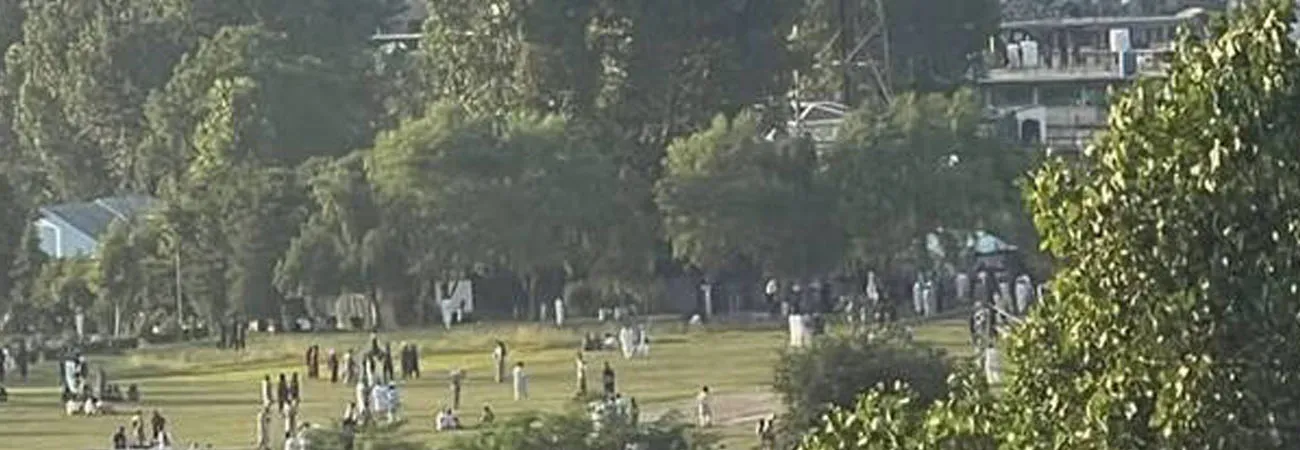
Rawalakot witnessed renewed unrest on Sunday as security forces moved in to disperse a sit-in staged by the Joint Awami Action Committee (JAAC), leading to violent clashes and heightening political tensions across Azad Kashmir. Protesters said security personnel opened fire killing at least two people and wounding several others, but official accounts and some Pakistani media reported armed protesters had opened fire first on police. Some areas have imposed internet blackouts and restricted communications, making independent verification difficult.
The latest spasm of violence is rooted in grievances that have been brewing for years. Residents have many complaints about high electricity bills, rising wheat and flour prices, unemployment and calls for more political representation. The JAAC, a coalition of traders, transporters, lawyers, students and civil society groups, emerged as a major force during the 2024 protests that forced authorities to announce subsidies and economic relief measures.
The authorities recently banned the JAAC and launched a crackdown on its leadership, further mounting tensions. Supporters of the move inside and outside the region have gone on strike, protested and called for dialogue. It is said that there are thousands who have regrouped after the Rawalakot operation, which means that public anger is still high despite restrictions.
Human rights groups have expressed concern about the use of force, arrests and internet shutdowns. Government officials say security measures are needed to maintain public order. There are rival stories happening, but one thing is for sure. The crisis is a symptom of deeper economic and political frustrations that confrontation alone will not fix. But meaningful dialogue, transparency and public trust will be key to stopping further violence and bringing stability back to the region.
Credit: Independent News Pakistan (INP)
Related News