


i BLOGS
Pakistan Fuel Crisis: Government Steps to Control Rising Petrol PricesBreaking
March 20, 2026
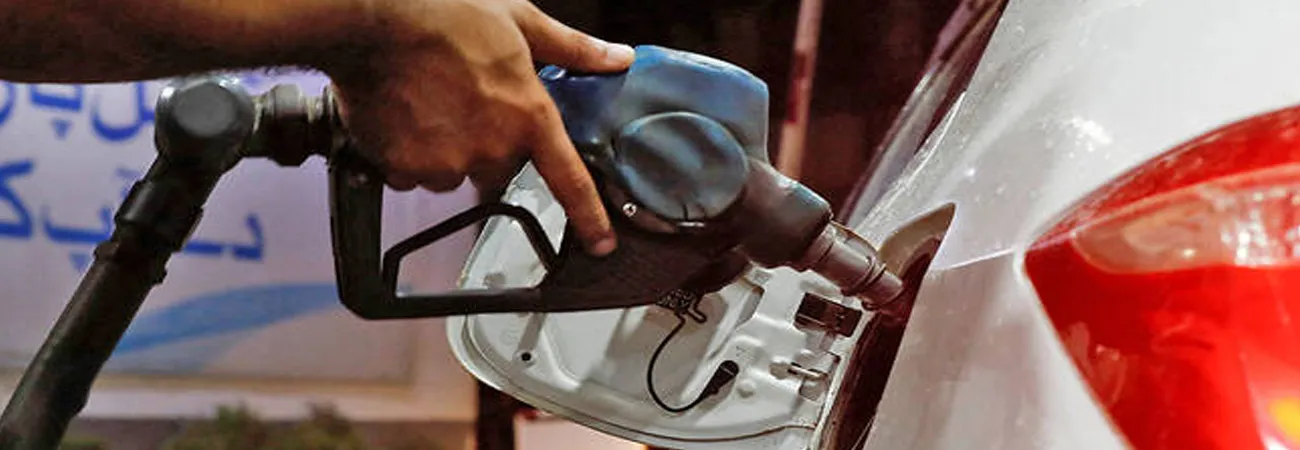
The government is preparing for more fuel-saving steps as the situation in the Middle East continues to affect global oil supply. Rising tensions in the region have disrupted supply chains and pushed oil prices up, which has directly impacted Pakistan’s fuel costs.
Earlier this month, petrol and diesel prices were increased significantly, and more increases are expected if the global situation does not improve. In response, the government has already introduced several austerity measures to reduce fuel consumption. These include limiting official use of vehicles, reducing free fuel for ministers, and encouraging fewer working days in some sectors.
Officials have said that the country currently has enough fuel reserves to meet short-term needs, but they are closely monitoring the situation and making additional arrangements to avoid shortages. Authorities are keeping strict records to ensure there are no supply issues or misuse.
The public has been asked to play its part by using fuel carefully. People are encouraged to carpool, avoid unnecessary travel, and rely more on shared transport. These steps can help reduce pressure on fuel supplies during this uncertain period.
The rising fuel prices are already making daily life more expensive, as transport costs and the prices of basic goods continue to increase. The government has said it will try to reduce the burden on citizens, but it also stressed that everyone must be prepared for changing conditions.
Earlier this week, the secretary of petroleum informed the Senate Standing Committee on Petroleum that Pakistan currently holds crude oil reserves sufficient for 11 days, diesel for 21 days, petrol for 27 days, LPG for nine days, and jet fuel for 14 days.
Overall, the focus is on saving fuel, managing available resources wisely, and staying ready for any further challenges until the global situation stabilizes.
Credit: Independent News Pakistan (INP)
Related News