


i BLOGS
No Peace Until Victory: Iran’s New Supreme Leader Rejects US-Israel TalksBreaking
March 18, 2026
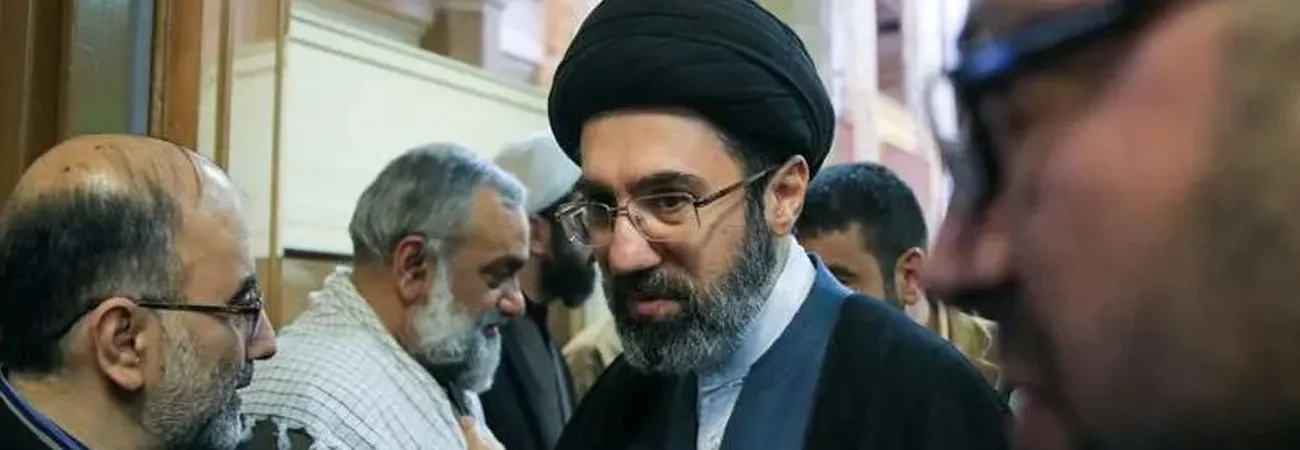
Iran’s newly appointed supreme leader, Ayatollah Mojtaba Khamenei, has reportedly dismissed recent proposals aimed at easing tensions with the United States and Israel, signalling a continuation of a hardline foreign policy stance. According to a senior Iranian official, the leader made it clear that any form of de-escalation or ceasefire would only be considered once both countries are “defeated” and held accountable. This firm position reflects growing geopolitical tensions in the Middle East and raises concerns about further escalation in the ongoing conflict.
In his first foreign policy discussions since assuming leadership, Mojtaba Khamenei is said to have emphasized retaliation and resistance rather than diplomacy. Although details remain limited, intermediaries had reportedly approached Iran’s Foreign Ministry with proposals intended to reduce hostilities. However, these efforts were rejected, with Iranian leadership insisting that now is not the appropriate time for peace negotiations.
The transition of power followed the death of former supreme leader Ayatollah Ali Khamenei, who was killed during joint military strikes carried out by the United States and Israel. His son’s appointment by the Assembly of Experts indicates continuity in Iran’s political and ideological direction, particularly as hardline factions maintain influence. Reports regarding Mojtaba Khamenei’s health remain unclear, with conflicting claims from Iranian and U.S. sources about injuries sustained during the attacks.
The conflict itself has entered a critical phase, with significant casualties reported and vital global trade routes, including the Strait of Hormuz, facing disruption. Iran’s stance on keeping the strait restricted has added pressure on global energy markets, contributing to rising oil prices and concerns about inflation worldwide. According to international observers and reporting from agencies like Reuters, diplomatic efforts to broker peace have so far been unsuccessful.
As the situation develops, experts in international relations and Middle East politics warn that the lack of dialogue and continued military engagement could deepen instability in the region. With both sides maintaining aggressive positions, the possibility of a prolonged conflict remains high, making diplomatic intervention increasingly urgent.
Credit: Independent News Pakistan (INP)
Related News