


i BLOGS
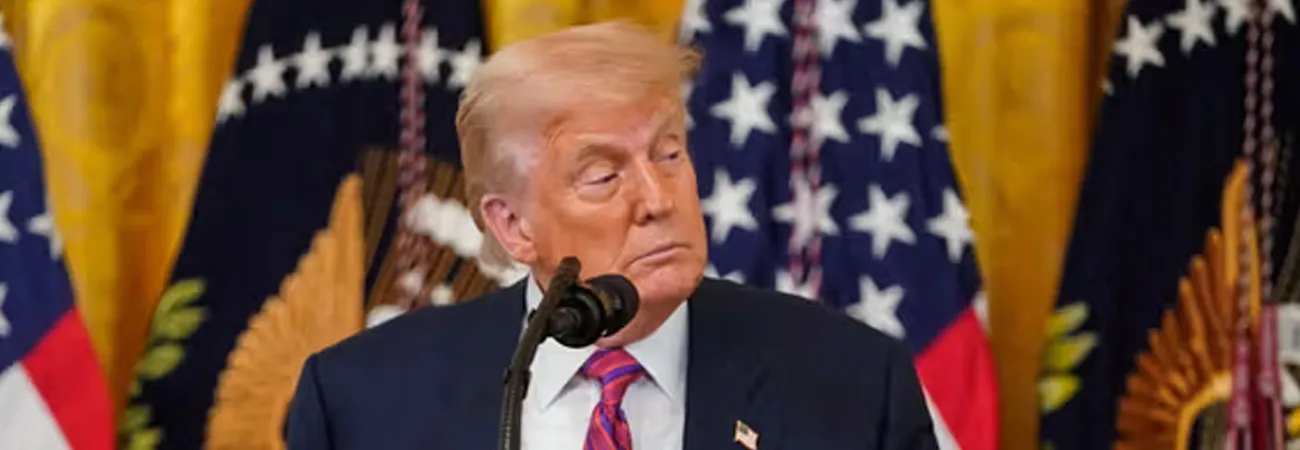
Iran Rejects US Peace Plan: Trump Threatens Tougher Action if Iran does not accept DefeatBreaking
March 26, 2026
The ongoing conflict between Iran, United States, and Israel has entered a critical phase, with rising tensions and uncertain prospects for peace. Recent developments show that diplomatic efforts are underway, but major disagreements remain.
Iran has firmly rejected a ceasefire proposal presented by the United States. Officials in Tehran stated that any end to the war will only happen on Iran’s own terms. They outlined key conditions, including a complete stop to attacks, guarantees that future aggression will not occur, and compensation for damages caused during the conflict. Iran also emphasized that the war must end across all regions and that its authority over the Strait of Hormuz must be recognized internationally.
The US proposal, reportedly a 15-point plan, was delivered through Pakistan and includes demands such as limiting Iran’s nuclear and missile programs and addressing security in the Gulf region. While some reports suggest possible talks in countries like Pakistan or Turkiye, Iran has publicly denied engaging in any negotiations, expressing deep distrust toward the US, especially under President Donald Trump.
Meanwhile, the conflict continues on the ground. Since late February, US and Israeli airstrikes have hit targets inside Iran, causing significant casualties and damage. Iran has responded with missile and drone attacks on Israel and countries hosting US military bases, including in the Gulf. These attacks have disrupted global oil supplies and increased instability in financial markets.
There are mixed signals from both sides. While the US has recently softened its tone and hinted at “productive” discussions, Iran insists no talks are taking place. At the same time, the US is increasing its military presence in the region, sending additional troops and equipment, which raises concerns about a possible escalation.
Efforts by countries like Pakistan and Turkiye to mediate show that there is still interest in finding a diplomatic solution. However, strong rhetoric, ongoing attacks, and lack of trust between the parties make a quick resolution unlikely.
In summary, although there are signs of possible dialogue, the situation remains tense. The gap between both sides’ demands is wide, and until trust is rebuilt, the conflict is likely to continue with serious regional and global consequences.
Credit: Independent News Pakistan (INP)
Related News