


i BLOGS
Big Relief Before Eid: Government Announces Salaries to Be Paid Before EidBreaking
March 17, 2026
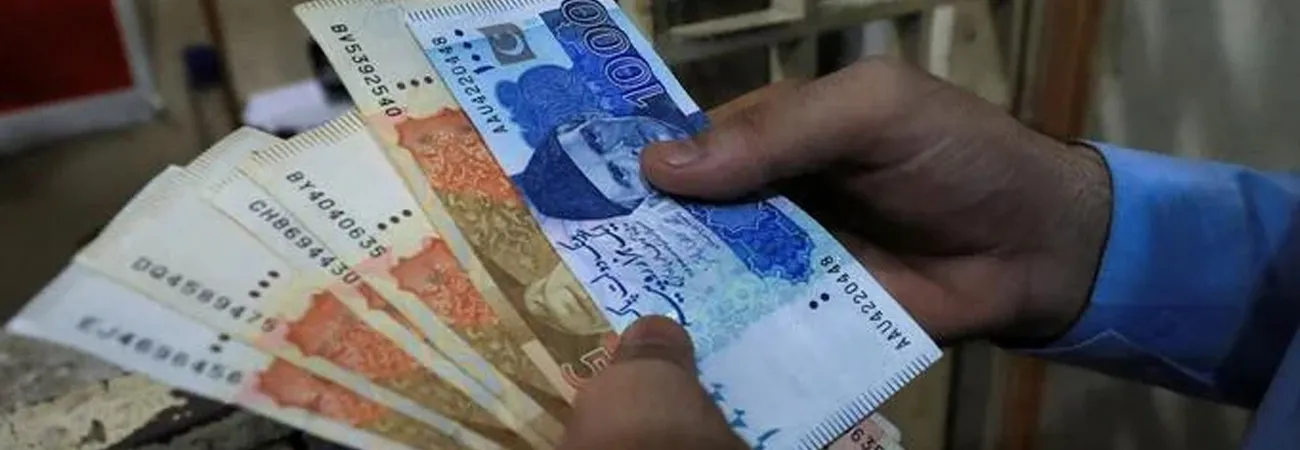
The government has introduced a timely relief initiative for public sector employees ahead of Eid celebrations. Prime Minister Shehbaz Sharif has instructed that salaries for the month of March be disbursed before the start of the Eid holidays, ensuring that employees have access to their funds when they need them most. This move is intended to ease financial pressure during a period when households typically see increased spending on food, clothing, travel, and festivities.
In response to the directive, federal ministries and departments have begun processing early payments. Officials have indicated that the goal is to make sure all employees receive their salaries in advance, allowing them to prepare comfortably for Eid ul Fitr. Early disbursement is expected to support families in managing their budgets and making necessary arrangements without last-minute stress.
At the same time, the government has formally announced the Eid holidays for federal offices. According to an official notification, public offices will remain closed on March 20 and March 21. This applies to institutions operating under both five-day and six-day work schedules, giving employees a break to observe the religious occasion with their loved ones.
For many workers, the holiday period may extend beyond these two days. Since March 22 falls on a Sunday and March 23 is already observed as a public holiday, employees could benefit from a continuous four-day break. This extended time off provides a valuable opportunity for people to travel, host gatherings, and fully participate in Eid traditions.
Astronomical estimates suggest that the Shawwal moon is likely to be born on the morning of March 19. However, the chances of sighting the crescent that evening are considered low, meaning Eid is expected to fall on March 21, 2026. Despite these predictions, the final decision will depend on official moon sighting reports reviewed by the relevant committee, which will confirm the start of the new Islamic month.
Credit: Independent News Pakistan (INP)
Related News