INP-WealthPk
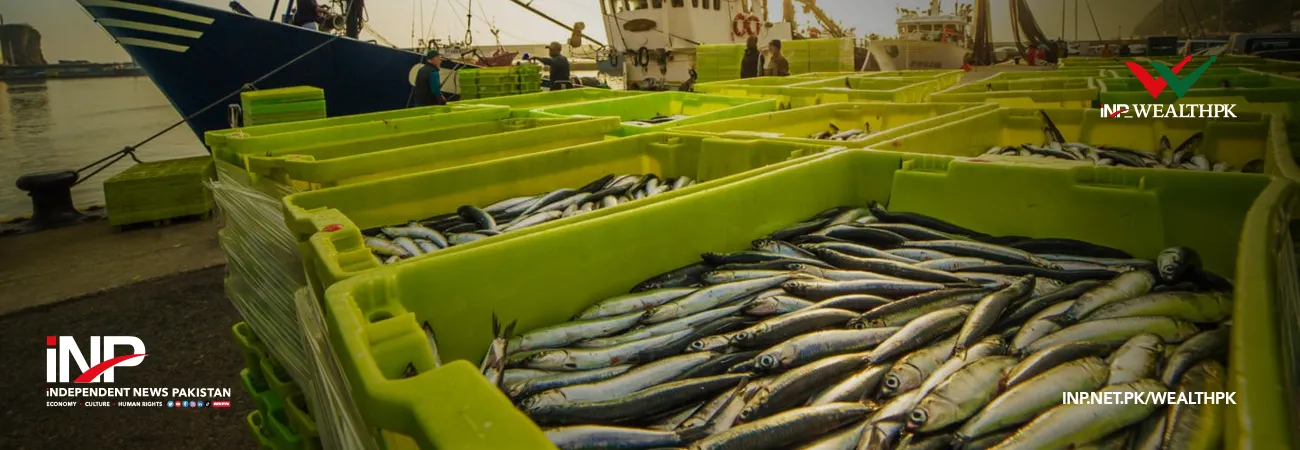
Weak cold chain and poor handling cause up to 20% losses in Pakistan’s fisheries sector
April 20, 2026
By Farooq Awan
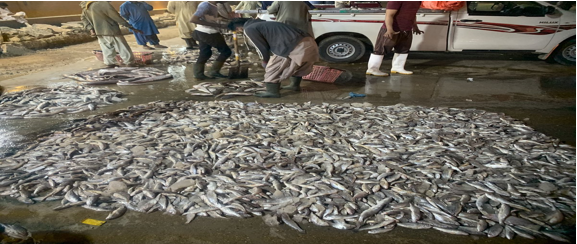
Pakistan’s fisheries sector faces significant post-harvest losses, with an estimated 15–20% of fish spoiled before reaching processing plants due to weak cold chain infrastructure and poor handling practices.
According to the “Blue Economy under URAAN Pakistan 2026” report prepared by the Planning Commission, inadequate icing during transport, unhygienic conditions at landing sites, and the use of contaminated water for ice production are major contributors to these losses.
The report highlights that these inefficiencies not only reduce the quantity of fish available for processing and export but also significantly affect product quality, thereby limiting access to high-value international markets.
Limited availability of cold storage facilities and modern landing sites further exacerbates the problem. In many coastal areas, fishermen lack access to proper storage and preservation systems, forcing them to rely on outdated methods that compromise the freshness and safety of the catch.
Power supply issues also affect processing plants, restricting their ability to operate efficiently and maintain the required temperature controls. As a result, even fish that reaches processing facilities may suffer quality deterioration before export.
The report notes that these losses have direct economic implications, reducing potential export earnings and increasing costs for producers and exporters. Poor-quality fish fetches lower prices in international markets, further weakening competitiveness.
In addition, weak cold chain infrastructure affects domestic markets, where consumers often receive fish that has already lost freshness, contributing to lower demand and reduced consumption.
The document emphasises that improving post-harvest handling and cold chain systems is essential for enhancing both export performance and domestic market development.
Investment in ice plants, refrigerated transport, and modern processing facilities is identified as a key priority. The report also highlights the importance of training fishermen and workers in proper handling and hygiene practices to minimise losses.
Strengthening regulatory oversight and quality control systems is also necessary to ensure compliance with international standards and improve market access.
The report concludes that reducing post-harvest losses represents a critical opportunity to increase efficiency, improve product quality, and enhance the overall competitiveness of Pakistan’s fisheries sector.
Credit: INP-WealthPk