



INP-WealthPk

Green shipping transition creates modernisation opportunity for Pakistan’s ports
May 31, 2026
By Qudsia Bano
The global transition towards low-carbon shipping is creating a fresh opportunity for Pakistan to modernise its ports, logistics infrastructure and maritime services as international shipping companies increasingly seek cleaner, faster and digitally connected trade routes.
Industry stakeholders say Pakistan can benefit from this shift by upgrading Karachi Port, Port Qasim and Gwadar with smart technologies, cleaner cargo equipment and improved logistics connectivity, enabling the country to position itself more competitively in regional maritime trade.
The International Maritime Organization (IMO) approved the Net Zero Framework in April 2025, combining a global marine fuel standard with greenhouse gas pricing mechanisms for international shipping, although its formal adoption was later postponed until 2026.
The framework will apply to ocean-going vessels above 5,000 gross tonnage, which account for more than 85 percent of global shipping emissions, and is aimed at supporting net-zero emissions in the shipping industry by around 2050.
Pressure on ports is increasing because maritime decarbonisation is no longer confined to ships alone.
The United Nations Conference on Trade and Development (UNCTAD) reported in September 2025 that greenhouse gas emissions from global shipping increased by 5 percent in 2024, while only 8 percent of the global fleet was equipped to operate on alternative fuels.
UNCTAD warned that decarbonisation would require major investment in fleet renewal, port adaptation and alternative fuel infrastructure.
Leading global ports have already begun moving in that direction.
Recently, the ports of Singapore, Los Angeles and Long Beach renewed their Green and Digital Shipping Corridor agreement for another three years, focusing on alternative fuels, digitalisation and energy efficiency.
The three ports also reported progress in methanol bunkering trials, clean fuel studies and port-to-port digital data exchange systems.
For Pakistan, the opportunity is closely tied to the performance and future expansion of Karachi Port, Port Qasim and Gwadar Port.
According to port authority data reported by APP, Karachi Port handled 53.95 million tons of cargo during FY2024-25, reflecting year-on-year growth of 4.45 percent. Container handling reached a record 2.65 million TEUs, while vessel traffic increased by 11 percent.
Port Qasim, meanwhile, currently operates 18 berths with annual handling capacity of around 89 million tons. The port also benefits from direct road and rail connectivity and plays a central role in Pakistan’s LNG operations.
The investment outlook for Pakistan’s port sector is also improving.
In February 2025, Hutchison Ports unveiled a $1 billion investment plan for Pakistan covering infrastructure development, road improvements, modernisation of HPKICT, development of a 52-hectare logistics park, remote quay cranes, automated rubber-tyred gantry cranes, electric trucks and digital gate operations.
The company estimated that the investment could generate at least $4 billion in royalty, rent and tax revenues over 25 years.
Speaking with Wealth Pakistan, Muhammad Tufail, Manager Marine and Exports at Pakistan State Oil, said the global green shipping transition also presents long-term opportunities for Pakistan’s marine fuel and bunkering industry.
He said Pakistan’s ports would eventually need to prepare for cleaner marine fuels, improved fuel quality systems and safer bunkering procedures as international shipping gradually moves away from conventional fuel oil.
Tufail noted that the transition would take time, but stressed that Pakistan should begin improving fuel handling standards, storage safety systems, supplier coordination and emergency response capacity at ports.
According to him, cleaner shipping can become a business opportunity if fuel suppliers, port authorities and shipping companies coordinate proactively before international regulations become stricter.
He said Karachi, Port Qasim and Gwadar could gradually emerge as more reliable regional service hubs if policy support, infrastructure planning and private-sector investment move in parallel.
Muhammad Azeem, Manager at Xpress Agencies Pvt Ltd, said the freight forwarding industry views inland connectivity, customs efficiency and shipment visibility as equally important components of green shipping readiness.
He noted that exporters would only fully benefit from low-carbon shipping routes if they are supported by faster customs procedures, warehousing systems and trucking connectivity.
According to him, cleaner and more reliable logistics chains could particularly benefit Pakistan’s textile, rice, sports goods and seafood exporters as international buyers increasingly demand lower-emission transport records.
However, he stressed that achieving this would require digital bills of lading, emissions reporting systems and stronger coordination among shipping lines, ports, customs authorities and transport operators.
Pakistan has already incorporated sustainability into its maritime planning framework.
The Ministry of Maritime Affairs has stated that the 2025-2029 China-Pakistan maritime action framework includes smart port technologies, electronic data interchange systems, warehousing, cold storage, manpower development and alignment with green energy and marine environmental protection goals under CPEC.
Industry experts believe that if Pakistan successfully integrates port automation, logistics parks, cleaner cargo handling equipment, Gwadar connectivity and future fuel readiness, the global green shipping transition could become a major opportunity for the country’s ports and logistics sector rather than merely another regulatory burden.
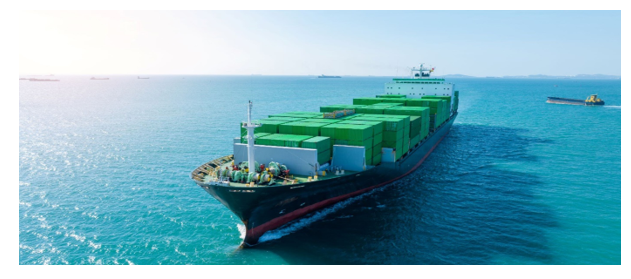
Credit: INP-WealthPk