



INP-WealthPk
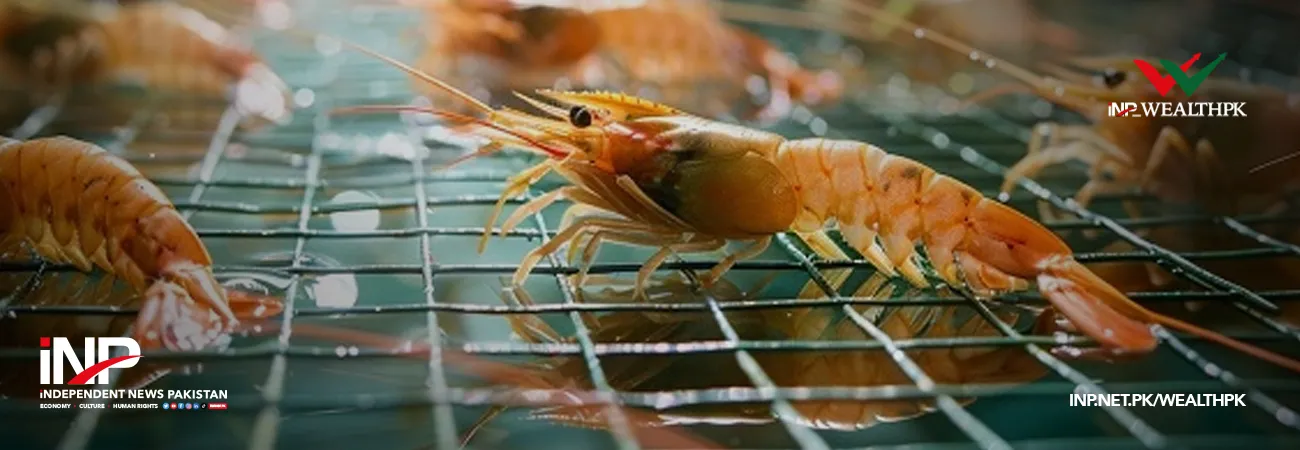
Punjab plans three shrimp farming estates to boost aquaculture exports
July 13, 2026
By Muhammad Luqman
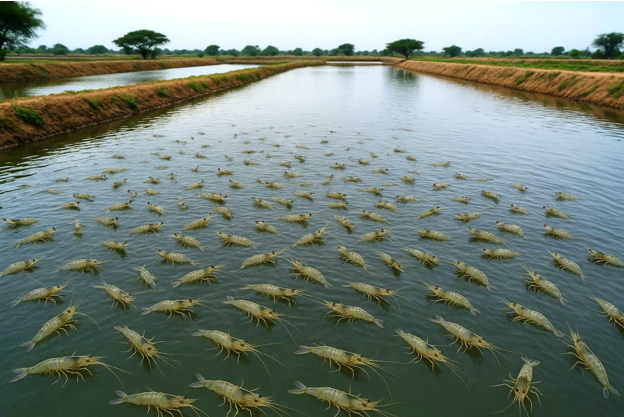
In a bid to secure a reasonable share of the growing global seafood market, particularly in quality-conscious European markets, the Punjab government plans to develop a new export-oriented aquaculture ecosystem through the establishment of three shrimp farming estates in the districts of Muzaffargarh and Sargodha.
According to official documents available with Wealth Pakistan, the three shrimp farming estates will be developed at a total cost of Rs50.3 billion. The projects include the Rakh Ali Wali shrimp estate in Muzaffargarh, spanning 4,700 acres at a cost of Rs24.7 billion; the Shahgarh shrimp estate in Muzaffargarh, covering 2,100 acres at a cost of Rs13.9 billion; and the Sargodha shrimp estate, spread over 1,600 acres at a cost of Rs11.6 billion.
In addition, the government plans to rehabilitate existing aquaculture infrastructure and business hubs in Rawalpindi, Sargodha, Wazirabad, Sheikhupura, Khanewal and Lahore at a total cost of Rs22 billion.
Under the three-year aquaculture development plan, high-value hatcheries will be established in Lahore and Dera Ghazi Khan at a cost of Rs300 million. Aquaculture malls will also be set up in Muzaffargarh and Sargodha at a cost of Rs1.7 billion. Drawing on the Swat River trout farming model, a trout hatchery is being developed in Murree at a cost of Rs1.1 billion.
According to the documents, the Murree hatchery will produce 25 million fish seeds of trout and other fish species. The three shrimp estates and the Murree hatchery are also expected to attract private investment of around Rs30 billion.
Despite having 91,000 acres suitable for aquaculture and more than 6,800 private fish farms, Punjab's aquaculture sector remains underdeveloped relative to its export potential and the rising global demand for seafood. The sector continues to face challenges, including inadequate processing and cold-chain infrastructure, non-compliance with international export certification requirements, limited access to finance, and post-harvest losses of around 30%, all of which restrict value addition and access to high-value export markets.
Punjab's rich freshwater ecosystems support a diverse range of fish species. The most commonly farmed species include Rohu, Thaila (Catla), Mrigal, Silver Carp, Grass Carp, Bighead Carp, Nile Tilapia and Common Carp (Gulfam). Native riverine species such as Shinghara and Mahseer are also found in the province's rivers. Punjab produces approximately 113,000 metric tons of fish annually, accounting for a significant share of Pakistan's inland aquaculture output. Production comes from more than 80,000 acres of public and private fish farms, while the province's rivers, reservoirs and canals extend over an additional 3 million hectares.
Under the Punjab government's aquaculture development plan, the proposed value chain will include raw farm-gate shrimp, chilled and frozen shrimp, shrimp by-products, rendered shrimp ingredients, shrimp oil and pigment extracts, mineral and shell derivatives, chitin and chitosan biopolymers, as well as pharmaceutical and biomedical products.
Meanwhile, a state-of-the-art Model Fish Market is being established in Lahore at a cost of Rs4.6 billion. The facility will replace the existing Lahore fish market, which faces significant challenges due to outdated practices, poor hygiene standards and inadequate infrastructure.
The new market is being developed on a 12.9-acre site on Kanha-Kacha Road, about three kilometres from the Ring Road Interchange. It is expected to modernize fish trading by significantly improving sanitation, fish handling, storage and overall operational efficiency.
Credit: INP-WealthPk