



INP-WealthPk
Punjab livestock sector posts major expansion as cattle numbers surpass 56m
July 20, 2026
By Azeem Ahmed Khan
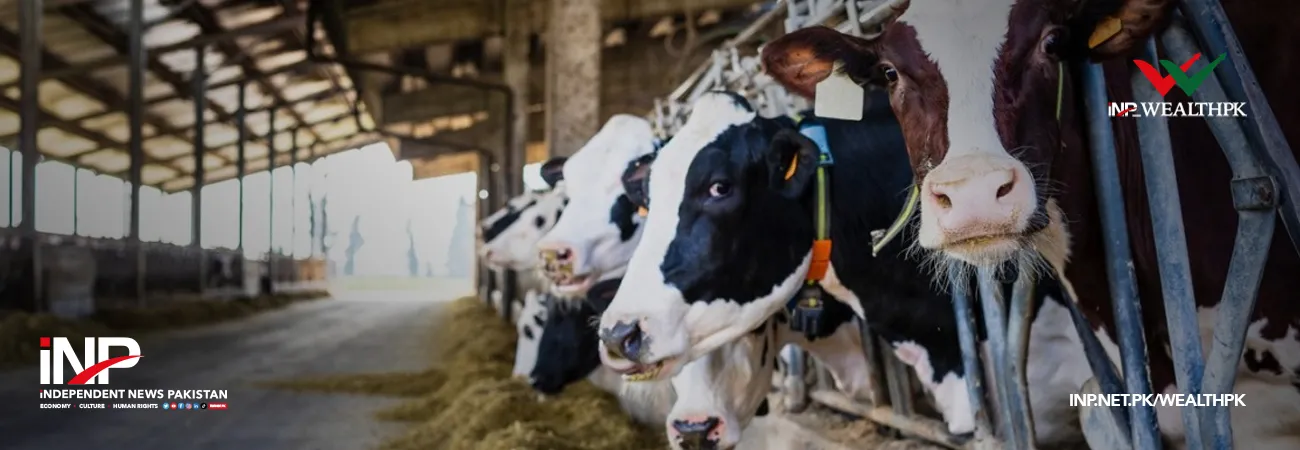
Punjab’s livestock sector has expanded significantly since the previous census, as the Agricultural Census 2024 records large populations of cattle, buffaloes, sheep and goats across the province.
This census holds special significance as it is the first-ever integrated digital census of agriculture in Pakistan’s history
A copy of the census, available with Wealth Pakistan, shows that Punjab has 26.97 million cattle, 29.56 million buffaloes, 13.38 million sheep and 31.31 million goats, underlining the province’s central role in Pakistan’s dairy, meat and rural livelihood economy.
The data indicate that livestock remains one of the most important assets for rural households, supporting milk production, meat supply, farm income and employment across Punjab’s divisions. The province’s large cattle and buffalo population underscores its strong dairy base, while sheep and goats remain critical for small farmers, landless households and the broader meat economy.
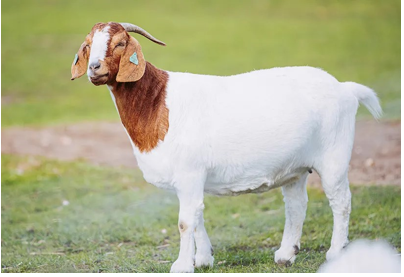
The latest goat data adds another positive dimension to Punjab’s livestock profile. The report shows that the goat population increased by 58% between the Livestock Census 2006 and the Agricultural Census 2024, rising from 19.831 million to 31.309 million.
Female goats recorded the strongest increase, growing by 75% from 11.353 million in 2006 to 19.921 million in 2024. Male goats rose by 47% from 2.687 million to 3.953 million, while youngstock increased by 28% from 5.791 million to 7.434 million during the same period.
The sharp rise in female goats is particularly important for future herd growth, milk availability and household-level income generation. Small farmers widely keep goats because they require relatively low investment, adapt well to local conditions, and provide a regular source of cash through the sale of animals, milk, and meat.
The report also shows that draught animals remain part of Punjab’s rural economy, though their role varies by species. The camel population increased by 26% from 198,964 in 2006 to 251,504 in 2024, while horses rose by 54% from 163,107 to 251,286.
Mules also recorded strong growth, increasing by 52% from 63,300 to 96,372. The number of asses rose by 8% from 2.232 million in 2006 to 2.403 million in 2024.
The increase in camels, horses, mules and asses shows that draught and transport animals continue to support rural mobility, small-scale transport, farm operations and livelihood activities, particularly in areas where mechanisation is limited or costly.
The figures point to a livestock sector with both scale and resilience. While cattle and buffaloes anchor Punjab’s dairy economy, goats offer strong potential for smallholder income, meat production and herd expansion. At the same time, the continued presence of draught animals highlights the need to align livestock planning with rural transport, animal health services, breed improvement and feed availability.
The report suggests that Punjab’s livestock strength can be further translated into higher rural incomes if supported by better veterinary coverage, disease control, feed management, market linkages, breed improvement and value-added dairy and meat processing.
Credit: INP-WealthPk