



INP-WealthPk

Pakistan targets higher oil, gas output in FY27 to reduce import reliance
July 13, 2026
By Ijaz Kakakhel
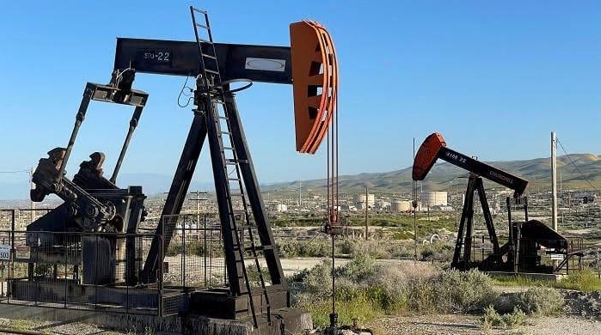
Pakistan has set higher production targets for crude oil, natural gas and LPG for the financial year 2026-27 as part of a broader strategy aimed at strengthening indigenous energy production, reducing import dependence and improving energy infrastructure resilience.
According to official documents, available with Wealth Pakistan, the country has targeted crude oil production of 25.38 million barrels during FY27, slightly higher than the 25.18 million barrels target set for FY26. The expected achievement for FY26 is estimated at 23.85 million barrels, showing 95 per cent achievement against the annual target. The new target, therefore, signals a renewed effort to improve domestic oil output and narrow the gap between demand and local supply.
The government has also set a natural gas production target of 1.29 trillion cubic feet for FY27, compared with the FY26 target of 1.16 trillion cubic feet. Gas production during FY26 is expected to reach 1.07 trillion cubic feet, reflecting 93 per cent achievement. The higher target for the next fiscal year indicates that the government expects improved performance from domestic gas fields and exploration activity.
LPG production has been targeted at 0.75 million tonnes for FY27. This is higher than the FY26 target of 0.567 million tonnes, though slightly below the expected achievement of 0.767 million tonnes. The estimates show that LPG production performed better than planned during FY26, and the next year’s target seeks to sustain a stronger supply level.
Despite the focus on local production, Pakistan will continue to depend on imported fuel to meet national requirements. LPG imports have been targeted at 1.55 million tonnes for FY27, compared with the FY26 target of 1.05 million tonnes and expected achievement of 1.5 million tonnes. This suggests that imported LPG will remain important in meeting household, commercial and industrial demand.
For LNG, the government has planned imports of 5.56 million tonnes during FY27. The FY26 target was 6.5 million tonnes, while expected achievement is estimated at 5.26 million tonnes. Although the next year’s LNG import target is lower than the previous year’s original target, it is higher than the expected import level for FY26, indicating continued reliance on LNG to bridge the gas supply gap.
Credit: INP-WealthPk