


INP-WealthPk
Pakistan can revitalise ageing neighbourhoods through China's urban renewal model
August 11, 2026
By Azam Tariq
Pakistan can revitalise its ageing neighbourhoods by adapting China's people-centred urban renewal model, which focuses on upgrading existing communities, improving municipal services and strengthening climate resilience instead of relying mainly on demolition and urban expansion, experts say.
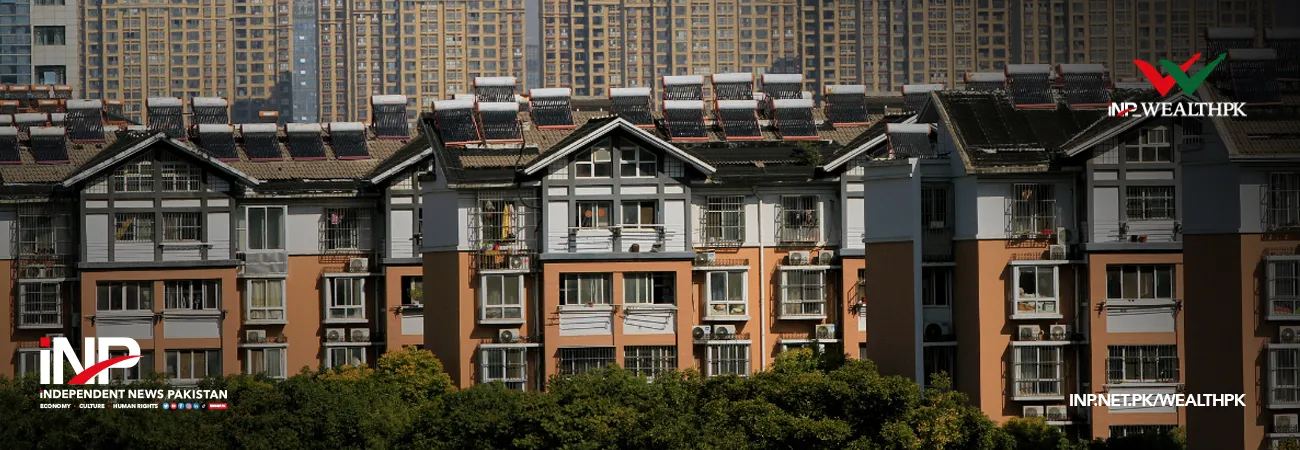
China's approach is reflected in projects ranging from the renewal of ageing residential neighbourhoods in Shanghai's Huangpu District to the adaptive reuse of former industrial areas along Shanghai's Yangpu Riverside and in Shijiazhuang, where old factories and docklands have been transformed into parks, cultural venues, libraries, cafés and public spaces. These projects demonstrate how ageing residential and industrial assets can be modernised while preserving local identity and improving residents' quality of life.
The comparison is particularly relevant for Pakistan, where the 2023 Population Census put the urban population at nearly 94 million, or 38.8% of the total, according to the Pakistan Bureau of Statistics (PBS). Rapid urbanisation, ageing infrastructure and recurring monsoon flooding continue to place mounting pressure on cities such as Lahore, Karachi and Rawalpindi.
Speaking to Wealth Pakistan, Izhar ul Haq, Urban Planning Consultant at the Urban Unit, said China's experience offers practical lessons for Pakistan, where urban development has largely focused on expanding cities rather than improving existing neighbourhoods.
"The Huangpu model corrects a habit common in Pakistani cities, where development typically means building new housing societies and ring roads on the periphery while older neighbourhoods in Lahore, Karachi, Quetta and Khuzdar are left to decline until they become unliveable," he said.
Haq said renovating existing housing stock by improving plumbing, structural safety and public access is generally more economical and socially less disruptive than demolishing neighbourhoods and relocating residents to the urban fringe, where access to jobs and essential services often becomes more difficult.
He also pointed out that Pakistan's local government system remains chronically underfunded. Without empowered municipal institutions working closely with local communities, people-centred urban planning will remain difficult to implement.
According to Haq, recurring urban flooding during the current monsoon season reflects not only infrastructure deficiencies but also weak institutional coordination.
He said development authorities, municipal corporations, water utilities and cantonment boards often operate with overlapping responsibilities, resulting in fragmented urban management.
Haq called for consolidating drainage, solid waste management and building control under a single empowered municipal authority in each city. He also stressed the need to enforce existing building regulations and master plans instead of repeatedly drafting new ones while allowing encroachments on natural drainage channels and floodplains to continue.
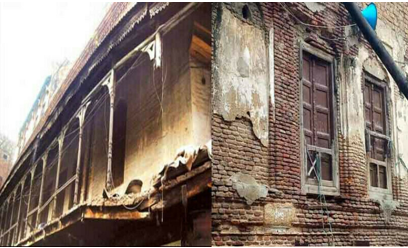
Sharing a similar view, Abida Parveen, Town Planner at Shehersaaz, told Wealth Pakistan that Pakistan should preserve, rehabilitate and upgrade ageing neighbourhoods instead of allowing valuable urban assets to deteriorate.
"We have to preserve, conserve and upgrade our old buildings through biophilic design, in which green roofing is important," she said, citing the Aga Khan Trust for Culture's heritage-led regeneration of Lahore's Walled City as a successful local example.
Parveen also pointed to the Punjab government's ongoing redevelopment of Rawalpindi's historic Raja Bazaar as evidence that people-centred urban renewal can be implemented successfully in Pakistan.
She stressed that Pakistan needs climate-resilient cities capable of reducing urban flooding and mitigating the urban heat island effect through better land-use planning, improved drainage systems and expanded green infrastructure.
According to Parveen, effective flood management requires upgrading sewerage systems, improving stormwater outlets, removing encroachments from natural drainage channels and establishing proper solid waste disposal facilities.
"Buildings today are masses of concrete that accumulate heat, and green roofs and green corridors are the only way to reduce it," she said.
She also emphasised the importance of strengthening public transport to reduce congestion, greenhouse-gas emissions and pressure on urban infrastructure.
On housing, Parveen called for a more robust urban planning framework, noting that Pakistan's housing shortage continues to widen.
Rather than relying on demolition drives such as the Capital Development Authority's clearance operations in Islamabad's Bari Imam area, she said authorities should focus on upgrading existing settlements wherever feasible.
The experts believe Pakistan's biggest lesson from China is that urban renewal should be treated as a continuous governance function rather than a one-time construction exercise. Upgrading existing neighbourhoods, strengthening municipal institutions, enforcing land-use regulations and investing in drainage, mobility and green infrastructure can make cities more resilient, inclusive and economically productive.
Credit: INP-WealthPk