



INP-WealthPk

Exotic tree plantations pose risks to Pakistan's groundwater, biodiversity
August 25, 2026
By Muhammad Luqman
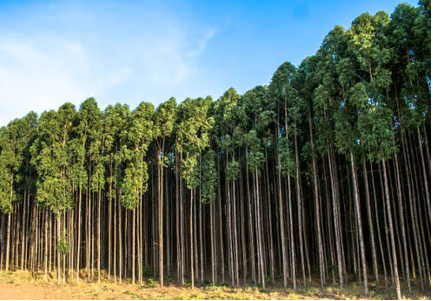
Cultivation of exotic tree species such as eucalyptus and poplar can put pressure on groundwater resources, disrupt native ecosystems and affect biodiversity in Pakistan despite their economic value and popularity among farmers, forestry experts say.
Speaking to Wealth Pakistan, Dr Muhammad Ibrahim Khan, director of forests at WWF-Pakistan, said high water consumption was among the major environmental concerns associated with some exotic species, particularly in areas already facing pressure on groundwater resources.
“The major effects they may inflict include high water consumption and reduction in the water table,” he said.
Dr Ibrahim said species such as eucalyptus could also have allelopathic effects, limiting the growth of other vegetation beneath and around them and consequently affecting the surrounding ecosystem.
Their impact could extend to local fauna, particularly birds, he said, as the physical characteristics of some exotic trees make them less suitable for nesting and shelter compared with indigenous species.
“The morphology of these trees is such that the majority of our bird species can neither nest in them nor find refuge there, resulting in a reduction in bird populations,” he said.
Dr Ibrahim said disruption of the natural ecological balance could also contribute to an increase in harmful insects and plant diseases, with possible implications for agricultural productivity and the long-term economic returns of farmland.
He said poplar and eucalyptus remained attractive to farmers because of their fast growth, high survival rates and economic returns. However, their commercial advantages needed to be weighed against their potential impact on indigenous species, water resources and natural ecosystems.
Pakistan has more than 430 native tree species spread across diverse ecological zones ranging from northern alpine forests to southern arid plains. Prominent indigenous species include deodar cedar (Cedrus deodara), sheesham (Dalbergia sissoo), neem (Azadirachta indica), kikar and amaltas (Cassia fistula).
Dr Ibrahim said tree cover had generally increased as a result of spring and monsoon plantation campaigns undertaken by provincial governments over several decades.
However, natural forests, particularly those concentrated in the northern and northwestern mountainous and submontane regions, continued to face deforestation and degradation and required greater protection, he said.
Against these ecological concerns, the Punjab Forest Department is placing greater emphasis on encouraging plantations suited to local environmental conditions and with stronger prospects for long-term survival.
A Punjab Forest Department spokesman told Wealth Pakistan that indigenous species were important because they were generally better adapted to local conditions and contributed to biodiversity and ecosystem resilience.
Fruit-bearing and multipurpose plants were also being promoted at appropriate locations, particularly through agroforestry and public-participation initiatives, he said.
The spokesman said Punjab's plantation programme had shown encouraging progress, with approximately 41.192 million saplings planted under development and non-development programmes during 2025-26.
The plantations covered about 46,216 acres of compact area, 4,069 avenue miles along canals and 899 avenue kilometres along railways and roads.
He said the department was increasingly focusing not only on the number of saplings planted but also on their maintenance and survival to improve the long-term effectiveness of plantation campaigns.
Plantation drives are undertaken during the spring and monsoon seasons with the participation of elected representatives, local administrations, educational institutions, students and the general public, he added.
Under the Smog Mitigation Action Plan 2026-27, the department has an annual plantation target of 14.068 million plants under development and non-development programmes.
The planned interventions include around 8,970 acres of compact plantations, 5,374 avenue miles of canal-side plantations and 900 avenue kilometres along railways and roads, with new afforestation works planned for the spring and monsoon seasons.
Forestry experts say expanding tree cover remains important for Pakistan, but the composition of plantations is equally significant. Greater reliance on ecologically appropriate indigenous species, alongside careful selection of commercially valuable trees, could help ensure that afforestation supports groundwater conservation, biodiversity and resilient natural ecosystems while continuing to provide economic benefits.
Credit: INP-WealthPk