


INP-WealthPk
EU commits €400m to Pakistan for green growth, skills and governance
July 21, 2026
By Moaaz Manzoor
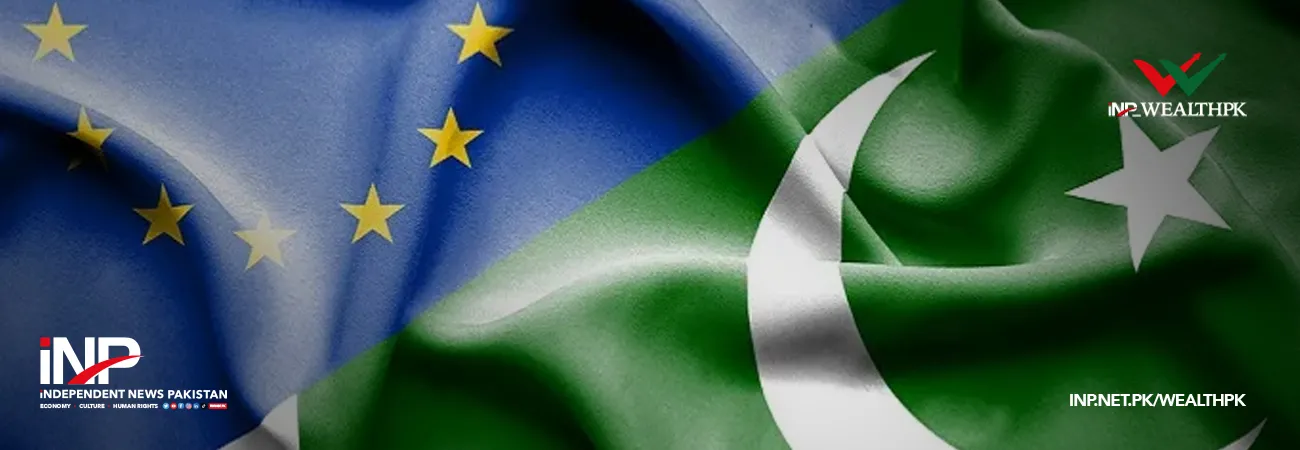
The European Union has committed €400 million in grants and blended financing for its partnership with Pakistan through 2027, supporting projects ranging from climate-resilient infrastructure and urban water services to education, vocational training and governance reforms.
According to the European Commission’s latest GSP+ assessment of Pakistan covering 2023–2025 and available with Wealth Pakistan, the cooperation programme focuses on three broad priorities: green and inclusive growth, human capital development, and governance, including the rule of law and human rights.
The commitment covers the 2021–2027 period and is separate from the tariff concessions Pakistan receives under the EU’s GSP+ trade arrangement. The bilateral programme is supplemented by regional and global initiatives covering areas such as migration, as well as by thematic support for civil society organisations working with women and young people.
The EU also plans to expand its support for Pakistan through the Global Gateway initiative, with proposed investments in sectors such as water management and climate adaptation.
Climate-related cooperation forms a major component of the programme. The assessment lists post-flood rural economic recovery projects in Khyber Pakhtunkhwa and Balochistan, two provinces that have faced repeated damage to livelihoods and infrastructure from extreme weather.
The EU is also supporting a Better Governance and Business Environment project focused on helping small and medium-sized enterprises adopt greener business practices.
Other initiatives include the revival of the Balochistan Water Resources Programme and an Energy for Climate Resilience project operating in Gilgit-Baltistan and Khyber Pakhtunkhwa.
A Rural Development and Climate Resilience Project is also being implemented in Gilgit-Baltistan, linking improvements in rural livelihoods with stronger protection against climate-related shocks.
In Punjab, EU cooperation includes an urban water and wastewater governance and services improvement programme for Faisalabad and Lahore. The programme places water management among the principal areas of European development support in Pakistan’s major cities.
The assessment also identifies a €50 million poverty-alleviation and inclusive-development project covering rural Sindh. It is the only individual project in the cooperation section for which the report provides a separate financial value.
Beyond climate and infrastructure, the EU and Pakistan are implementing programmes focused on education, employment and institutional development.
These include a large education programme in Balochistan and a technical and vocational education and training initiative intended to improve access to the labour market and promote decent work.
Other programmes support adaptive social protection in Sindh, women’s participation and leadership, parliamentary development, and civil-society cooperation involving the Ministry of Economic Affairs.
The governance portfolio includes a national human rights programme supporting the federal Ministry of Human Rights, the National Commission for Human Rights, and relevant provincial departments and statutory institutions.
A comprehensive rule-of-law programme is also operating in Khyber Pakhtunkhwa and Balochistan.
The assessment presents the €400 million commitment as development cooperation supporting the wider objectives associated with GSP+, rather than as a new trade concession or a single project allocation.
The range of programmes shows that the partnership extends beyond export preferences, covering water security, climate recovery, skills development, social protection and institutional capacity across several provinces and regions of Pakistan.
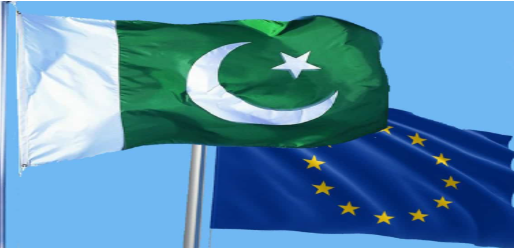
Credit: INP-WealthPk