



INP-WealthPk
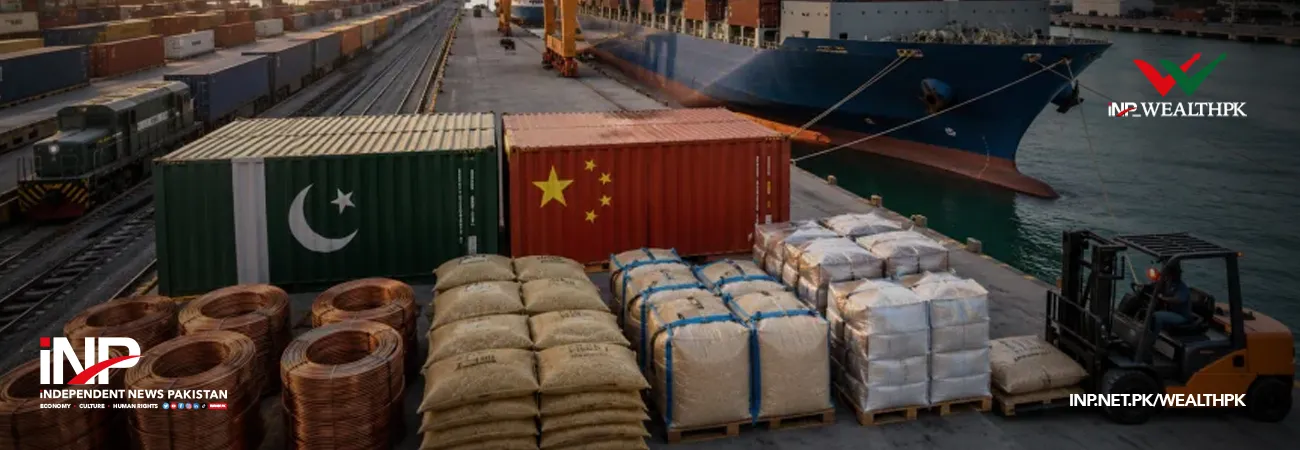
China's growing appetite for premium foods opens new export opportunities for Pakistan
July 03, 2026
By Qudsia Bano
China's growing demand for premium and processed food products, combined with expanding market access for Pakistani agricultural exports, has created fresh opportunities for Pakistan to move beyond raw commodity exports and strengthen shipments of higher value-added food products, experts say.
China remains Pakistan's largest single-country trading partner, while agricultural cooperation has continued to expand under the China-Pakistan Free Trade Agreement (CPFTA) Phase-II, which provides preferential tariff access to a wide range of Pakistani products. According to Pakistan's Ministry of Commerce, China has become one of the country's largest export destinations for rice, sesame seeds, dried chillies, seafood and processed food products, with growing potential for branded and value-added food exports.
The opportunity is underpinned by China's expanding food import market. According to the General Administration of Customs of China (GACC), the country imported agricultural and food products worth more than US$215 billion in 2024, making it one of the world's largest food importers. Rising household incomes, changing consumer preferences and growing demand for premium imported foods continue to drive imports of processed foods, seafood, fruits and specialty agricultural products.
Pakistan has also made progress in expanding market access. During 2025, the two countries continued cooperation on sanitary and phytosanitary (SPS) protocols for agricultural exports, while Pakistan's newly established National Agri-trade and Food Safety Authority (NAFSA) is expected to strengthen food safety compliance and export certification in line with international standards. These reforms are aimed at helping Pakistani exporters meet China's increasingly stringent quality requirements.
Official data from the Pakistan Bureau of Statistics shows China remained among Pakistan's largest export destinations during FY2024-25, with food products accounting for a significant share of exports. While rice continues to dominate agricultural shipments, export promotion agencies are encouraging greater exports of processed foods, fruit concentrates, frozen vegetables, dairy products, spices, sesame-based products and ready-to-eat foods to capture higher export earnings.
According to the Trade Development Authority of Pakistan (TDAP), value addition represents one of the biggest opportunities for Pakistan's agriculture sector because processed food products generate significantly higher export earnings than raw commodities while creating additional employment in food processing, packaging and logistics.
Experts believe China's expanding demand for premium imported food presents Pakistan with an opportunity to diversify agricultural exports and increase foreign exchange earnings. They say that by combining stronger food safety systems, greater value addition, modern branding and full compliance with Chinese import standards, Pakistan can secure a larger share of China's vast food import market while creating employment across the agricultural value chain.
Speaking to Wealth Pakistan, Muhammad Asif, Export Manager at Guard Rice Division, said Pakistan has already established a strong position in China's rice market, but the next phase of growth will depend on branding and product differentiation rather than export volumes alone.
He said Chinese consumers are increasingly demanding packaged, traceable and premium-quality food products instead of bulk commodities. To remain competitive against suppliers from Thailand, Vietnam and other exporting countries, Pakistani companies need to invest in modern packaging, internationally recognised food safety certifications and stronger consumer branding.
Asif also pointed to the rapid growth of e-commerce and cross-border digital retail platforms in China, saying they provide new opportunities for Pakistani exporters to reach retail consumers directly with premium packaged rice, organic foods and specialty products instead of relying solely on bulk importers.
He added that greater investment in food processing would also enable Pakistani companies to expand into ready-to-cook and convenience food categories, where consumer demand continues to rise in China's major urban centres.
Ali Raza, Manager of International Business at Matco Foods Limited, told Wealth Pakistan that Pakistan already possesses a competitive advantage because of its strong agricultural resource base, but maintaining consistent quality and compliance will be essential for sustained export growth.
He said Chinese buyers increasingly expect complete product traceability, internationally recognised quality certifications and reliable year-round supplies. Exporters capable of consistently meeting these standards are more likely to secure long-term commercial contracts than seasonal orders.
According to him, Pakistan should focus on exporting higher-value products such as fortified rice, rice-based snacks, processed grains, spices, sesame products and halal-certified packaged foods instead of depending primarily on raw agricultural commodities.
He further stressed that closer coordination among exporters, food regulators and logistics providers would help reduce shipment delays, improve product quality and strengthen Pakistan's reputation as a reliable supplier in one of the world's fastest-growing food markets.
Credit: INP-WealthPk