INP-WealthPk
China-ASEAN trade model offers lessons for Pakistan’s export growth
July 03, 2026
By Qudsia Bano
The sustained expansion of trade between China and the Association of Southeast Asian Nations (ASEAN) offers valuable lessons for Pakistan as it seeks to diversify exports, strengthen regional integration and secure a stronger position in global supply chains, experts say.
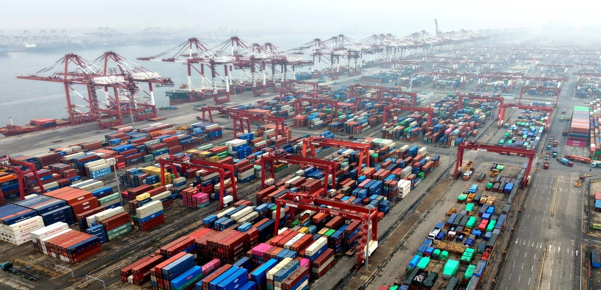
ASEAN remained China's largest trading partner during the first five months of 2025, accounting for 16.8% of China's total foreign trade, according to China's General Administration of Customs. Bilateral trade reached 3.02 trillion yuan ($420 billion) during the January-May period, reflecting continued resilience despite global economic uncertainties. Earlier, trade between China and ASEAN stood at 1.71 trillion yuan ($234 billion) in the first quarter of 2025, underscoring the steady momentum of regional economic integration.
The partnership received a further boost in May 2025 when China and ASEAN completed negotiations on Version 3.0 of the China-ASEAN Free Trade Area (CAFTA). The upgraded agreement expands cooperation into the digital economy, green economy, supply-chain connectivity and standards harmonization, reflecting the changing dynamics of regional trade and investment.
China-ASEAN economic integration has also been reinforced through the Regional Comprehensive Economic Partnership (RCEP), which has enhanced market access and trade liberalization across Asia. According to the ASEAN Secretariat, China has been ASEAN's largest trading partner since 2009, while ASEAN has remained China's largest trading partner since 2020, highlighting the long-term benefits of sustained regional cooperation.
Beyond the impressive trade figures, analysts believe the institutional framework underpinning China-ASEAN cooperation offers practical lessons for Pakistan. They say sustained export growth depends not only on market access but also on industrial competitiveness, efficient logistics and integration into regional value chains.
Analysts believe Pakistan can leverage CPEC infrastructure and Special Economic Zones to integrate more effectively into regional production networks linked with China. By strengthening industrial capabilities, improving logistics, promoting value-added exports and participating more actively in Asian supply chains, Pakistan can broaden its export base and achieve more sustainable long-term economic growth.
Speaking to Wealth Pakistan, Muhammad Umair, Assistant Manager of Exports at International Steels Limited, said ASEAN's success demonstrates how economies can improve export performance through industrial specialization and regional integration.
"Many ASEAN countries focused on becoming reliable suppliers within regional manufacturing ecosystems rather than trying to produce everything domestically. Pakistan can adopt a similar strategy by identifying niche strengths in engineering goods, processed foods, textiles and light manufacturing while improving export competitiveness," he said.
Umair noted that ASEAN economies complemented trade liberalization with investments in logistics, industrial zones and export facilitation. He said Pakistan's Special Economic Zones under the China-Pakistan Economic Corridor (CPEC) could generate similar benefits if they are more closely aligned with export-oriented industries and integrated into regional production networks.
Sajjad Ahmed, Deputy Manager of Business Development at Descon Engineering Limited, said one of the key lessons from the China-ASEAN partnership is the importance of building interconnected manufacturing ecosystems where different economies specialize in different stages of production.
He said Pakistan can strengthen its export base by promoting higher-value manufacturing, encouraging technology adoption and improving industrial competitiveness instead of relying primarily on traditional commodity exports.
Ahmed added that the completion of CAFTA 3.0 points to emerging opportunities in digital trade, green technologies and advanced manufacturing. He stressed that Pakistani exporters should prepare for these trends by investing in innovation, compliance with international standards and workforce skills to remain competitive in future regional markets.
Credit: INP-WealthPk