


INP-WealthPk
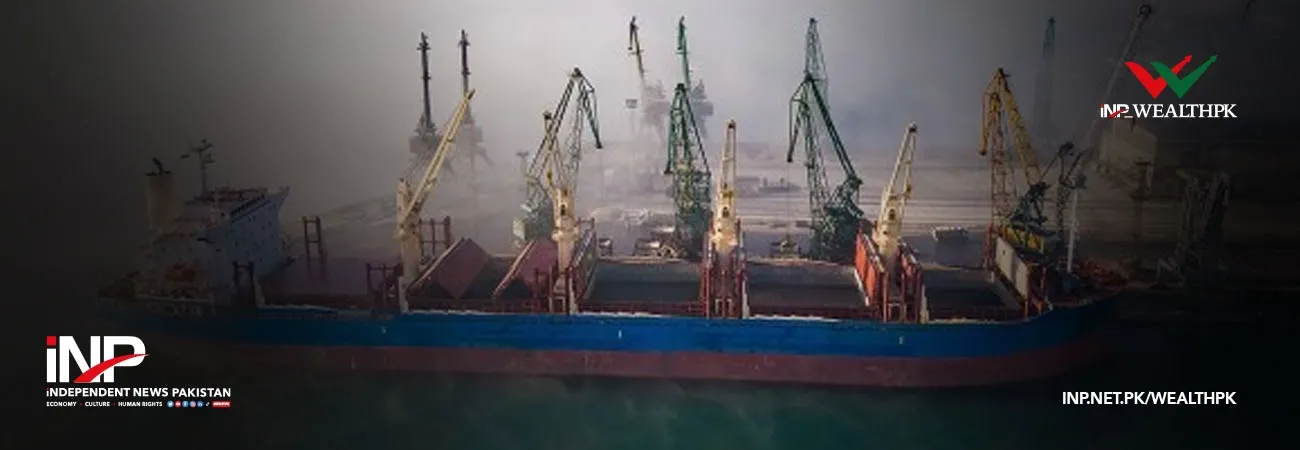
Black Sea shipping volatility raises stakes for Pakistan's wheat purchases
October 14, 2026
By Azam Tariq
Pakistan's return to the international wheat market comes as rising freight and shipping risks around the Black Sea threaten to increase import costs, putting greater emphasis on sourcing decisions and efficient management of domestic supplies.
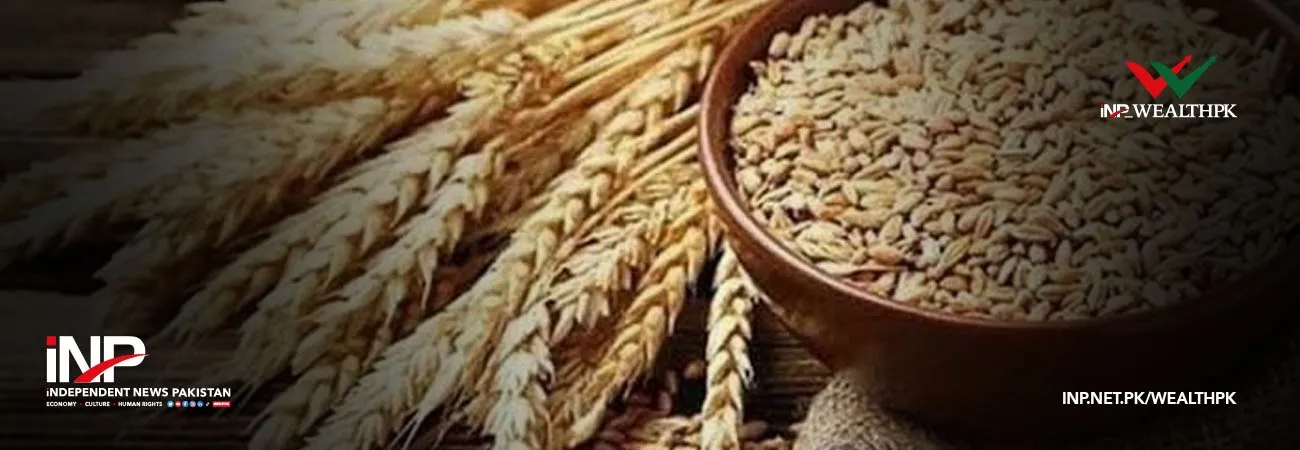
The Trading Corporation of Pakistan (TCP) has finalised contracts with seven suppliers for 365,000 tonnes of wheat at a CFR price of $348.83 per tonne, while a follow-up tender for another 185,000 tonnes was scheduled to open on September 28 on a CFR Karachi and/or Gwadar basis.
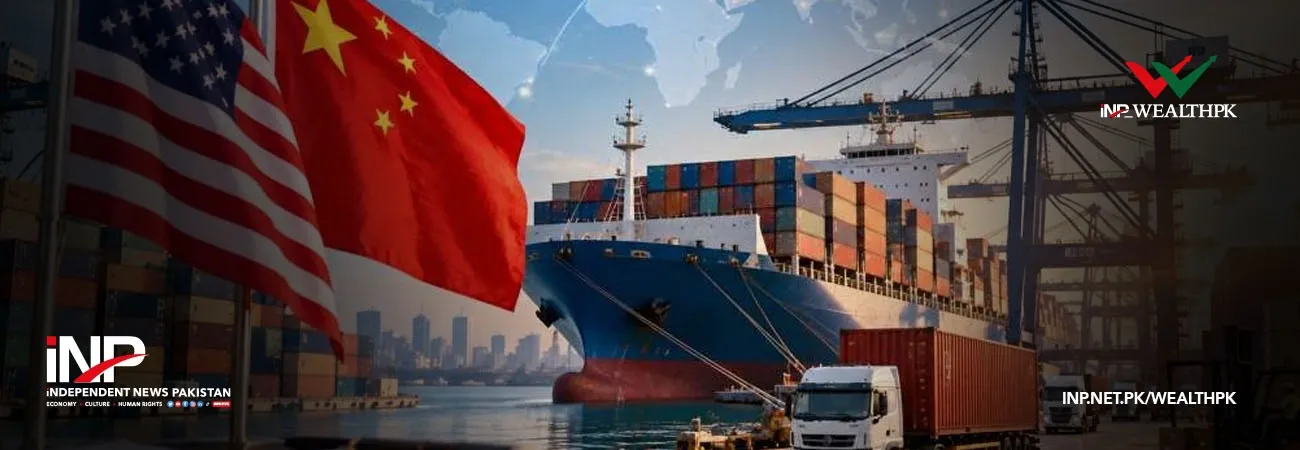
The purchases coincide with elevated grain-shipping costs and disruption around the Black Sea, a major source of wheat for international markets. Russia, one of the world's major wheat suppliers, has been looking for alternative routes following disruption to its traditional Black Sea export network.
According to the International Grains Council's (IGC) official Grains and Oilseeds Freight Index (GOFI), which tracks dry-bulk ocean freight costs on key grain and oilseed routes, the global index stood at 190 on September 22, 2026, up 14% from a year earlier. The Black Sea sub-index reached 198, up 9% year-on-year and matching its 52-week high.
For Pakistan, prolonged disruption could change the economics of wheat imports, particularly if buyers have to source grain from more distant markets, increasing the freight component of landed costs.
Speaking to Wealth Pakistan, Badar ud Din Kakar, Central Chairman of the Pakistan Flour Mills Association, said Pakistan's proximity to Black Sea suppliers has traditionally made Russia, Ukraine and neighbouring origins commercially attractive.
“Russia, Ukraine and other suppliers in the Black Sea region are geographically and commercially favourable sources for Pakistan. If those routes become difficult and we have to shift more towards the United States, Canada or Australia, the additional freight becomes an important part of the final cost,” he said.
Kakar estimated Pakistan's annual wheat demand at around 32 million tonnes against a domestic production of roughly 29 million tonnes. The Pakistan Economic Survey 2025-26 estimated wheat production at 29.61 million tonnes, up 4.3% from the preceding year.
He said dependence on imports to bridge the supply gap makes strong domestic production policy just as important as diversifying foreign suppliers. If freight costs rose sharply, the additional burden would ultimately fall on importers, consumers or the government.
According to the Pakistan Bureau of Statistics, wheat accounted for 43.3% of the country's cropped area in 2024, while Punjab accounted for about 57% of the wheat-cropped area.
Kakar said Pakistan could reduce its vulnerability to external freight shocks by providing growers with a more predictable commercial environment and avoiding interventions that discouraged production.
Independent agricultural economist and food-security consultant Dr Syed Irshad Shah told Wealth Pakistan that Pakistan's exposure to higher import costs has also been shaped by how efficiently wheat is managed at home.
He said Punjab's shift away from large-scale direct wheat procurement is understandable given the fiscal burden of government purchasing and storage, but the transition towards a more market-based system is poorly sequenced.
Farmers initially face weak prices, while subsequent administrative hurdles to wheat movement distort the market when prices begin to recover, he said.
Shah said such inconsistencies become costlier when international supply conditions are uncertain. Punjab normally supplies wheat to deficit regions, and restrictions on inter-provincial movement could tighten local markets and increase pressure for imports.
Imports, he argued, should serve as a carefully calibrated buffer rather than a substitute for sound domestic market management. Excessive or poorly timed purchases risk depressing local prices just as the new harvest arrives, undermining incentives for farmers.
Shah said import volumes, public stock releases and inter-provincial wheat movement should be coordinated to address genuine supply gaps. Better domestic coordination, he added, could reduce the need for emergency overseas purchases when international freight costs are elevated.
With Pakistan actively buying wheat while Black Sea freight markets remain volatile, the cost of future cargoes will depend not only on international wheat prices but also on their origin, available shipping routes and freight costs. Better domestic supply management could therefore help limit Pakistan's exposure to external shipping disruptions while ensuring adequate availability in the local market.
Credit: INP-WealthPk
Related Articles