




INP-WealthPk

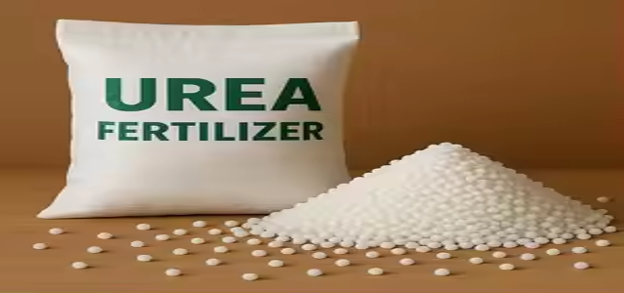
Fertiliser sales fall to 548,000 tons in April as urea, DAP offtake slows
June 03, 2026
By Moaaz Manzoor
Pakistan’s fertiliser sales declined in April 2026 compared with the previous month, mainly due to lower offtake of urea and diammonium phosphate (DAP), according to the latest data released by the State Bank of Pakistan (SBP).
The SBP data showed total fertiliser offtake stood at 548,000 metric tons in April 2026, down from 719,000 metric tons recorded in March.
The decline was primarily driven by lower urea sales, which fell to 463,000 metric tons in April from 569,000 metric tons a month earlier. Similarly, DAP offtake dropped to 85,000 metric tons from 150,000 metric tons recorded in March.
The latest figures indicate a moderation in fertiliser demand following stronger activity in March, although overall offtake remained above the levels recorded during the first two months of the year.
Earlier, total fertiliser sales stood at 353,000 metric tons in February, then rose sharply to 719,000 metric tons in March. Urea sales increased from 251,000 metric tons in February to 569,000 metric tons in March, while DAP offtake climbed from 102,000 metric tons to 150,000 metric tons during the same period.
Despite the monthly decline, urea continued to dominate fertiliser consumption across the country. Out of the total 548,000 metric tons sold during April, urea accounted for 463,000 metric tons, while DAP contributed 85,000 metric tons.
The SBP data also showed that fertiliser demand remained considerably lower than the unusually high levels recorded in December 2025, when total fertiliser sales surged to 1.436 million metric tons. During that month, urea sales reached 1.356 million metric tons, while DAP sales stood at 80,000 metric tons.
Analysts generally view fertiliser offtake trends as an important indicator of agricultural activity, crop sowing patterns, and farm-sector demand conditions, particularly in an agriculture-based economy such as Pakistan.
The latest data suggests that while seasonal demand remained stable during April, fertiliser purchases eased after the significant increase witnessed in March, pointing to a normalization in buying activity following the earlier surge.
Credit: INP-WealthPk
Related Articles