

i NEWS PAK-CHINA

HealthAI sees China playing larger role in global HAI governance, Pakistan remains at an early stageتازترین
March 27, 2026
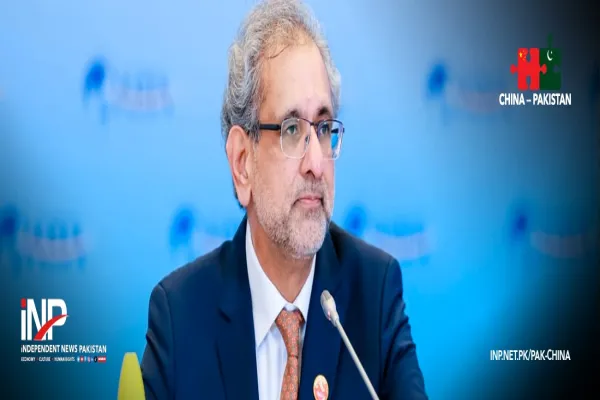
China could play a larger role in the global governance of healthcare artificial intelligence (AI) as HealthAI works toward opening an office in the country, its chief executive Ricardo Baptista Leite said.
Speaking with China Economic Net (CEN) in an exclusive interview, Ricardo said the Geneva-based organisation was working with local authorities to establish a presence in China and would like to see a Chinese entity join its international network on health AI governance.
"We would love to welcome a Chinese entity to the Global Regulatory Network," Ricardo said. He also pointed to HealthAI's recent cooperation with Tsinghua University, which contributed a China chapter to the organisation's latest global landscape report on AI governance in health.
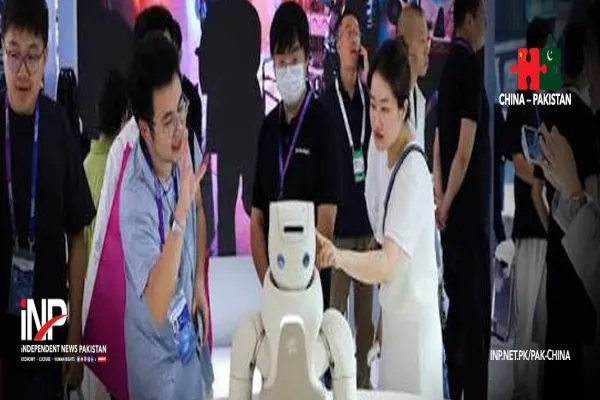
Ricardo said China's development and deployment of health technology could serve as an "inspiring example" for low- and middle-income countries. Countries with fewer legacy medical systems have more flexibility to rethink healthcare delivery, prevention and health promotion using AI, he added.
HealthAI's network currently includes ten members, among them Britain, Singapore, India, Zambia and Brazil. The group plans to expand annually and would welcome countries such as Pakistan to join, though Islamabad has not formally expressed interest, Ricardo said.
Pakistan's medical AI sector remains at an early stage, with scattered pilots and limited institutional adoption, according to Dr Muhammad Shahbaz, president of the China-Pakistan Medical Association, in an early March interview with CEN, reflecting many of the capacity and infrastructure constraints highlighted by HealthAI.
Ricardo said broader adoption of medical AI in developing countries faces persistent hurdles, including fragmented regulation, limited technical capacity, underuse of health data, funding uncertainties, and weak post-market surveillance for adaptive AI systems.
However, Ricardo identified trust as the central barrier to adoption. "Without trust, people will not adopt the technology," he said, calling for stronger regulatory frameworks and closer collaboration between governments and developers. Equitable access remains critical, he added, noting that AI deployment must extend beyond major cities to rural areas to support community health workers.
China issued a policy document in November 2025 on "AI plus healthcare", setting targets for broader AI-assisted services by 2027 and calling for risk-based oversight, according to the National Health Commission.
Credit: Independent News Pakistan (INP) — Pak-China
متعلقہ خبریں