

i INP-WEALTHPK
PPP model planned for wheat procurement to support strategic reservesتازترین
December 23, 2025
Azeem Ahmed Khan
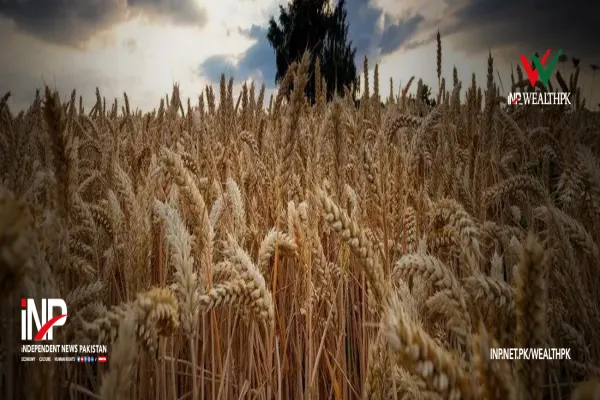
The Ministry of National Food Security and Research is in the process of operationalising a Public-Private Partnership (PPP) model for wheat procurement under the National Interim Wheat Policy 2025-26, aimed at ensuring the maintenance of strategic wheat reserves while easing fiscal pressure on the public exchequer.
Under the proposed framework, private sector participation will be enabled through a structured licensing mechanism, says a document available with Wealth Pakistan. The process will begin with prequalification, followed by the issuance of Requests for Proposals to licensed private entities.
The new model has been designed to address longstanding public funding constraints by leveraging the financial capacity and operational efficiency of the private sector. Specifically, licensed private firms will procure wheat on behalf of the government to maintain strategic wheat reserves, which are critical to national food security and market stability.
Previously, wheat procurement, storage, and handling were carried out directly by the government through the Pakistan Agricultural Storage and Services Corporation and provincial food departments. Under that arrangement, the public sector bore the full financial burden, including procurement costs, storage charges, financing expenses, and operational overheads. In addition, the system exposed the public sector to losses arising from pilferage.
In contrast, under the PPP model, the procurement of wheat will be undertaken by licensed private sector firms using their own financial resources and/or commercial credit lines. The government’s financial role will be limited to incidental and facilitative costs, including capital-related charges, applicable interest costs, storage rentals, and other approved operational overheads.
Crucially, the commodity cost of wheat will be borne by the private sector, a shift expected to significantly reduce immediate fiscal pressure on the government while ensuring uninterrupted maintenance of strategic wheat stocks. According to the ministry, this innovative PPP arrangement is expected to help bridge financing gaps. Tentative timelines for the wheat procurement process have already been framed.
However, these timelines are subject to the completion of the requisite approval process and full compliance with the Public Procurement Regulatory Authority Rules, 2004. The timelines will commence from the issuance of the prequalification document. The ministry has clarified that this PPP initiative is limited solely to the maintenance of strategic wheat reserves.
Other wheat-related projects and activities will continue to be handled separately by the Plan Section of the Ministry of National Food Security and Research or its attached departments. Overall, the PPP-based wheat procurement model represents a significant shift in approach, aimed at safeguarding food security while promoting fiscal discipline and private sector participation.
Credit: INP-WealthPk
متعلقہ خبریں