

آئی این پی ویلتھ پی کے
Sindh energy dept owes HESCO over Rs18bn in power dues
January 31, 2026
By Ayesha Saba
The Sindh Energy Department owes Hyderabad Electric Supply Company (HESCO) Rs18.11 billion in power dues accumulated over the period from March 2024 to December 2025 due to delays in reconciling the non-communication periods of AMR meters.
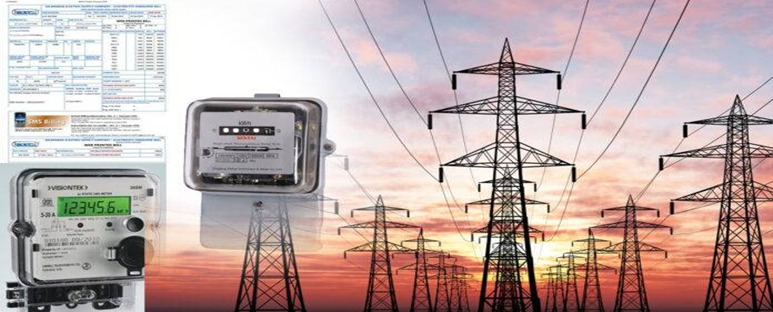
According to a document available with Wealth Pakistan, the most recent reconciliation exercise for active AMR meters covered the period from June 2023 to February 2024, during which Rs6.5 billion was successfully reconciled. Of this amount, the company received Rs1.5 billion in April 2025 from the government of Sindh, followed by Rs2 billion in June 2025 through the federal adjustor. Another payment of Rs1.5 billion was released in January 2026 by the Sindh government. However, a balance amount of Rs1.5 billion is still outstanding against the provincial government, worsening the financial strain on the power utility and contributing to the accumulation of arrears over time.
HESCO has also outlined multiple operational reasons behind the non-communication of AMR meters. These include unauthorized extensions of electrical load by government departments, bypassing of meters through direct connections or illegal practices such as kunda, and persistent SIM or network connectivity issues. In some cases, meters failed to communicate due to the use of jammers, while a large number of meters installed in 2019 have reached end of service life and are no longer functional.
To address the issue, HESCO has proposed a set of procedural reforms aimed at preventing future accumulation of arrears. The company has recommended that the non-communication period of AMR meters be reconciled on a regular basis, rather than allowing claims to pile up over extended periods. It has also called for the development of a mechanism to update old sanctioned loads, including the payment of required security amounts, to reflect actual consumption patterns.
The utility further urged the government to improve its reconciliation framework for electricity consumed through direct connections, illegal hookups, and temporary supplies provided during dewatering operations in flood or rainy seasons, as well as during religious events.
According to HESCO, the absence of a clear mechanism for such consumption continues to distort billing and recovery figures.
On the issue of payments, HESCO emphasized that reconciled amounts should be released unconditionally through the energy department. The power utility has also recommended that upon completion of reconciliation, funds should be transferred directly to HESCO to avoid administrative delays and ensure the financial sustainability of the distribution company.
Credit: INP-WealthPk
متعلقہ مضامین