



آئی این پی ویلتھ پی کے

China reduces logistics costs to 13.9% of GDP as modern distribution system expands in 2025
March 17, 2026
By Special Correspondent
China reduced total logistics costs to 13.9% of its gross domestic product in 2025 as the country accelerated efforts to modernize its distribution system and improve the efficiency of goods circulation, according to the report on the implementation of the 2025 plan for national economic and social development reviewed at the national legislative session in Beijing.
The report notes that the logistics cost ratio declined by 0.2 percentage points compared with 2024, marking the first time that total logistics costs have fallen below 14% of GDP.
Authorities implemented an action plan aimed at reducing logistics costs across the economy while improving the efficiency and integration of transportation and distribution networks.
As part of efforts to strengthen the modern distribution system, China continued developing strategic logistics hubs and transport corridors to support more efficient goods circulation.
According to the report, the country steadily advanced the development of 102 cities into strategic hubs for modern distribution.
These cities play a central role in facilitating the movement of goods and improving the efficiency of supply chains across regions.
China also supported the development of a major commodity circulation corridor in the Shanxi-Hebei-Shandong-Henan region as part of broader efforts to enhance the national distribution network.
In addition, Ningbo and Zhoushan were supported in building themselves into key hubs for the distribution of commodities and resources.
The report highlights that the number of national logistics hubs in China reached 181, while the number of key national cold-chain logistics bases increased to 105.
Authorities also reinforced national comprehensive freight hubs to improve the efficiency of cargo transport and logistics operations.
According to the report, 37 cities functioning as national comprehensive freight hubs received support to address weaknesses and strengthen infrastructure.
Efforts were also made to expand multimodal transportation networks that integrate rail, road, water and air transport systems.
During the year, China established 63 rail-water intermodal hubs, 76 road-rail intermodal hubs and 43 land-air intermodal transportation hubs.
Multimodal transport has been promoted as a key component of logistics reform, helping improve the efficiency of cargo transport and reduce logistics costs.
The report notes that China also advanced market-oriented reforms in rail freight transportation as part of broader efforts to modernize logistics services.
Authorities emphasized the importance of improving logistics efficiency to support economic development, enhance supply chain resilience and reduce costs for businesses.
The continued expansion of logistics infrastructure and distribution networks is expected to further strengthen China’s modern logistics system and support the efficient circulation of goods across the economy.
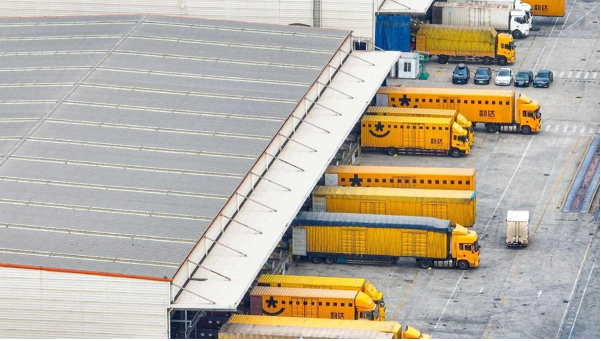
Credit: INP-WealthPk
متعلقہ مضامین