

i NEWS PAKISTAN
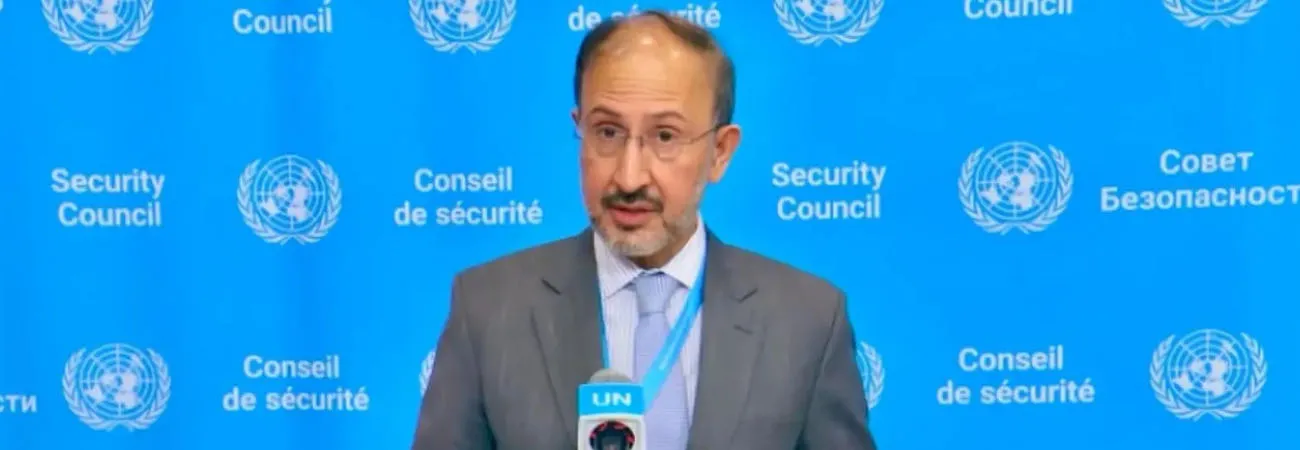
UNSC adopts Pakistan-led statement urging diplomacy during conflictsBreaking
November 06, 2026
The United Nations Security Council has adopted a Pakistan-initiated presidential statement urging countries to continue diplomatic efforts even after armed conflicts break out, stressing the need for ceasefires, de-escalation and lasting political solutions. Titled “The Role of Diplomacy during Active Hostilities”, the statement highlights the importance of diplomatic engagement in protecting civilians, containing violence, preventing conflicts from spreading and ensuring humanitarian assistance during wars.
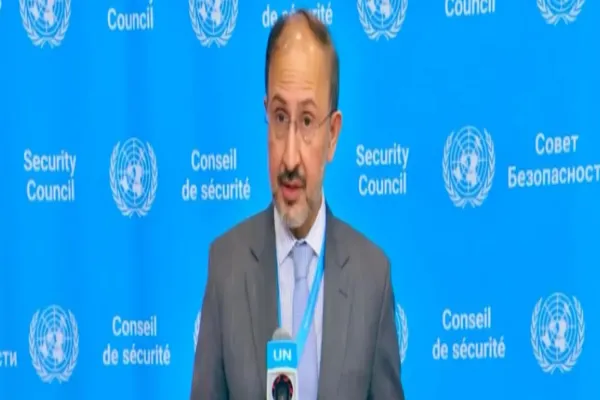
It calls on countries to use mediation, good offices and direct or indirect communication between conflicting parties to ease tensions and create opportunities for negotiations, even while military operations are underway. Pakistan's Permanent Representative to the UN, Ambassador Syed Haider Shah, welcomed the adoption, describing it as a significant contribution to international efforts aimed at resolving conflicts peacefully. “The message of this Presidential Statement is both simple and powerful: Diplomacy must not end when hostilities begin.
Indeed, it becomes even more indispensable,” he said during a press stakeout following the adoption. The statement was adopted under the November presidency of Latvia's Ambassador Sanita Pav?uta-Deslandes, who is currently chairing the Security Council. The Pakistani initiative builds on UN Security Council Resolution 2788, unanimously adopted during Pakistan's presidency of the Council in July 2025, which reaffirmed the importance of peacefully resolving international disputes in accordance with the UN Charter.
While the earlier resolution focused on the peaceful settlement of disputes, the latest statement specifically addresses the need to maintain diplomatic engagement after armed confrontations have begun, when communication between opposing sides often breaks down and the risk of escalation rises. The Security Council stressed the importance of keeping communication channels open between conflicting parties, either directly or through intermediaries, to prevent miscalculations, reduce tensions and facilitate political negotiations.
It also identified key objectives of diplomacy during active hostilities, including securing ceasefires, ensuring safe and unhindered humanitarian access, protecting civilians and preventing conflicts from expanding into regional or international confrontations.
Credit: Independent News Pakistan (INP)
Related News