


i NEWS PAKISTAN
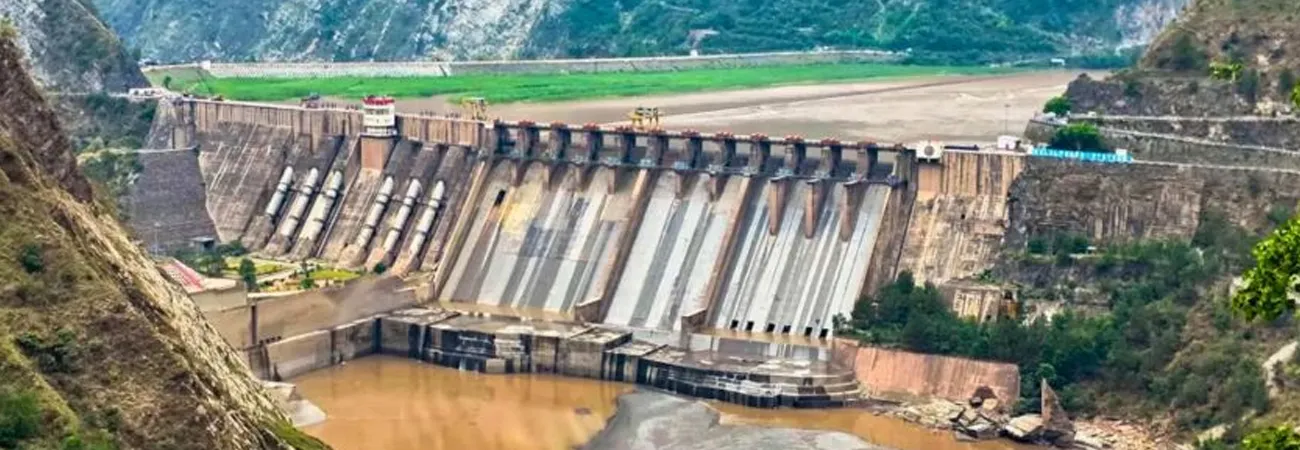
Dams in Kishtwar displace 1,000 families, intensify water war fears Breaking
March 24, 2026
In a development exposing the dual agenda of demographic disruption and strategic resource manipulation by the India’s Modi regime, over one thousand families have been displaced by hydropower projects in Indian illegally occupied Jammu and Kashmir, intensifying fears of a calculated plan to control water flows towards Pakistan.
According to Kashmir Media Service, the disclosure made in the Indian Parliament confirms that at least 1,004 families in Kishtwar district have been affected by major hydroelectric projects, including Dulhasti, Pakal Dul, Kiru and Kwar. Analysts say such large-scale displacement, coupled with inadequate rehabilitation measures, reflects a systematic pattern of marginalizing local populations while consolidating India’s grip over key water resources originating from the region.
India’s Minister of State for Power, Shripad Naik, informed the Parliament that 60 families were displaced by the 390 MW Dulhasti project. There is no formal provision of jobs for those affected by the projects under approved resettlement plans. This has left hundreds of affected families struggling for livelihood and basic rights.
Political analysts and water policy experts have warned that the construction of multiple hydropower projects along the Chenab River basin is not merely an economic initiative but part of a broader strategy to regulate and potentially restrict water flow to Pakistan, in violation of the spirit of the Indus Waters Treaty. They argue that such projects provide India the capability to manipulate water timing and volume, posing serious risks to Pakistan’s agriculture and water security.
The Dulhasti project was developed by NHPC Limited, while Pakal Dul, Kiru and Kwar are being executed by Chenab Valley Power Projects Limited (CVPPL). Although authorities claim that over 6,000 locals have been engaged through contractors, only a fraction belong to displaced families, raising further concerns about inequitable compensation and exclusion.
Credit: Independent News Pakistan (INP)
Related News