


i NEWS INTERNATIONAL
West Asia conflict risks livelihoods in India, 2.5 million at risk of poverty: UN Breaking
April 14, 2026
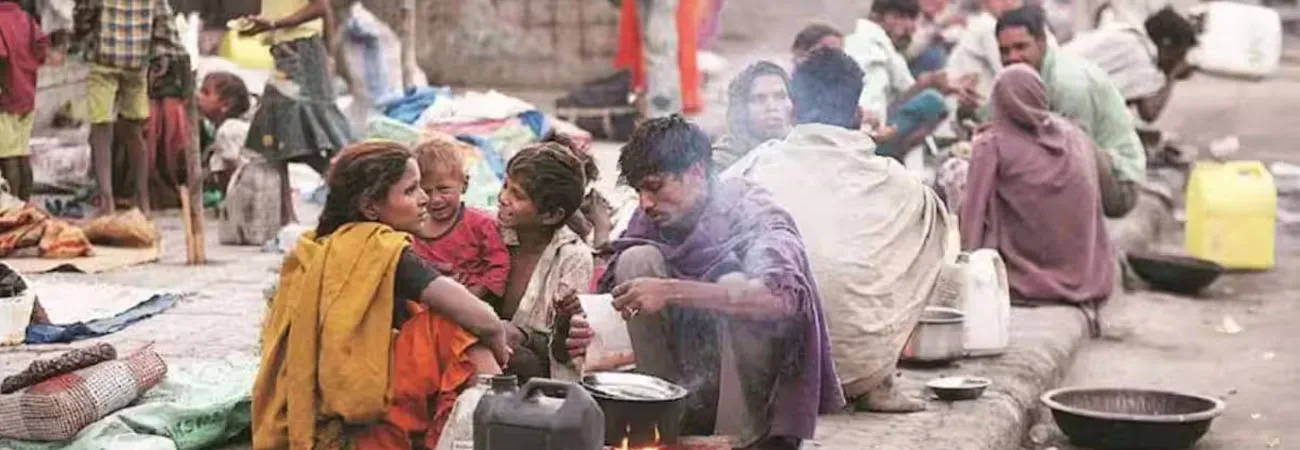
The ongoing military escalation in West Asia is expected to push nearly 2.5 million people in India into poverty, while also slowing human development progress and worsening economic vulnerabilities, according to a United Nations assessment.
A new report by the United Nations Development Programme (UNDP) titled “Military Escalation in the Middle East: Human Development Impacts Across Asia and the Pacific” warns that rising fuel, freight and input costs triggered by the conflict are weakening household purchasing power, increasing food insecurity and straining public finances across the region.
The report estimates that globally up to 8.8 million people could fall into poverty due to the conflict, with South Asia accounting for the largest share of the impact. In India alone, the number of people pushed into poverty is projected to rise from around 400,000 to approximately 2.5 million under severe scenarios.
It further notes that India, which meets over 90 per cent of its oil requirements through imports and sources a significant share of crude and LPG from West Asia, remains highly exposed to disruptions in the Strait of Hormuz. The report warns that such disruptions are already impacting key sectors, including healthcare, where raw material costs for medical devices are expected to rise by nearly 50 per cent, while wholesale medicine prices have increased by 10–15 per cent.
The UNDP assessment also highlights broader structural vulnerabilities, stating that West Asia supplies over 45 per cent of India’s fertiliser imports and that the country’s domestic urea production is heavily dependent on imported energy inputs. Rising LNG prices have also pushed several economies, including India, towards greater reliance on coal-based power generation.
On trade and employment, the report notes that West Asian markets account for a significant share of India’s exports and imports, including sectors such as gems and jewellery, apparel, tea and basmati rice. It warns that disruptions in shipping routes, freight costs and insurance premiums are affecting supply chains across multiple countries.
The UN further cautioned that India’s large informal workforce—estimated at around 90 per cent of total employment—faces heightened risks, particularly in MSME-dependent sectors such as construction materials, hospitality and manufacturing, where rising costs could lead to reduced working hours and job losses.
The report also highlights the impact on remittances, noting that over 9 million Indians reside in Gulf Cooperation Council countries, and their earnings constitute a significant share of India’s inward remittances. UN officials said the crisis underscores the urgent need for countries to strengthen economic resilience, diversify energy systems and improve social protection frameworks to mitigate the impact of external shocks.
Credit: Independent News Pakistan (INP)
Related News