


i INP-WEALTHPK
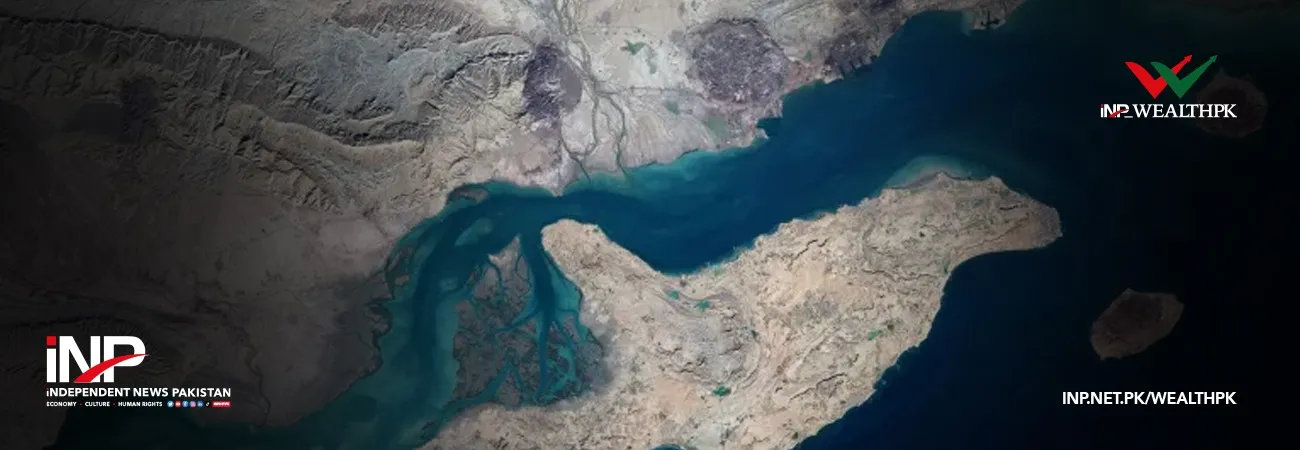
Strait of Hormuz tensions may keep Pakistan’s import costs under pressureBreaking
March 31, 2026
By Moaaz Manzoor
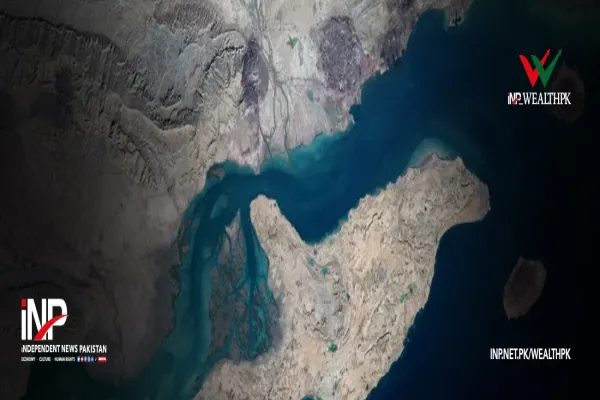
Rising tensions in the Middle East, particularly around the Strait of Hormuz, are pushing up shipping charges and war-risk insurance premiums, which may keep Pakistan’s import costs under pressure, increasing inflation risks and straining the external account.
The risk now extends beyond benchmark oil prices. With tensions in the Middle East exposing the Strait of Hormuz to potential disruption, Pakistan faces a broader cost challenge. A large share of its oil and LNG imports moves through Gulf shipping routes, making transport and insurance costs increasingly important.
This vulnerability has gained urgency after the government raised fuel prices by Rs55 per litre, pushing petrol to Rs321.17 and diesel to Rs335.86. The increase is expected to feed into transport costs and consumer prices. As a result, the key concern is no longer just fuel prices, but the overall cost of importing and delivering energy.
According to documents available with Wealth Pakistan, the Pakistan Banks Association’s March 2026 report, Macroeconomic and Banking Sector Implications of the Iran-GCC Conflict for Pakistan, highlights that the country’s exposure stems from higher energy import costs, pressure on the external balance, and inflationary spillovers.
The report notes that petroleum imports account for nearly one-fifth of Pakistan’s total import bill. It estimates that sustained increases in global oil prices could raise the annual petroleum import bill by $1.4 billion to $4.7 billion. Even partial disruption to regional shipping routes can push up oil prices, freight rates, and insurance premiums.
The pressure also extends to financial flows. Based on FY25 trade patterns, Pakistan’s banking sector carries an estimated $9–22 billion exposure to trade finance at any given time. Disruptions in shipping, coupled with higher commodity prices and exchange rate volatility, could affect trade financing activity and liquidity conditions.
Remittance inflows present another channel of risk. During July-January FY26, Pakistan received around $23.2 billion in remittances, with Gulf countries contributing 53.6 percent. Prolonged regional instability could therefore impact external-sector stability through both trade and remittance channels.
A similar assessment is presented in the Islamabad Policy Research Institute’s policy brief, Strategic Risk Assessment: Strait of Hormuz Disruption and Pakistan’s Energy Exposure. The brief highlights Pakistan’s structural dependence on imported fuels routed through the Persian Gulf.
It states that crude oil meets around 85 percent of domestic consumption, while LNG accounts for about 35–40 percent of gas supply, much of it sourced from Qatar. Even when shipments continue, the landed cost of energy can rise sharply due to higher freight charges, war-risk insurance premiums, and shipping delays.
Speaking with Wealth Pakistan, Dr Abid Qaiyum Suleri, Executive Director of the Sustainable Development Policy Institute, said the situation represents a multi-layered shock. “The threat is serious because the war is not only an oil shock but also a freight, insurance, and logistics shock.”
He noted that Gulf war-risk premiums have surged significantly in some cases, while shipping routes are being adjusted, increasing transit times and costs. Emergency fuel surcharges are also adding to import expenses.
He said the timing is particularly sensitive. “Pakistan’s goods imports were already $41.8 billion and the current account deficit $0.7 billion in Jul-Feb FY26, so even a modest rise in freight and fuel costs can worsen the external balance.”
Highlighting inflation risks, he added that oil and supply disruptions are a key driver of persistent price pressures. With the transport sector accounting for around 80 percent of petroleum consumption, higher fuel prices quickly pass through to freight, food, and consumer goods.
Ali Najib, Deputy Head of Trading at Arif Habib Limited, told Wealth Pakistan that the recent easing in tensions offers only limited relief. “Risks to freight costs and oil prices remain elevated, posing challenges for Pakistan’s import bill, inflation outlook, and external account stability.”
He said a sustained rise in energy costs could widen the current account deficit and revive inflationary pressures. To mitigate these risks, he emphasised the need for prudent energy hedging, adequate foreign exchange buffers, and rationalised imports.
He also highlighted the importance of targeted support for vulnerable groups, improved supply chain management, and structural reforms to enhance exports and productivity.
The policy brief notes that Pakistan’s total liquid foreign exchange reserves stood at about $21.4 billion in late February 2026, including around $16.3 billion held by the State Bank of Pakistan. However, it cautions that reserves provide only limited protection in the event of prolonged disruption.
For Pakistan, the broader lesson is clear: uncertainty in Gulf shipping routes has itself become a significant economic risk. Sustained pressure on freight and insurance costs underscores the need to diversify energy supply chains, strengthen trade resilience, and improve macroeconomic management to cushion future shocks.
Credit: INP-WealthPk
Related News