


i INP-WEALTHPK
Pakistan’s textile raw material exports fall 3.4% as cotton weakness persistsBreaking
September 25, 2026
By Farooq Awan
Pakistan’s exports of textile raw materials and intermediate products declined 3.4% to $3.03 billion in FY2025-26, extending a multi-year weakening trend in the upstream textile sector, with cotton, man-made fibres and several fabric categories recording lower earnings.
According to the Pakistan Textile Council’s Annual Export Performance Report: Pakistan’s Textile & Apparel Exports FY26, available with Wealth Pakistan, exports under textile Chapters 50-60 fell from $3.133 billion in FY2024-25 to $3.026 billion in FY2025-26.
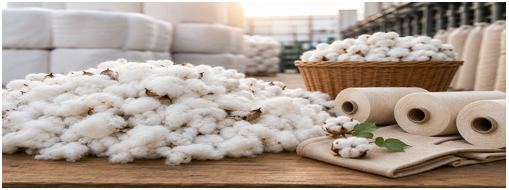
Cotton remained by far the largest component of the upstream export basket, accounting for more than 80% of raw material and intermediate exports. Cotton exports declined 1.5% to $2.486 billion, compared with $2.524 billion in the preceding fiscal year.
The weakness extended across several other categories. Exports of man-made staple fibres fell 8.8% to $337.3 million, while man-made filaments declined 26.2% to $50.1 million.
Carpets and other textile floor coverings dropped 19.8% to $45.8 million, while knitted or crocheted fabrics declined 20.7% to $35.7 million. Exports of other vegetable textile fibres fell 34.2%, the steepest decline among the major upstream categories listed in the report.
Only a few categories registered growth. Special woven fabrics, tufted textile fabrics, lace and tapestries increased 15.3% to $46.3 million, while wool and other animal-hair products rose 10.8% to $2.4 million, although the latter remained a very small component of the export basket.
The decline in upstream exports contrasts with the performance of Pakistan’s value-added textile industry. Value-added apparel and home textile exports increased 1.1% to $14.98 billion, while their share of total textile and apparel exports reached 83.2%, up from 77% in FY2021-22. Raw materials and intermediates now account for only 16.8% of textile exports.
The Pakistan Textile Council also identified problems in the domestic cotton base as a major concern for the upstream industry.
According to industry insights contained in the report, some exporters are substituting locally grown cotton with imported varieties to meet stringent specifications regarding fibre type, moisture content, and thread count. The report cites industry feedback indicating that some companies are using around 50% imported cotton against 35-40% locally produced cotton, pointing to concerns over domestic cotton quality specifications.
The weakness in upstream production comes at a time when demand for Pakistani raw materials remains important in regional markets.
China imported $644 million worth of Pakistani textile products in FY2025-26, with cotton yarn forming the bulk of the trade. Two major cotton yarn categories recorded increases of 33.2% and 20.3%, respectively, while exports of one category of unbleached cotton woven fabric more than doubled.
Bangladesh, another major market for Pakistan’s upstream textile products, imported $620 million during the year, primarily comprising cotton yarn and denim and woven fabrics. Cotton denim alone generated $334.9 million, an increase of 6%.
The council said strengthening the domestic cotton base would be essential to improving the competitiveness of the textile value chain. Among its policy recommendations, it called for an integrated national cotton strategy covering seed quality, farmer digitisation and traceability.
The report identifies the declining domestic cotton base, along with energy costs, financing delivery gaps and shipping volatility, among the structural challenges facing Pakistan’s textile and apparel sector as it enters FY2026-27.
Credit: INP-WealthPk
Related News