


i INP-WEALTHPK
Energy sector leads foreign-funded development projectsBreaking
March 30, 2026
By Qudsia Bano
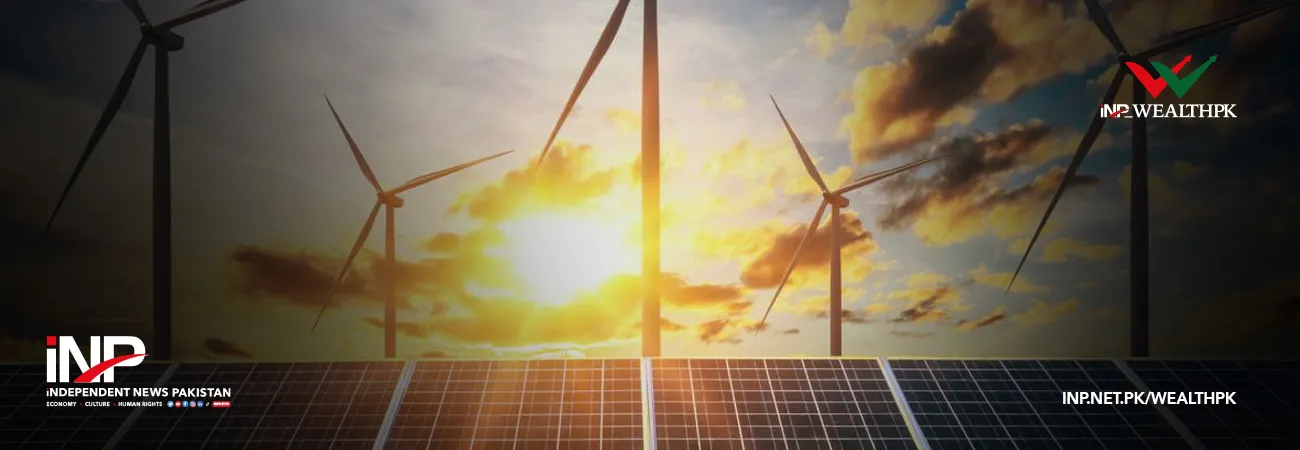
The energy sector accounted for a major share of foreign-funded development projects in Pakistan during the first eight months of the current fiscal year (FY26), with significant disbursements directed towards hydropower, transmission and power infrastructure, according to official data.
The Ministry of Economic Affairs’ latest report shows that a substantial portion of project financing was allocated to energy-related initiatives, particularly large-scale hydropower and electricity transmission projects being implemented across the country.
Among the key projects, the Dasu Hydropower Project recorded disbursements of about $22.17 million under IDA financing during the period, while additional financing for transmission lines associated with the project reached approximately $89.82 million.
The Tarbela hydropower projects also remained a major recipient of foreign assistance. Disbursements for Tarbela 4th Extension reached around $42.08 million, while Tarbela 5th Extension received approximately $37.04 million during July–February FY26.
Similarly, the Mohmand Dam Hydropower Project received combined disbursements from multiple sources, including around $6.35 million from the Islamic Development Bank and approximately $6.50 million from Saudi financing, reflecting continued progress on the project.
In the transmission segment, significant inflows were recorded for projects aimed at strengthening the national grid. Disbursements for the Dasu transmission line project stood at around $89.82 million, while the Electricity Distribution Efficiency Improvement Project received approximately $9.18 million.
Multiple projects under the Power Transmission Enhancement Investment Programme also received funding during the period, including disbursements of about $33.41 million and $14.45 million for different phases of the programme.
In addition, energy-related financing extended to petroleum import support through external facilities. Under the Saudi oil facility, disbursements reached $800 million during the period, supporting crude oil and petroleum imports.
The data shows that energy projects received financing from a mix of multilateral and bilateral partners, including the World Bank, Asian Development Bank, Islamic Development Bank, Saudi Arabia, and others. These inflows were largely in the form of loans, reflecting the capital-intensive nature of energy infrastructure projects.
Overall, the concentration of foreign assistance in the energy sector highlights its central role in Pakistan’s development priorities, with continued funding directed towards expanding power generation capacity, strengthening transmission systems and supporting energy supply requirements.
Credit: INP-WealthPk
Related News