


i BLOGS
Trump Launches “Board of Peace” at Davos: What It Is and Why It MattersBreaking
January 23, 2026
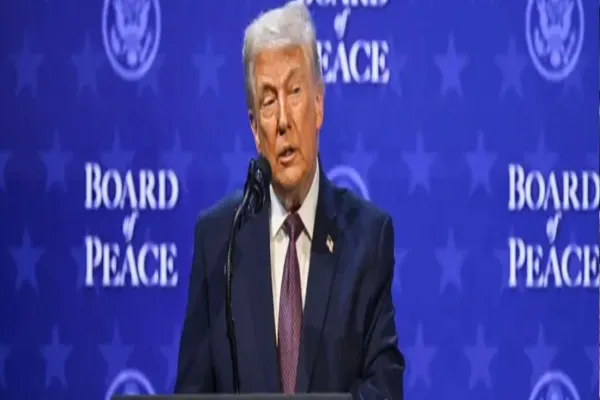
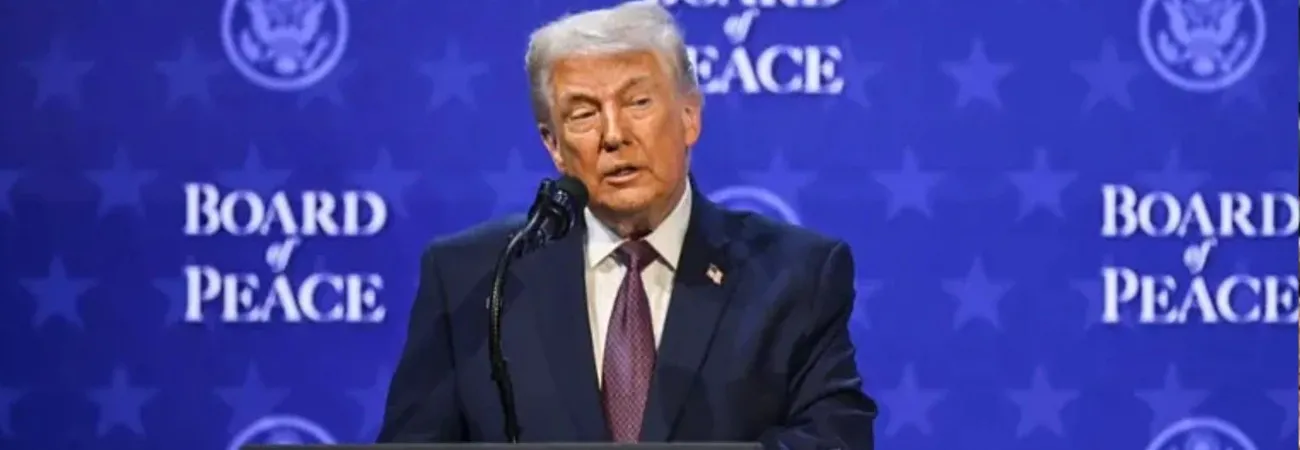
US President Donald Trump has launched a new international body called the “Board of Peace” during the World Economic Forum meeting in Davos. The idea, according to Trump, is to help resolve global conflicts, starting with the war in Gaza. Trump described the board as a powerful new framework that would work alongside the United Nations, although many observers are questioning whether it could eventually challenge the UN’s role.
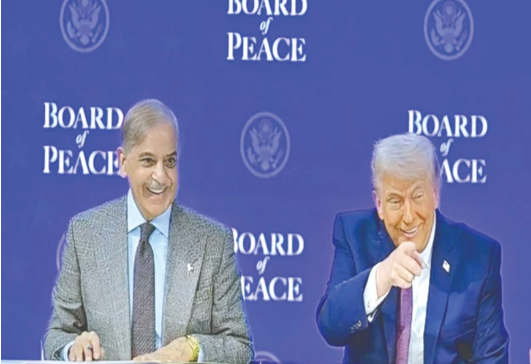
Several leaders and senior officials from 19 countries attended the signing ceremony and put their names on the board’s founding charter. Among them were countries known to have close political ties with Trump, including Argentina and Hungary. Pakistan also signed the charter, joining the board as part of its continued support for efforts aimed at implementing the Gaza Peace Plan. Prime Minister Shehbaz Sharif signed the document on Pakistan’s behalf during the ceremony.
Pakistan was one of eight Muslim-majority countries that announced their participation in the board. Other countries included Saudi Arabia, Türkiye, Qatar, Egypt, Jordan, the UAE, and Indonesia. Pakistan said it hopes the creation of this platform will lead to a permanent ceasefire in Gaza, increased humanitarian aid for Palestinians, and the reconstruction of the war-torn area. Pakistan also reiterated its long-standing position that these efforts should ultimately lead to the establishment of an independent Palestinian state based on pre-1967 borders, with Al-Quds Al-Sharif as its capital.
Trump, who named himself chairman of the Board of Peace, said that “everybody” wants to be part of the initiative. He claimed that his administration had helped stop eight wars within ten months, including preventing a conflict between nuclear-armed Pakistan and India. Trump added that once the board is fully formed, it would have significant authority to act on global conflicts, and that it would coordinate its work with the United Nations, which he said has “tremendous potential.”
However, the initiative has already sparked controversy. Permanent members of the board are required to pay a $1 billion membership fee, leading critics to argue that the board could become an exclusive club where influence depends on money rather than diplomacy. Concerns have also been raised after Trump invited Russian President Vladimir Putin to join, despite Russia’s ongoing war in Ukraine. While Trump said Putin had agreed, the Russian president later stated he was still reviewing the invitation.
Some key US allies have shown clear doubts. The United Kingdom and France declined to attend the signing ceremony, signalling doubts about the board’s purpose and structure. Israeli Prime Minister Benjamin Netanyahu has said he would join the board but did not attend the event. Netanyahu is currently facing an International Criminal Court arrest warrant related to the war in Gaza.
During the ceremony, Trump also warned that Hamas must disarm in the next phase of the Gaza ceasefire or face severe consequences. US Secretary of State Marco Rubio said the board’s focus would be ensuring that any peace agreement in Gaza becomes lasting and effective.
The launch of the Board of Peace comes at a time when Trump has repeatedly expressed frustration over not receiving the Nobel Peace Prize, despite his claims of helping resolve multiple conflicts. Whether this new body becomes a meaningful tool for peace or remains a controversial political project will depend on how it operates in practice and whether it delivers real results beyond high-profile announcements.
Credit: Independent News Pakistan (INP)
Related News