


i BLOGS
Petrol Subsidies Under Pressure: Ali Pervaiz Malik Warns Relief Cannot Continue UnconditionallyBreaking
October 05, 2026
Pakistan’s fuel crisis is forcing the government to confront a difficult question: how long can the state insulate consumers from soaring petrol prices without further squeezing the national economy?
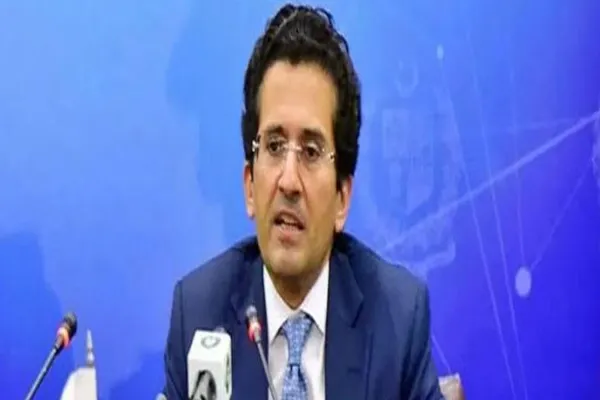
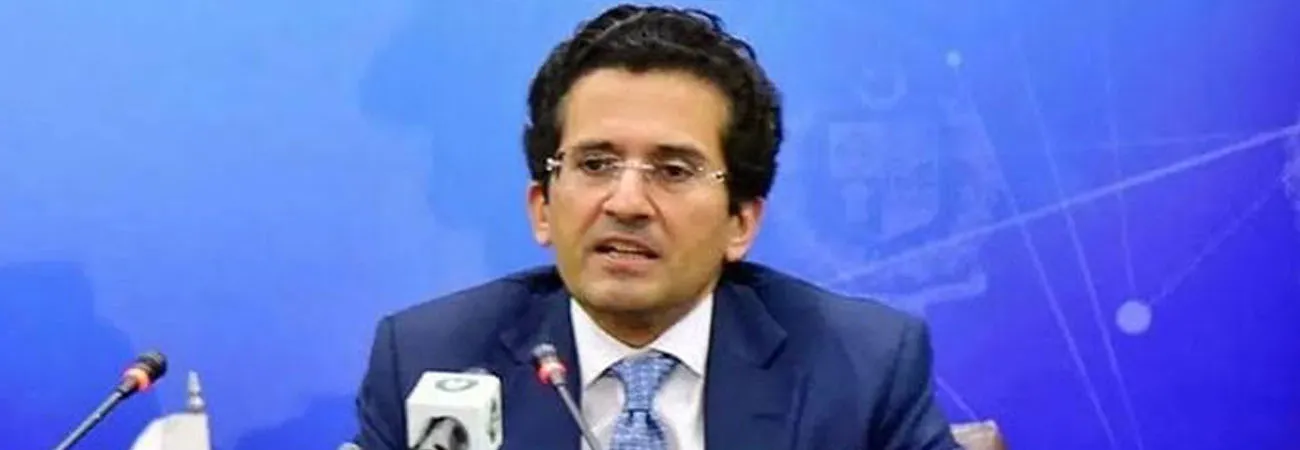
Federal Petroleum Minister Ali Pervaiz Malik has warned that the government cannot continue with the unconditional relief if the international oil prices stay high, saying any further spending would have to be made out of the available resources. He was also recently quoted in reporting warning Pakistan against repeating the economic difficulties associated with the subsidy policies of 2022.
But the government’s current plan is not to scrap fuel relief entirely. Instead, Islamabad has turned to targeted subsidies for low-income consumers. Under the Prime Minister’s Fuel Relief Scheme approved by the Economic Coordination Committee, motorcycles, rickshaws and other two- and three-wheelers can get Rs 500 per week while eligible cars up to 800cc can get Rs 1,000 for ten days.
Malik has previously said targeted subsidies were the way forward, saying government support should be targeted at those who need it most and not fuel consumption across the board.
At the same time, Pakistan is still vulnerable to global oil-market volatility. The Petroleum Division has been working on reforms to pricing and has talked about moving to a more market-based system, while protecting consumers from excessive price shocks.
The message from Islamabad is getting louder: relief may continue, but blanket subsidies are getting harder to sustain.
Credit: Independent News Pakistan (INP)
Related News