


i BLOGS

Ali Pervaiz Malik Says “Govt May Absorb Future Oil Price Increases to Ease Public Burden “Breaking
March 11, 2026
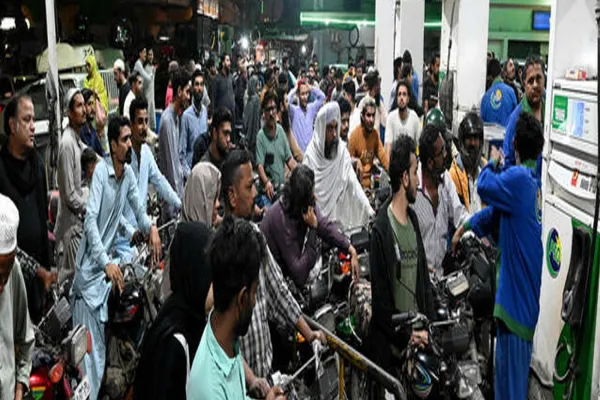
The recent increase in petrol prices in Pakistan has become a major concern for citizens. The government recently raised petrol and diesel prices by around Rs55 per litre due to rising international oil prices and instability in the Middle East. However, Petroleum Minister Ali Pervaiz Malik has stated that the government will try to prevent further increases and protect the public from additional financial pressure.
The current fuel crisis is mainly linked to the conflict in the Middle East and disruptions in global oil supply routes. One of the biggest issues is the closure of the Strait of Hormuz, which is one of the world’s most important oil transit passages. Experts report that nearly one-fifth of the world’s oil supply passes through this narrow waterway, meaning any disruption can immediately affect global fuel prices and energy markets.
Due to the conflict, shipping companies and energy markets have experienced significant uncertainty. Oil shipments have slowed down, insurance costs for tankers have increased, and international oil prices have fluctuated sharply. Analysts say that global crude prices may remain high for some time because supply routes are still unstable and producers are struggling to maintain normal exports.
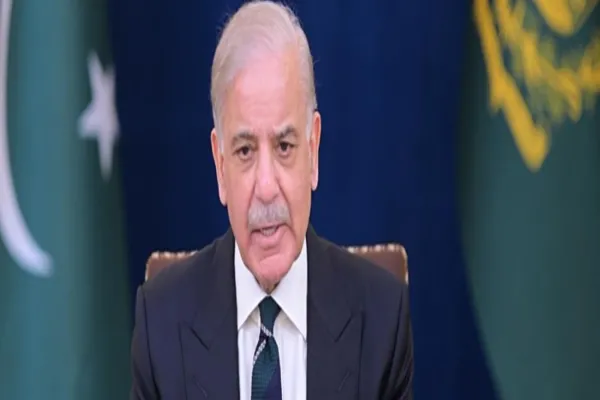
In Pakistan, Prime Minister Shehbaz Sharif has announced austerity measures to manage the situation. The government plans to absorb some of the future increases through budget adjustments, conservation policies, and possible taxation changes. Officials have also reassured the public that fuel supply will remain stable for now, as Pakistan currently has limited reserves and recently received additional gas shipments.
Although the situation remains uncertain, the government believes that careful planning and responsible energy management can help Pakistan navigate this crisis. Experts also stress the importance of building energy reserves and exploring alternative supply routes to reduce dependence on vulnerable global shipping channels in the future.
Credit: Independent News Pakistan (INP)
Related News