i BLOGS
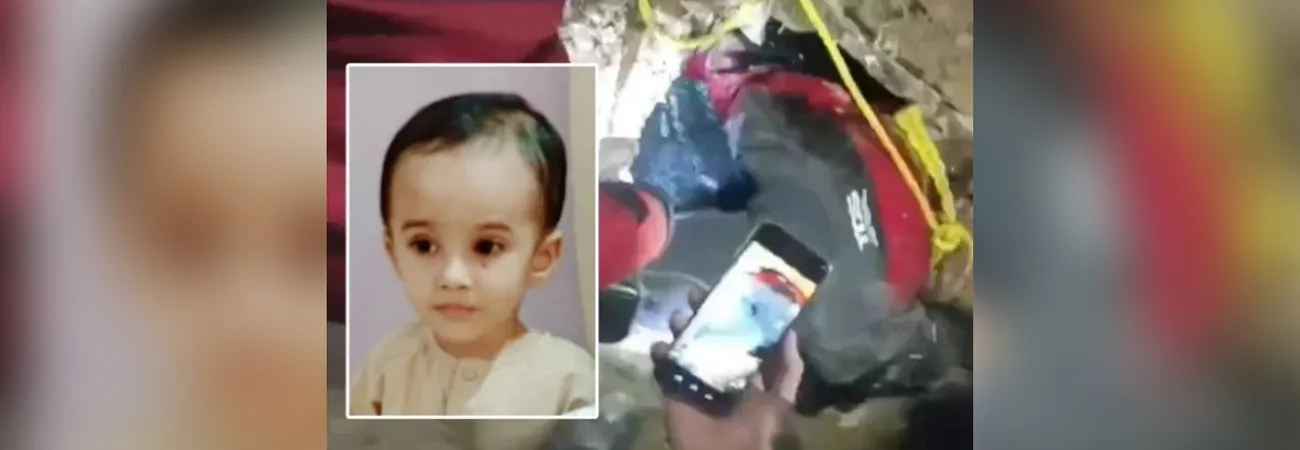
Three-Year-Old Ibrahim Lost Forever — Father promise to cover every manhole in KarachiBreaking
December 03, 2025
Karachi — called as the City of Lights — has tragically dimmed into a city of darkness, where human life seems to hold little value. Every other day, incidents occur that shake the heart, yet nothing seems to move those in power.
One such heartbreaking tragedy is the case of three-year-old Ibrahim. He had come with his parents for a simple shopping trip on a Sunday night, in what is considered one of the “better” areas of Karachi — Gulshan-e-Iqbal. That innocent child fell into an open manhole, and after almost 15 agonizing hours, his dead body was found.
Just three years old — with an entire life ahead of him, countless dreams yet to bloom — everything ended in a single, devastating moment.
Residents say that for a long time, no one came for rescue. Only after persistent shouting and pressure from the neighbourhood did rescue teams arrive and begin a search operation. Nearly 15 hours later, a young volunteer finally discovered Ibrahim’s body.
Ibrahim is not the first child to lose his life after falling into a manhole. Shockingly, this year alone, 23 people have died after falling into open manholes in Karachi. In September, three sanitation workers died while cleaning a manhole in the Usmanabad neighbourhood. In May, a six-year-old child fell into a manhole and never came out alive. In April, the body of a young girl, who had been reported missing, was recovered from a drain in Liaquatabad.
Mayor Orders Inquiry, Urges Public Not to Politicize Tragedy
Karachi’s mayor, Murtaza Wahab, while speaking to the media, stated that an inquiry would be conducted into the incident. However, he urged people not to link every tragedy with politics. He assured that the inquiry would determine how long that manhole had been left open — right in the middle of the city, near a major departmental store visited by thousands of people every day.
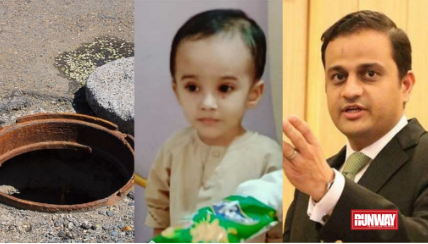
“How it was open or was it left open at that time...this will be checked. This is very unfortunate. I will refrain from political rhetoric, but I will say once and for all that we will have to decide whether we will focus on assigning blame or actually try to find solutions to people’s problems.”
“If there was carelessness on the part of government. I assure you we will take action,” he said.
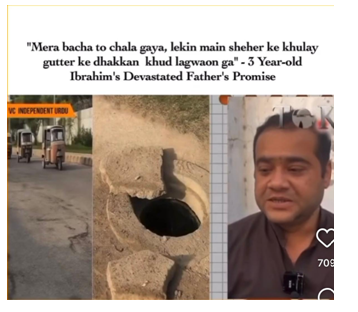
Ibrahim’s father said, “My child is gone, but I will make sure the manholes in this city are covered.” Living with this grief is a lifelong test for the family. Ibrahim’s grandfather pleaded, “For God’s sake, pay attention to Karachi. Today a mother is grieving — tomorrow it could be someone else’s. No mother should suffer like this.”
But the heartbreaking question remains: Is there anyone who truly understands their pain? Will the cries of these mothers ever reach the government? Will anything actually be done to protect the people of Karachi, or will mothers continue to watch their children die like this?
Credit: Independent News Pakistan (INP)
Related News