



i BLOGS
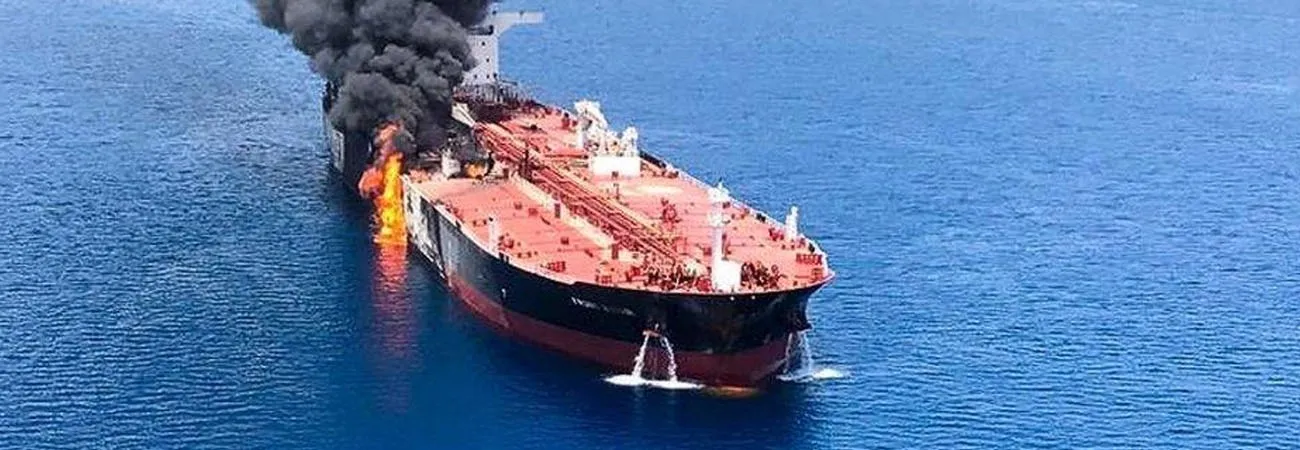
Strait of Hormuz Turns Black: Oil Spills Coat Iranian Islands After Tanker AttackBreaking
August 12, 2026
The Strait of Hormuz is more than a geopolitical choke point, it is a lifeline for the global energy and a fragile marine ecosystem that is now under an increasing environmental threat.
Iranian Islands Hit by Oil Spills After Attacks on Commercial Tankers, Raising Environmental Concerns as Conflict Grows Reports cite videos and satellite images of oil slicks spreading along coastlines, coating beaches and threatening marine life, including turtles, sea birds and reefs of coral.
It comes as tanker traffic thru the strategic waterway has been badly disrupted. Crude oil exports through the Strait have reportedly fallen from around 8.5 million barrels per day to 2.2 million barrels per day, highlighting how quickly conflict in the region can affect global energy supplies.
But beyond the numbers is another crisis that may last long after the fighting has ended.
Coastal habitats can be contaminated by oil spills, marine life harmed, and ecosystems upset that may take years to recover. Petroleum products are particularly harmful to sensitive environments such as reefs of coral, and particularly so over the long term.
Now the question is not “Who is behind the attacks?” It’s also how much environmental damage will be left after the war?
As diplomatic efforts focus on restoring safe passage through the Strait, environmental protection must also become part of the conversation. The waters of Hormuz are not the property of one side in the conflict, and the effects of pollution will not be limited to borders.
The question that remains: When the guns are silent who will scrub the sea?
Credit: Independent News Pakistan (INP)
Related News