


i BLOGS

Crypto Legalization: A New Engine for Pakistan’s Economic GrowthBreaking
November 18, 2025
For the past decade, many countries around the world have taken significant steps toward adopting digital assets. Yet some nations—like Pakistan—have continued to lag. With more than 20 million active users and a highly tech-savvy youth population, the real question is no longer whether Pakistan will embrace cryptocurrency, but how this transition should happen.
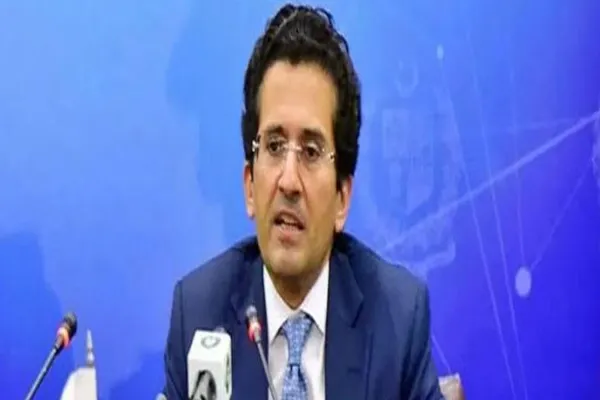
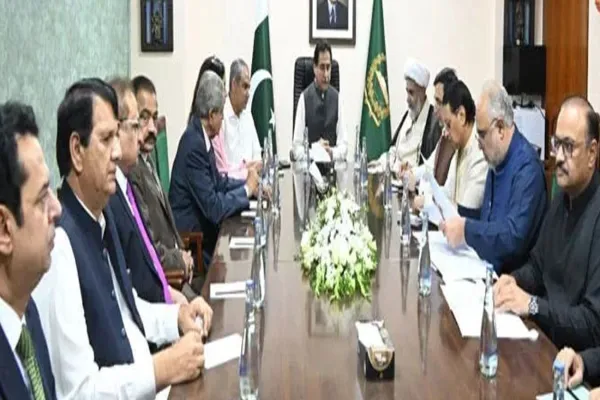
Recently Pakistan has begun moving in the right direction. The government has finally shown interest in this fast-growing innovation. In February 2025, the Government of Pakistan established the Pakistan Crypto Council (PCC) to design and guide the country’s national strategy on cryptocurrency. Bilal Saqib was appointed as the council’s CEO and was later elevated to the position of Special Assistant to the Prime Minister on Blockchain and Cryptocurrency.
These developments signal that Pakistan may finally be preparing for a major shift toward digital assets.
The PCC made some big announcements:
- allocating 2,000 megawatts of electricity for crypto mining,
- forming the Pakistan Digital Assets Authority,
- and appointing an international advisory firm.
But behind the big statements, there are no actual rules, policies, or legal frameworks yet. For four months, no white papers, public consultations, or expert discussions have been released.
Crypto adoption in Pakistan is growing at a remarkable pace. With over 20 million active users, the country’s grassroots participation is among the highest in the world. Freelancers are increasingly turning to USDT to receive fast, hassle-free cross-border payments, while retail traders depend on peer-to-peer platforms like Binance and OKX to access global markets that are otherwise restricted by local banking limitations.
However, there was no real clarity from the beginning, and people remained confused about what the government’s actual plan was. The situation became even more complicated when Bilal Saqib announced at the Bitcoin 2025 Conference in Las Vegas that Pakistan intended to create a government-owned Bitcoin Strategic Reserve. This statement shocked many observers, as such a reserve would be extremely risky, especially considering how highly volatile Bitcoin is. The IMF does not recognize cryptocurrency as reserve assets or legal tender, complicating any alignment with sovereign commitments.
How Pakistan can get it right
If Pakistan adopts cryptocurrency without proper regulations, the consequences could be serious. The value of the rupee could fall, leading to a level of inflation the government may no longer be able to control. People might start using decentralized crypto systems instead of traditional banks, which could destabilize the entire financial system.
But at the same time, if Pakistan refuses to embrace this rapidly growing innovation, it risks falling far behind the rest of the world. The balanced and safer approach is to treat cryptocurrency as a digital asset, not as a legal currency. This protects the State Bank of Pakistan’s authority while still allowing space for innovation and technological growth.
To keep people’s investments safe and protect them from scams, Pakistan needs to build a properly regulated system. In this framework, only licensed exchanges, wallets, and custodians would be allowed to operate, all under the strict supervision of the SECP and SBP. With the right framework, Pakistan can safely develop a strong, innovative digital economy.
Credit: Independent News Pakistan (INP)
Related News