i BLOGS
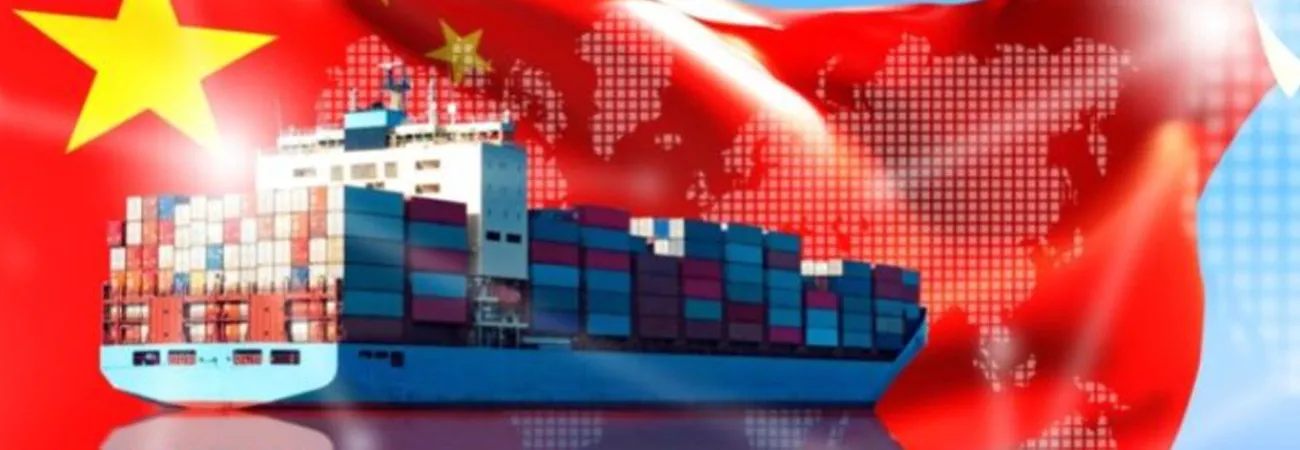
China’s Global Trade Tsunami: How the World is RespondingBreaking
November 17, 2025
China is currently dominating the global marketplace, powered by its massive labor force and its ability to produce almost everything — from needles to trucks — all stamped “Made in China.” This rise has made many other powerful nations uneasy. A country like the United States, long seen as the “king” of global influence, would never want China to have such a strong presence in every corner of the world.
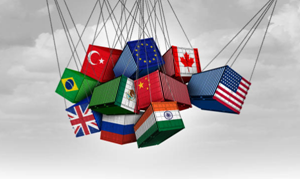
That’s why not only the US, but many other countries have started pushing back China. They worry that their markets are being flooded with cheap Chinese goods, creating an imbalance and threatening their own industries. As China’s economic reach continues to expand, these nations are increasingly determined to protect their markets and maintain their own influence in the global trade system. US and India, as well as Mexico and Brazil, together raising 79 anti-dumping and countervailing probes against Chinese goods in the first half of this year That’s a lot more than before 2024.
Some Latin American countries are worried that even when Chinese companies invest there, they mostly set up simple assembly operations and don’t bring any advanced technology or meaningful knowledge transfer. “Deindustrialization is a big problem when Chinese companies start to invest … because they bring just the assembly, they don’t do technology and knowledge transfer,” said Diego Rodriguez, logistics and industrial practice leader at Americas Market Intelligence.
And if we look at Southeast Asia, it feels as if Chinese goods are hitting these countries like a “tsunami,” flooding their markets at an overwhelming pace. We feel as if we are being swamped. “I remember one economy saying a ‘tsunami of Chinese goods coming into ASEAN.’ Of course that’s a concern to us,” said Sta Maria, now the director of the Institute for Democracy and Economic Affairs in Kuala Lumpur. But there’s also a benefit: local small businesses can buy high-quality Chinese parts to improve their own products. China knows these concerns exist, and now the question is how to manage the flow of goods fairly.
Africa’s situation is a bit different, because the continent isn’t as wealthy and needs affordable Chinese products — like solar panels — to help address its massive electricity shortages. That’s why many African countries openly welcome Chinese goods; they benefit from the low prices, and China benefits from finding a market for its products.
However, Beijing denies that it is overwhelming foreign markets with its products. Instead, Chinese officials have used the trade tensions sparked by Trump to present China as a dependable global trading partner. They also promise to further open China’s huge market to international exporters and investors.
Credit: Independent News Pakistan (INP)
Related News