



INP-WealthPk
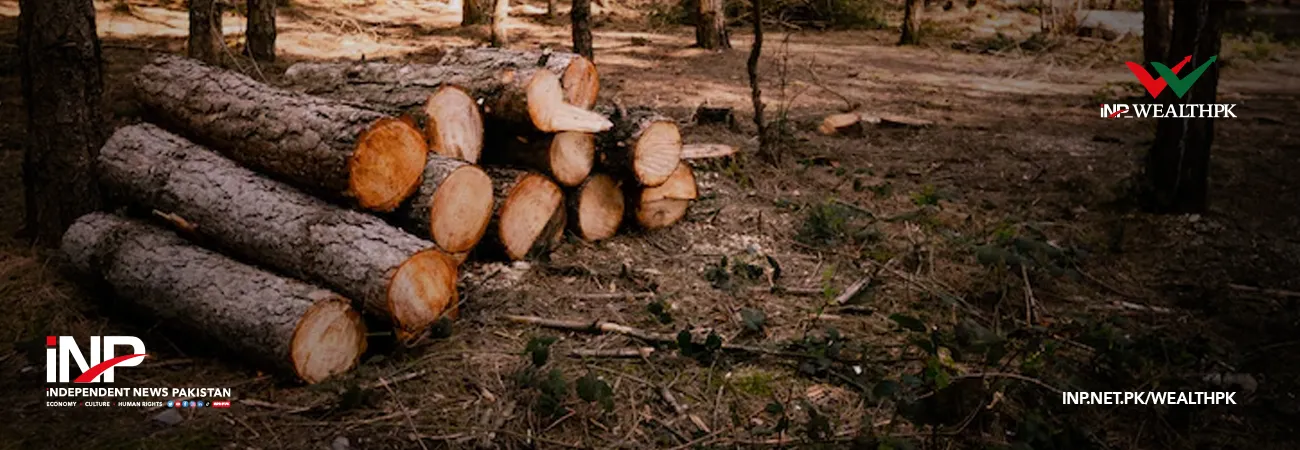
Use of firewood as energy source returns to Pakistan’s industrial sector
April 09, 2026
By Muhammad Luqman
The use of firewood as an energy source is making a comeback in Pakistan’s industrial sector, particularly in Punjab, as rising energy costs and supply disruptions are forcing industries to seek alternatives.
Piles of firewood and coal have become a common sight outside textile processing units in Lahore, Faisalabad, and other industrial hubs. This shift follows the suspension of LPG and LNG imports after the outbreak of the war in the Middle East.
“The boilers of industrial units that previously ran on LPG or natural gas are now dependent on coal and firewood, significantly increasing production costs,” said Mohsin Aftab, Secretary of the All-Pakistan Textile Processing Mills Association (APTPMA).
Common firewood species in Punjab include kikar, shisham, eucalyptus, siris, poplar, mulberry, jand, and various shrubs.
Talking to Wealth Pakistan, Aftab said the association has repeatedly raised concerns with the government over escalating energy prices, particularly LPG, which is severely affecting the textile processing industry.
He noted that the Oil and Gas Regulatory Authority (OGRA) recently increased LPG prices by Rs78.28 per kg, raising the official rate to Rs304.12 per kg for April. “However, LPG is being sold in the market at around Rs450 per kg,” he added.
Aftab said that the surge in LPG prices is pushing industries toward alternative fuels like firewood and coal, which are not only costly but also environmentally harmful. He urged the government to review energy pricing policies and provide relief to protect exports and employment.
Other sectors, including bread and bakery manufacturers and traditional tandoors, are also reverting to firewood after relying on LPG and natural gas in recent years.
“Due to environmental concerns, we had stopped using firewood and switched to LPG. But LPG prices have increased by 50 per cent in just one and a half months,” said Muhammad Azam Chaudhary, chief executive of a bread manufacturing unit.
He added that rising LPG costs have significantly increased production expenses. “We prefer not to use firewood, as it blackens walls and ceilings and can lead to action by the Punjab Environment Protection Department,” he said.
Nanbais (roti and naan bakers) are also struggling. “Firewood now costs between Rs2,000 and Rs2,600 per 40kg, making it even more expensive than LPG and natural gas,” said Muhammad Aftab Aslam Gill, President of the Roti and Naan Association, Punjab.
Meanwhile, the growing demand for firewood has highlighted the need to expand tree cultivation in the province.
According to officials from the Punjab Forest Department, the total irrigated plantation area in Punjab and Sindh stands at 103,000 hectares, while farmland across Pakistan covers approximately 781,000 hectares. More than 90 per cent of fuelwood is sourced from trees grown on private farmland rather than natural forests.
A department spokesperson told Wealth Pakistan that the government is promoting firewood-producing tree species through linear plantation along roads, canals, and railway tracks. So far, such plantations have covered around 47,000 kilometres.
Key species under these initiatives include shisham, kikar, eucalyptus, siris, and simal.
The Punjab Forest Policy 2019 also promotes agroforestry, farm forestry, and public-private plantation models to increase forest cover and ensure a sustainable supply of wood resources.
Credit: INP-WealthPk