



INP-WealthPk
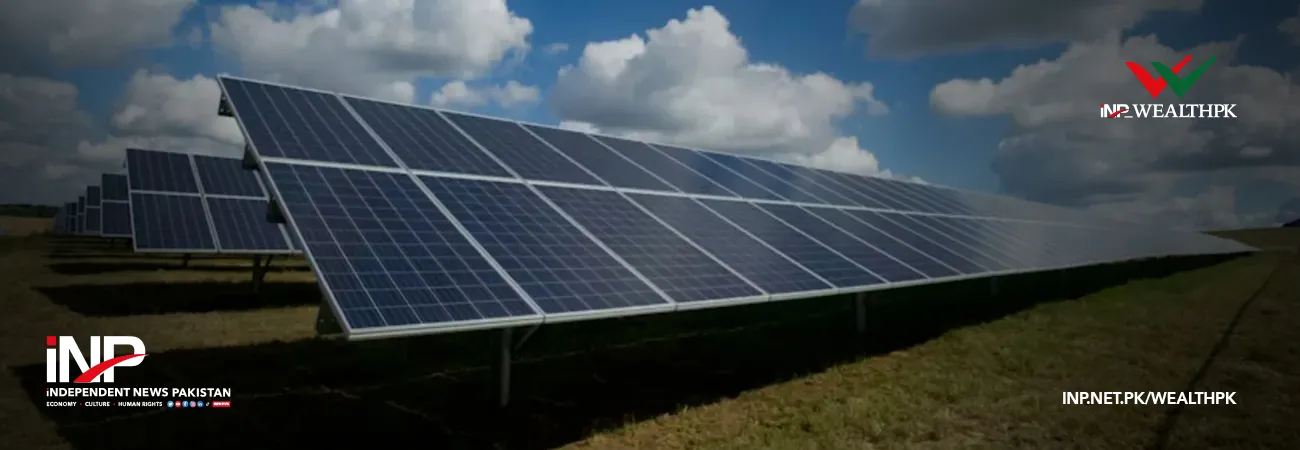
Sindh distributes over 170,000 solar kits, prioritises rural areas
January 26, 2026
Abdul Ghani
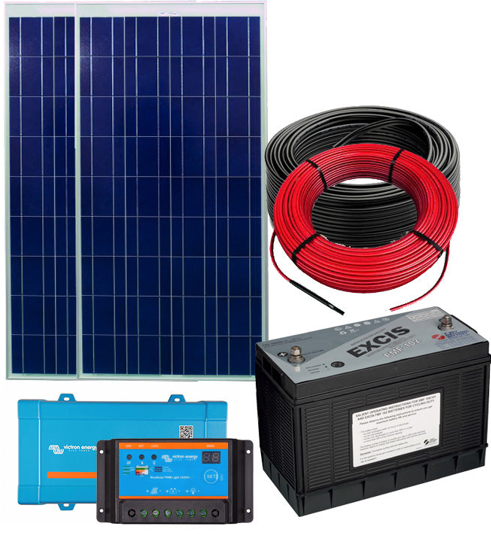
The Sindh government has completed the installation of 170,383 Solar Home Systems (SHS) across the province under the Sindh Solar Energy Project (SSEP), with the remaining installations to be carried out primarily in rural and underserved areas, according to official documents reviewed by Wealth Pakistan.
The documents, presented before the Senate Standing Committee on Economic Affairs, show that the project targets the distribution of 200,000 solar home systems across all 30 districts of Sindh, averaging about 6,666 kits per district, with beneficiaries selected through the Benazir Income Support Programme (BISP).
According to the latest project status shared with the committee, 191,794 beneficiary forms have been filled and approved, out of which 170,383 installations have been completed so far. Officials informed the committee that the project is operational in all 30 districts of the province.
The Sindh Solar Energy Project also includes the installation of solar systems on public-sector buildings and has been implemented in multiple phases, following procurement and implementation procedures approved by the donor agency and relevant government forums.
Senate committee records show that lawmakers repeatedly stressed the need for transparency, calling for the provision of district-wise beneficiary lists along with addresses, and emphasised that political affiliation should not be involved in beneficiary selection. Officials informed the committee that beneficiaries were selected strictly through BISP data.
The committee also directed the concerned departments to give priority to rural areas and villages, particularly in interior Sindh, instead of focusing on urban centres. In response, officials stated that the remaining installations would focus on remote and electricity-deprived regions.
The documents further indicate that scrutiny of beneficiary data led to the identification and removal of duplicate household entries, ensuring compliance with the project guideline of one solar home system per household. Following data cleansing, the verified beneficiary count fell short of the original target, prompting efforts to complete the remaining installations.
Lawmakers also sought assurances regarding proper utilisation of funds, warning that the donor agency would be informed in case of any failure to use allocated resources transparently.
The Senate Standing Committee noted that solar home systems provide a critical alternative energy source for low-income households, particularly in areas where access to grid electricity remains unreliable or unavailable. The project is expected to improve household energy access while supporting broader clean energy objectives in the province.
With installations continuing, officials said the Sindh Solar Energy Project remains on track to complete its approved target, with the remaining solar kits to be distributed in line with committee directives and verified beneficiary data.
Credit: INP-WealthPk