



INP-WealthPk

SBP expands PayPak, co-badging to cut FX outflows
April 20, 2026
By Abdul Ghani
The State Bank of Pakistan (SBP) is expanding the use of PayPak in a major step to strengthen the country’s indigenous payment ecosystem. The move also aims to reduce foreign exchange outflows linked to transaction processing fees paid to international service providers.
According to a document available with Wealth Pakistan, the central bank has directed the commercial banks to increase the issuance of PayPak cards for domestic transactions while enabling global usability through co-badging arrangements.
The central bank has been engaging with international payment schemes to operationalize co-badging of PayPak cards. Under this model, local transactions will be processed through PayPak, while international transactions will be routed via global networks such as Visa and MasterCard.
The development follows directions issued during a meeting of the Senate Standing Committee on Finance on September 24, 2025, advising the central bank to ensure that the commercial banks prioritize PayPak cards for local payments to curb reliance on foreign networks and ease pressure on the foreign exchange reserves.
According to the document, PayPak has already entered into co-badging arrangements with UnionPay and MasterCard, allowing cardholders to conduct both domestic and international transactions. More recently, Visa has also agreed to partner with PayPak, further expanding its global coverage.
The State Bank is now working to make co-badging mandatory for new and renewed debit cards. This would allow banks to issue either PayPak-only cards for local use or co-badged cards that combine PayPak with international schemes, ensuring wider acceptance while supporting foreign exchange savings.
The initiative is part of broader policy measures aimed at promoting financial sovereignty, encouraging digital payments, and minimizing external vulnerabilities in the country’s financial system.
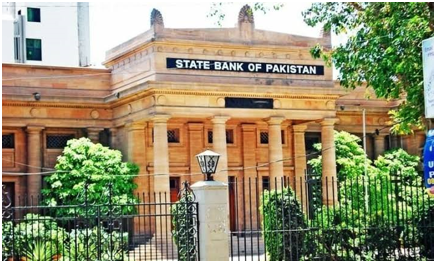
Credit: INP-WealthPk