


INP-WealthPk
PR’s rail gauge ensures operational safety, lowers transportation costs
February 23, 2026
Muhammad Faisal Kaleem
The standard international rail gauge used by the Pakistan Railways (PR) across its network has not only ensured operational safety and structural stability but also ensured seamless cross-border transport, lower transportation costs, and optimized infrastructure efficiency.
According to an official document available with Wealth Pakistan, international train networks normally have three gauges – standard gauge (1435mm), Russian gauge (1520mm), and broad gauge (1676mm).
The PR track is based on broad gauge, like in India, Sri Lanka, and Bangladesh, saving the shippers (consigner or the consignee) transshipment charges. However, in Iran’s case, transshipment is carried out at Zahidan due to a different gauge.
According to the document, the adoption of 1,676mm broad gauge by the PR plays a central role in ensuring operational safety, stability, and efficiency across its network.
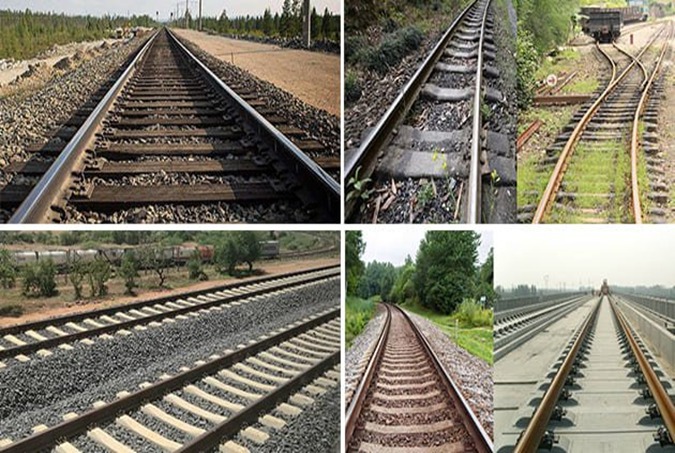
The gauge, defined as the distance between the inner sides of the two rails, directly affects how trains perform on the track. A wider gauge, such as the broad gauge, provides better balance and stability, particularly for heavy freight trains and high-capacity passenger coaches. This reduces the risk of derailments, especially at higher speeds or on curves.
One of the key benefits of the broad gauge is its ability to carry heavier loads. It allows for larger rolling stock and stronger locomotives, which increases the PR’s freight capacity and improves overall revenue potential.
It is particularly important for a country like Pakistan, where the railways plays a significant role in transporting bulk commodities such as wheat, coal, cement, and petroleum products.
The gauge system ensures a fixed and precise distance between the rails throughout the network. Strict engineering standards are followed during track-laying and maintenance to ensure uniformity. Even minor deviations in gauge width can lead to operational risks, making regular inspections and maintenance essential.
Credit: INP-WealthPk