



INP-WealthPk
Power capacity rises to 46,275 MW as renewable energy leads growth
June 23, 2026
By Ijaz Kakakhel
Pakistan’s power sector has recorded a significant expansion of 1,820.66 MW in generation capacity during the fiscal year 2025-26, with the total capacity reaching 46,275.36 MW.
According to official figures of the Power Division available with Wealth Pakistan, the country’s total installed capacity increased from 44,454.7 megawatts (MW) in July 2025 to 46,275.36 MW by June 2026, reflecting a net addition of 1,820.66 MW, with renewable energy emerging as the primary driver of growth.
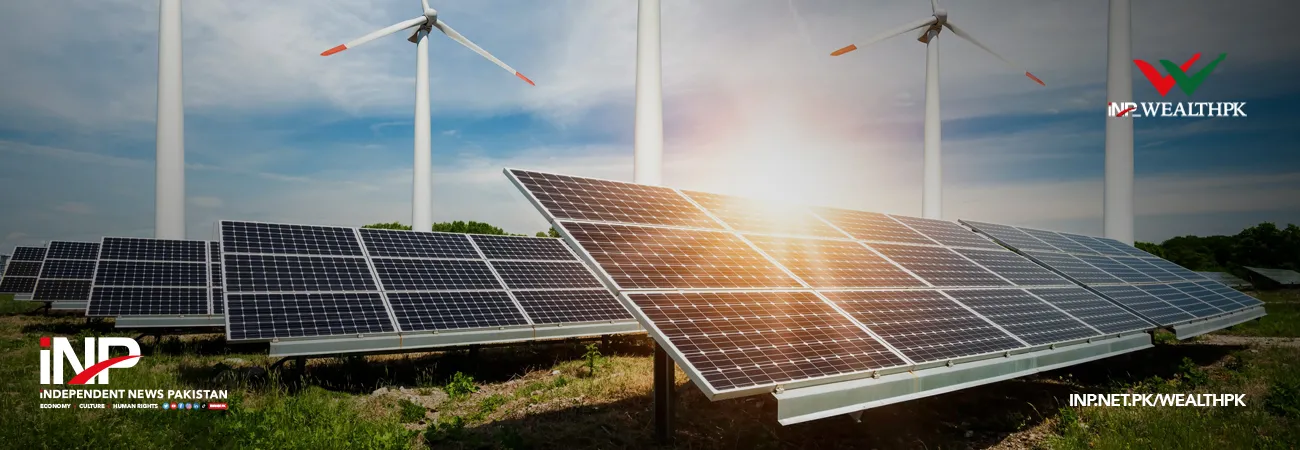
According to the latest data, most of the newly added capacity came from clean energy sources, underscoring the country’s gradual shift toward a more sustainable and diversified energy mix. Of the total additions made during the year, 1,663.44 MW were contributed through solar net-metering systems, while 157.22 MW came from hydropower projects.
The data revealed the rise in net-metering capacity as a strong indication of increasing consumer confidence in renewable technologies. The installed capacity under solar net-metering grew from 5,492.7 MW at the start of the fiscal year to 7,156.14 MW by June 2026. This substantial increase highlights the growing adoption of rooftop solar systems by households, commercial establishments, and industrial consumers seeking relief from rising electricity costs.
Hydropower also registered modest growth, with installed capacity increasing from 11,707 MW to 11,864.22 MW during the year. The data noted that hydropower remains a critical component of Pakistan’s long-term energy strategy due to its low operating costs and renewable nature.
In contrast, capacities of most conventional power generation sources remained unchanged during the period. Coal-fired generation maintained a capacity of 7,920 MW, including 3,300 MW from local coal projects and 4,620 MW from imported coal plants. Similarly, gas-based power generation stood at 3,422 MW, while RLNG-based plants retained a capacity of 6,973 MW.
Oil-fired generation continued at 2,515 MW, bagasse-based plants remained at 400 MW, and nuclear power capacity stayed stable at 3,530 MW. Wind power also showed no change, maintaining an installed capacity of 1,845 MW, while utility-scale solar projects remained at 650 MW.
The figures suggest that while large-scale thermal and conventional generation assets have largely reached a plateau, distributed renewable energy systems are becoming an increasingly important part of Pakistan’s electricity landscape.
The rapid expansion of net-metering demonstrates both the affordability of solar technology and the public’s desire for greater energy independence.
The increasing share of renewable energy is essential for reducing fuel import bills, improving energy security, and lowering carbon emissions. The latest capacity additions align with national efforts to encourage cleaner energy sources and reduce reliance on imported fossil fuels.
With total installed capacity now exceeding 46,000 MW, Pakistan’s power sector enters the next fiscal year with a stronger renewable energy footprint.
Credit: INP-WealthPk